Favorite Staff Reads of 2020

This has been a crazy year, to say the least, and during our time in quarantine, many of us have turned to books. Books have been both a source of enjoyment, a place of solace, and an escape from hectic times. Our staff writers have taken the time to reflect on books that were meaningful to them this year for all of these reasons and more. From fiction to nonfiction, old to new, there is something on this list for everyone. Everyone here at the Spellbinding Shelf wishes you a Happy New Year and (hopefully) a longer to-be-read list!


Staff Writer Rikki Tremblay

The Body Keeps the Score: Brain, Mind, and Body in the Healing of Trauma—Bessel van der Kolk. Dr. van der Kolk is a leading expert on trauma studies, and this book is a must-read for academics, professionals, and laypeople alike. You get a thorough and grounded definition and discussion of what trauma is—not just mentally, but physically, emotionally, and spiritually as well. Van der Kolk then covers various paths to recovery beyond just the orthodox approaches to trauma. You’ll learn how to use new techniques like eye movement desensitization and reprocessing (EMDR), acting, and yoga in the treatment of trauma.

As someone with cPTSD and recovering from past trauma myself, this book was such a gift. My copy of the book is heavily dog-eared, underlined, highlighted, and scribbled with notes, break-throughs, and revelations throughout. It’s not always an easy read because it will unearth ancient hurts and spark painful—but cathartic—connections at times. I’m happy to have read this book at the beginning of 2020 because I felt better prepared and equipped to survive the collective trauma we’ve all experienced the rest of the year!

Staff Writer Abhilasha Mandal

The Turn of the Screw—Henry James. This book is a horror novella published in 1898. It’s unique due to the psychoanalytical angle it takes on the main characters of the story—Miles, Flora and their governess. It is also largely open to interpretation.

Bly Manor, where they live, is haunted by two insidious spirits who seek to consume Miles and Flora. The governess learns of this and puts all her energy into protecting the children. But is what she’s seeing really there? There are several moments in the story that make you question the governess’s mental disposition. Also, even though she is very descriptive of her protective feelings for the children, some parts of her interactions with them suggest she is not disclosing her innermost feelings for them, especially the boy, Miles.

There is, in fact, much debate among scholars on the hidden meaning of this book. It has also received a lot of critique because it is suggestive of some things that are now inexcusable. But it is a gripping read, and it is best to read it and interpret it for yourself. The thrill doesn’t diminish upon rereading. I would recommend this book to anyone who likes psychological thrillers or gothic drama.


Staff Writer Melanie Wilson

The Alchemist—Paulo Coelho. My favorite book of 2020 has been The Alchemist by Paulo Coelho. I read it for the first time this year and I can understand why it’s a classic. My favorite quote from the book was “This is what we call love. When you are loved, you can do anything in creation. When you are loved, there’s no need at all to understand what’s happening, because everything happens within you.”


Staff Writer Lauren Kuhman

The Hobbit—J.R.R. Tolkien. There are a plethora of good books—all of which were strong contenders for the title of my favorite book of 2020. However, I think that J.R.R. Tolkien’s The Hobbit stands out the most. I have never really read any fantasy novels, and whenever I approached any of Tolkien’s most famous works I was offered a slew of positive, yet cautionary advice on how some of them are lengthy, uneventful reads. Nevertheless, I was (and am) determined to begin the adventure that is The Lord of the Rings series. Since I had never before read these books—or even really watched the movies—I thought it would be appropriate to start at the beginning. While I have yet to begin any of The Lord of the Rings books, I still loved The Hobbit. It was an engaging read that, while being classified as a children’s book, was as exciting and mysterious as any adult novel I’ve read. Additionally, as a novice fantasy reader, I thought it to be a good introduction to the genre and incited me to seek out similar novels. 2020 has been an absolute whirlwind of the year with travesty, drama, some thrills, and complete horrors, so having the ability to tumble down waterfalls in wine barrels was a welcome relief from the very unique and complicated year that has been 2020.

Staff Writer Jaycee Graffius

The Hitchhiker’s Guide to the Galaxy—Douglas Adams. This book had me laughing for days! I would sometimes have to put the book down and just giggle nonsensically at the matter-of-fact way in which the book would make absolutely absurd assertions. Each character was delightfully relatable, which is an impressive feat seeing as one of those characters was a hippie/former galactic president with five heads, and they each brought their own comedic flair to the story without feeling redundant. This book reminded me a lot of my favorite podcast, “Welcome to Night Vale,” which also uses absurdist humor to create a peculiar world. I’ve already purchased the entire series and cannot wait to explore the galaxy with my trusty towel!

Staff Writer Amanda Thomas

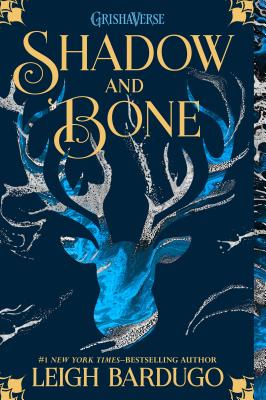
Shadow and Bone Trilogy—Leigh Bardugo. Young Adult Fantasy had always been my favorite genre, but when you’re deep into your English major, you learn to sample other genres like contemporary and speculative fiction, which leans towards more mature and controversial themes than fantasy and romance. Not to mention how monotonous the YA genre can get when there is a certain trope that authors tend to trend towards. It had been so long since I’d read a YA novel that when I came across this trilogy by Leigh Bardugo with the brilliant cover design, interesting titles, and intriguing summaries, I decided to give it a try. Let’s just say, this trilogy sparked my love of YA fantasy again. While it has its shortcomings, the introduction into the “Grishaverse” detailed a rich fantasy environment with political intrigue that truly felt engaging and unique. I was drawn into this world and fell in love with its characters and the structures of magic that were utilized. It has also inspired me to continue to read into this universe created by Bardugo as the stories and her writing has continued to improve. While I’m still thankful for being able to expand my horizons and read more “adult” types of fiction, reading YA feels like coming home to the type of reading and fantasy worlds that made me into the book lover I am today.


Staff Writer Sharon Enck

Weird Women: Classic Supernatural Fiction by Groundbreaking Female Writers: 1852-1923—Edited by Leslie S. Klinger and Lisa Morton. If Jane Austen and Edgar Allan Poe had a book-baby, it would be Weird Women: Classic Supernatural Fiction by Groundbreaking Female Writers: 1852-1923. It is my favorite read of 2020 because it mixes three of my literary loves: the horror genre, the short story, and narratives from a female perspective. Combining the beautiful turns of phrase a la Austen, with the spine tingling, teeth gnashing grittiness of Poe, Weird Women gives the reader lushly written tales of horror and the supernatural.

There is definitely something jolting about having topics like cruelty, murder, and loss being described as though they belong between the covers of Pride and Prejudice. And if you thought that Louisa May Alcott was only sugar and spice and everything Little Women, you would be deliciously wrong. I was pleasantly surprised to see that that particular author has a dark side as well as a heartwarming one. Among the distinguished list of female writers is Charlotte Perkins Gilman (yes, “The Yellow Wallpaper”) along with some new voices that I am thrilled to have discovered.


Communications Coordinator Roxanne Bingham

A Ballad of Songbirds and Snakes—Suzanne Collins. This is the prequel to The Hunger Games and I loved getting a look at the mind of President Snow. It was really interesting to see how much The Hunger Games had changed between his mentoring and the games we know. I love villain origin stories, and seeing exactly how he became a villain was so satisfying. I hope she writes more prequels of some kind because I want to know more! 


Managing Editor Jade Stanton

What We Owe To Each Other—T.M. Scanlon. This book provides a possible answer to some of the complex questions at the heart of morality and ethics: how should we judge whether an action is morally right and wrong? Why should we concern ourselves with morality in decision making? Scanlon posits that our conception of morality should be based upon what actions could not be reasonably rejected by others. In this way, what we owe to each other—and, by extension, our views of morality—are ever-evolving and depend on the specific circumstances of individual situations. 

Full disclosure: I heard of this book by watching The Good Place, which aired its fourth and final season this year. While I will caution readers that this is a very (very) dense read, I found the ideas it presents to be very relevant to 2020. Between the pandemic and the civil unrest we have seen this year, it’s hard to deny the importance of morality and decency in today’s world. My favorite thing about this book, however, is that it’s underlying assumption is that, by the very nature of our shared humanity, we owe each other something. To quote The Good Place’s Chidi Anagonye, “we choose to be good because of our bonds with other people and our innate desire to treat them with dignity. Simply put, we are not in this alone.” This sentiment, while always important, feels especially poignant given the turbulence of this year. While we may not know what next year holds, let this be the message we carry into 2021.


Editor-in-Chief Mackenzie King

Tess of the Road—Rachel Hartman. This is probably one of my favorite books of all time, not just 2020. It is set in the same fantastical universe as Hartman’s other books, Seraphina and Shadow Scale (which I also recommend!) but it follows the protagonist’s younger half-sister. It has the main features of any vaguely medieval fantasy novel, with dragons and kings and mistresses, but Hartman’s take on the genre is refreshing and unique. Fantasy has always been my favorite genre, so it was a breath of fresh air to read a fantasy novel that did not fall into the usual tropes. 

Tess is suffocating under the weight of her past “failures” and believes, in the words of her father, that she is “born bad.” Tess’s rebellious streak is highly relatable and her emotional responses draw you even further into the story. Even though I have not personally experienced all that she has, Hartman’s beautiful prose makes you completely understand the complexity of her character as she struggles to accept her past, her mind, and her body. All of the characters are remarkably human and real—even the non-human characters! The mystery of Tess’s past unfolds throughout the book, working through her traumas and disappointments until she eventually accepts them. I would have never thought a book about the main character simply travelling would be so compelling, but it is utterly fantastic! Also, the sequel, Tess of the Sea, will be released soon!

6 Bookish Crochet Projects to Snuggle With This Winter

Is there anything better than snuggling with a cup of hot cocoa, a good book, and a nice crochet project? I don’t think so. That’s why this winter I’ve found six incredible crochet projects for us crafty book nerds to enjoy. From cute plushies, to sweaters, to bookmarks, there’s a project here for any book lover this holiday season!

Mrs. Weasley’s Christmas Sweaters from Harry Potter. These adorable hand knitted sweaters were a yearly gift from Mrs. Weasley to her many children while they were away at Hogwarts. Just thinking about these sweaters and how loving Mrs. Weasley was throughout the series never fails to warm my heart, especially since they were the first gift Harry was ever given after years of neglect from the Dursleys. Now we can recreate the magic of these enchanting jumpers with this pattern from CrochetWithMeg on Etsy! This pattern also provides diagrams so that you can use any letter you want for the center design, so you too can make a sweater for each member of your family!


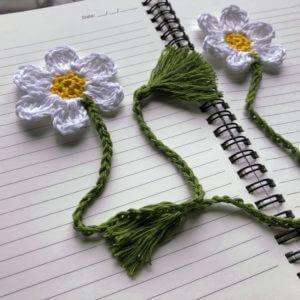
Flowery Bookmarks. While I often use anything from wrappers to receipts to mark my page in my books, sometimes it is nice to have a proper bookmark to hold my place. These pretty little bookmarks make it look as though a daisy is growing from between the covers! This free pattern by Aseem Creations guides the reader through making the flower, attaching the stem, and making the cute little tassel at the bottom. This pattern is perfect for a reader who is looking for a quick, practical project this winter.


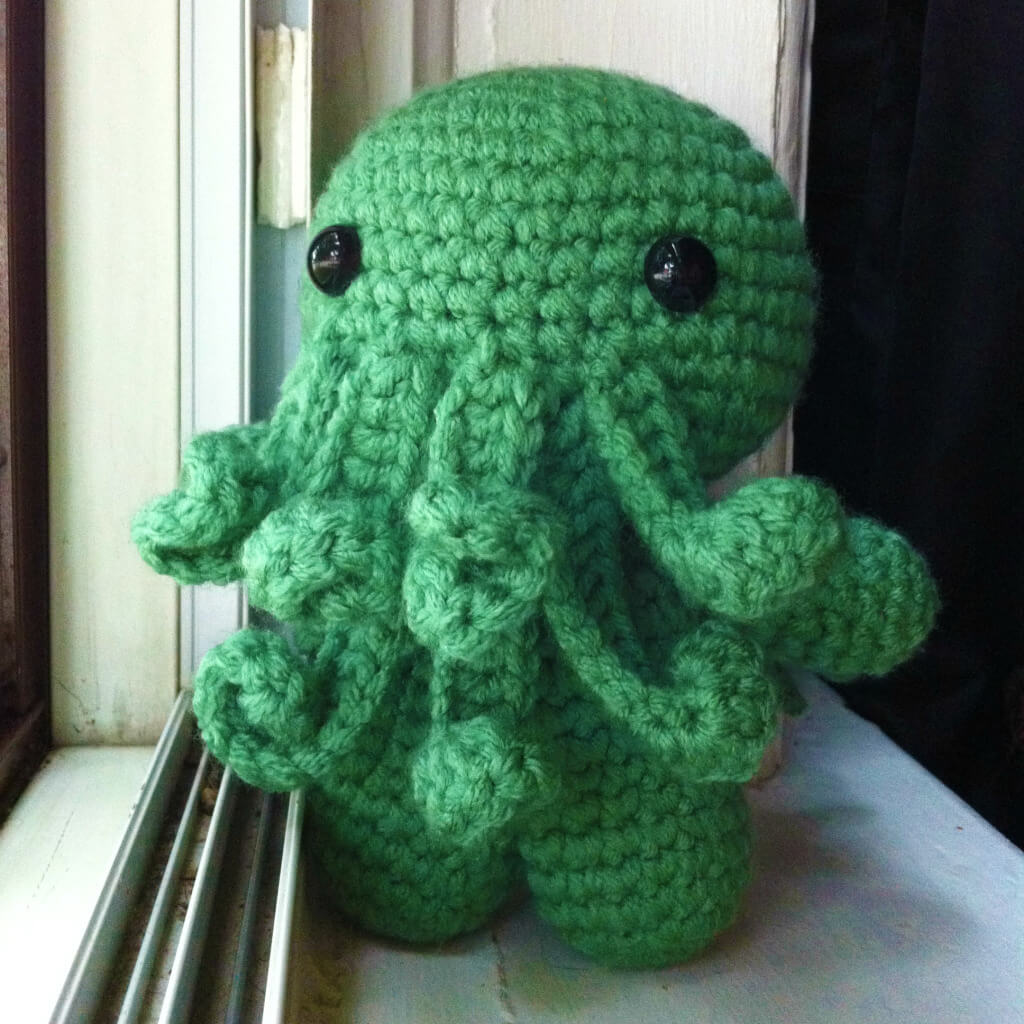
A Cthulhu Plushie from Call of Cthulhu. Cthulhu—one of the terrifying old gods from H. P. Lovecraft’s disturbing pantheon of unknowable monsters—isn’t often described as cute. In fact, his giant tentacles, leathery wings, and appetite for human flesh make him a perfect storm of nightmare fuel and existential terror for those who read his story. However, thanks to the incredible pattern creator Alysha, now Cthulhu is a must-have for those long winter nights. Follow this free pattern and within a few hour you too could cuddle with your own manifestation madness!


An Elvish Coat. Elves are a staple of the fantasy genre. With their spiky ears, elegant styles, and aloof attitudes, they are often the aristocrats of their respective stories and are usually sophisticated in style and mannerism. This Christmas, stay warm and cozy by making the pinnacle of elvish fashion, a long flowing coat with this free pattern by Morale Fiber. The pattern includes instructions on how to make a long button up coat with wide sleeves, a pointed hood, and a corset back. This elaborate design would be perfect for a cozy night in, so if you’re looking for a longer project this winter break, this is the craft for you.


Katniss Everdeen’s Winter Cowl from Catching Fire. This cozy neck warmer was worn by Katniss in Catching Fire during the snowy winter months in District Twelve looked toasty and soft. Can’t you just imagine wrapping yourself in it and then overthrowing the government? Well, imagine no more! Thanks to this pattern by Jazodee on Etsy, you can topple any empire you desire in fashion. It also includes alterations for sizing, so it can fit a revolutionary at any size!


Coraline’s Gloves from Coraline. Coraline Jones’ adventurous spirit made her a compelling protagonist, and her desire to stand out from crowd was especially relatable to the book’s young readers. Coraline Jones desperately wanted these gloves while back to school shopping to make sure that she stood out at her new school, much to her mother’s chagrin. You too can make a statement this winter with these iconic gloves! With this free pattern by Mad Hooker Crochet, you’ll be adventure ready in no time!

5 Speculative Fiction Books for Beginners

Speculative fiction is my favorite genre, so I’m beyond excited to share some recommendations! Speculative fiction includes books that are written about events or societies that are theoretically possible, but don’t actually exist. This definition can be a bit tricky to understand, so I like to think of it as the genre where realistic fiction and dystopian/science fiction overlap. It’s a great genre for readers like myself who enjoy a little bit of everything. In hopes that you’ll eventually fall in love with the genre as much as I have, I want to share five speculative fiction books that are a great place to get started!


Life After Life—Kate Atkinson. Life After Life is the story of a woman named Ursula Todd who relives her life numerous times in twentieth-century England. Each life is an alternate possible reality in which she vaguely remembers the events of her past lives and is able to avoid events which would otherwise have lead to her death. This book is a great place to start for anyone who enjoys character-driven novels. Not to mention the best part: it has a sequel!


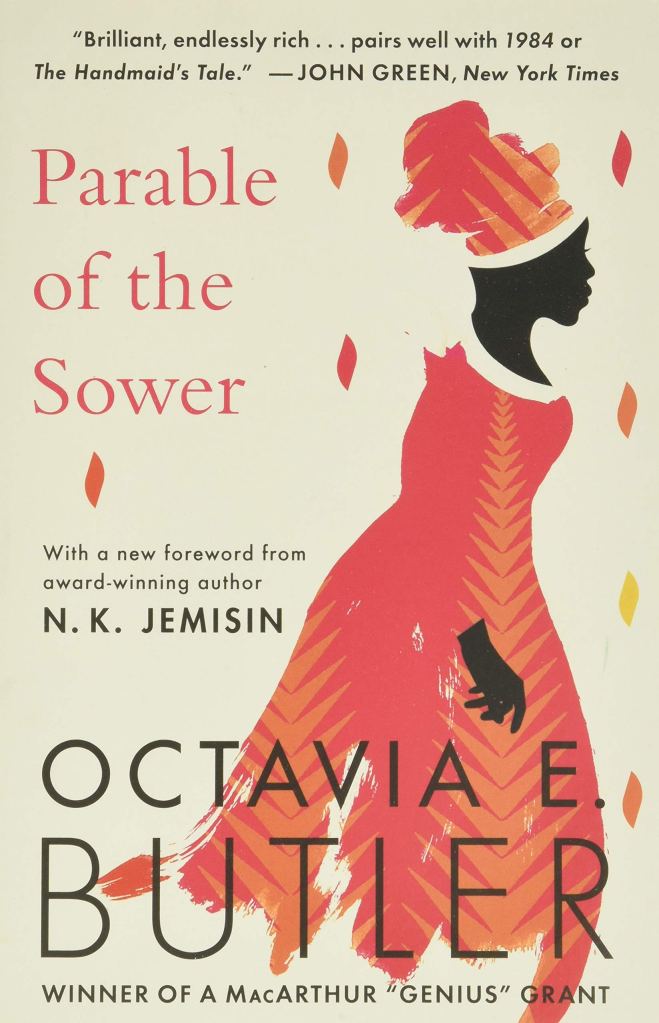
Parable of the Sower—Octavia Butler. I’m sure many of you are already familiar with Butler’s work, or at least recognize her name. And there’s a reason for that! Parable of the Sower was selected as a New York Times Notable Book of the Year in 1994 after its release and recently became a New York Times Bestseller again in September of 2020. The novel follows the life of a young woman named Lauren Olamina as she navigates Butler’s vision of America in 2024. I was completely engrossed in this novel when I read it. It is definitely a must read for anyone who is looking to ease out of teen dystopian novels and into adult dystopias.


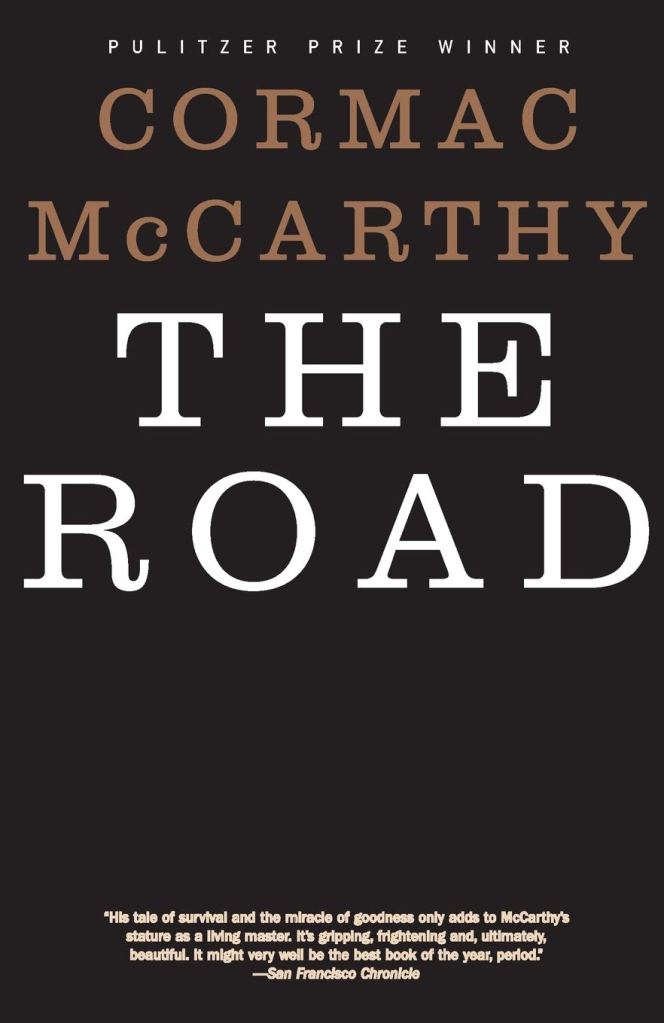
The Road—Cormac McCarthy. This was my first speculative fiction novel and let me tell you, I was floored when I read this book. The novel follows a man and his young son as they travel across the remains of a post-apocalyptical North America in search of a better life. The pair are accosted with difficult weather and unwelcoming travelers during their journey. I will warn you that this novel is intense, but it’s a must-read for anyone who enjoys realistically unhappy endings as much as I do.


The DreamersKaren Thompson Walker. Romance and domestic fiction fans, you’ve found your next read! Walker’s novel tells the story of a small town in California that is plagued with a deadly sleeping disease. The novel focuses on a young college student named Mei who is suddenly pulled out of her typical college lifestyle because of the strange disease. Mei finds a companion in one of her classmates, and together they attempt to save the town from the sickness. This novel is a great option for fans of bittersweet realistic fiction who are looking to expand their reading horizons.


1984—George Orwell. I doubt there’s much need for me to introduce this book to you. I’m sure you’ve heard of it one way or another, and possibly even read it in high school, or just for fun. Orwell’s novel had to make this list, though. 1984 is a classic in the genre of speculative fiction. His vision of life in the year 1984 has been the inspiration for many other speculative fiction writers who came after him. He certainly inspired some of the writers on this list. So, if you’ve read my list and now you’re wondering which of the five novels to start with, this is the one!

Practicing The Craft: 4 Books to Help You Become a Better Writer

As NaNoWriMo comes to a close for another year, many writers are celebrating their 50,000 word successes. What does it take to keep going for a full 30 days of writing 1,667 words per day? A little inspiration, motivation, and a lot of perspiration. Many, yours truly included, have turned to craft books this year to get a little nudge, and learn more about what it takes to create a great story.

For those seeking some inspiration and deeper knowledge about their craft, here are four books specifically written to do just that. These authors will lend support, motivate, teach technique, and at times be that friend over your shoulder whispering “you can do this!” It is never too early to get the jump on next year’s NaNoWriMo challenge!


On Writing: A Memoir of the Craft—Stephen King. You will see King’s book On Writing in just about every list that has anything to do with advice for creative writers. The dedication page sums up the tone of the book as King quotes Miguel de Cervantes, “honesty’s the best policy.” King sets the reader up for a no-holds barred look at the craft of writing. Part memoir, part instruction manual on how to write well, King is unflinching with details on his own personal journey and the demons that have accompanied him. His writing advice is similarly honest, and he uses examples from well-known authors to make his points. My favorite piece of advice is one that you have probably heard (but honestly, I don’t think a writer can hear enough) is, “read a lot and write a lot.” Despite what writers desperately want to believe, King claims there is no shortcut. On Writing is a humorous and honest look at what goes on behind the scenes.


Naming the World: And Other Exercises for the Creative WriterEdited by Bret Anthony Johnston. With acclaimed authors such as Joyce Carol Oates and Tom Robbins, Naming the World has some serious writer power. Broken up into sections to tackle such topics as getting started, dialogue, character, point of view and tone, this book unleashes the advice of many different writers coming from a variety of genres. At the end of each short piece is a writing exercise to practice what you may have just learned—and let’s just say that my copy is highlighted and annotated to death.


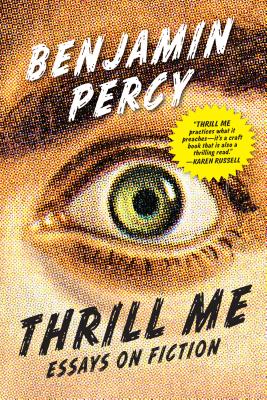
Thrill Me: Essays on FictionBenjamin Percy. With a biting sense of humor, Benjamin Percy implores writers to do what he was advised to as an emerging wordsmith: “Thrill me.” Through a series of well-curated examples including literature, film and television, Percy breaks down the finer aspects of writing. Through the examination of such topics as activating setting, using lyricism to create beautiful literary music, and creating the perfect balance of peaks and valleys to pace a story, Percy can help you fine tune that work that just isn’t, well, working.


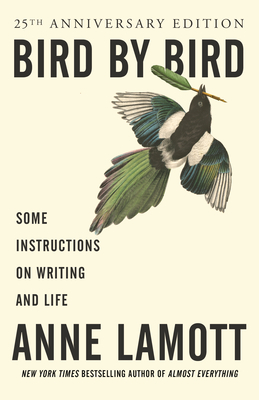
Bird by Bird: Some Instructions on Writing and LifeAnne Lamott. If you only read one section out of Anne Lamott’s book, Bird by Bird, let it be “shitty first drafts.” Particularly helpful for the perfectionist in all of us, Lamott begs writers to shed their inhibitions and just get it down on paper. She gives permission to play without fear of consequence (or later editing)—because playing is where the really great work happens! Through personal experiences, she guides the writer through various stages of writing a story including the shitty first draft, but goes deeper into the psyche. By offering thoughts on writing groups, finding your own voice, and even the ugly green-headed monster, jealousy, she tackles what goes on in the mind of a creator. Lamott also addresses creative nonfiction writers, and Bird by Bird doles out some serious inspiration and craft advice, with a dash of humor.


So…what are you waiting for? Grab a book or two, and start hammering away at your next great story or essay. As Jodi Picoult says, “You can’t edit a blank page!” Happy reading and writing!

4 Heartwarming Books to Improve Your Mood

If you’re anything like me, you may be feeling stressed about the current state of the world. To start, there’s a global pandemic. To complement that, there is a lot of global unrest and political tension. Sometimes reading news headlines makes me want to curl up into a little ball and hide under my bedsheets. Sometimes it seems like we’re in dire need of some humanity and compassion—and there is seemingly little to be found. 

Because of my current mental state,  I’ve recently found myself looking for little sparks of positivity. By doing this, I hoped to balance out the negativity of both world events and the minor inconveniences of everyday life. Naturally, I turned to books. I often find that fictional stories not only prove to be a pleasant escape from reality but also offer a glimpse into the truths of human emotion and love. By living vicariously through story book characters, I’m able to examine how deeply I feel and what resonates with me in regards to the emotions of the characters. This way, I’m able to re-evaluate my life using a brighter perspective. I often finish stories feeling more empathetic and with more peace of mind than I had when I started reading. 

That being said, I’ve selected a few heartwarming novels that have made a positive impact on my life, often in more ways than one. If nothing else, they’ve helped me view life through a more optimistic lens. The following is a compilation of a few stories that are sure to improve your mood: 


The Matchmaker—Catriona Innes. Caitlin lives in her own world. It’s seemingly perfect, but, in reality, it is riddled with fallacies. This story follows Caitlin as she explores who she is, with focus on the time of social media and dating apps, when it appears as though we have never been more connected yet more isolated. The Matchmaker is a story about love, loss, and loneliness, and learning to accept your reality. It is an uplifting novel, and Caitlin’s character and her progression are sure to win your heart. 


Fangirl—Rainbow Rowell. Fangirl is the story of two twin sisters named Wren and Cath who have suffered the misfortune of growing up without a mother. Their father is also absent for most of their lives, and they cope with this in different ways. Cath is an introvert—she is content to live in the world of the internet and her books. Her sister, Wren, is also her best friend. The story follows the two girls as they embark on their first year of college, as they are faced with the need to adapt. This story is a great pick for anyone who enjoys a genuine, funny, and charming novel. 


A Man Called Ove—Fredrik Backman. This book was recommended to me by my Grandma. I was hesitant to read it at first because it didn’t immediately pique my interest. However, once I started reading, I couldn’t stop. It’s almost impossible not to be enveloped in the story of Ove, an ornery old man who has all but completely given up on life. He is retired, has a short temper, and arguably has way too much time on his hands. He uses most of his spare time to enforce block association rules that no one else cares about. He also occasionally visits his wife’s grave. Although the story starts out looking rather bleak, the novel gains traction when an energetic young family moves in next door and accidentally flattens Ove’s mailbox. In the aftermath, the family and Ove develop a sincere and caring—albeit sometimes dysfunctional—relationship. This story is amazing for anyone who needs a smile, or even some hope. 


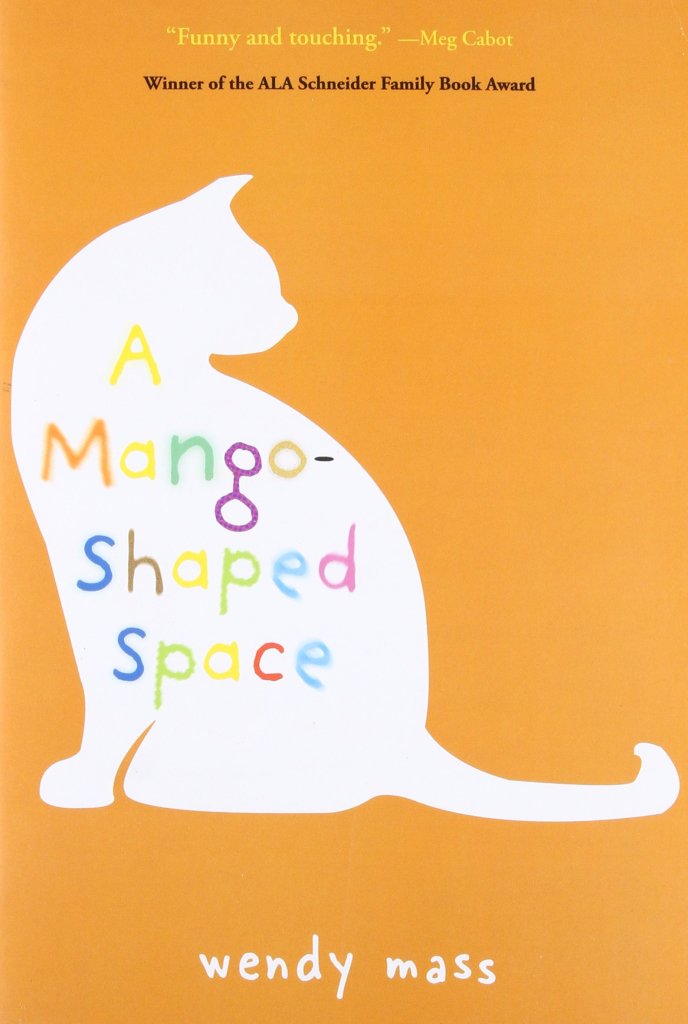
A Mango-Shaped Space—Wendy Mass. Mia Winchell is a girl who has just entered adolescence. However, she struggles with things far beyond the typical trials of becoming a teenager, such as puberty and romance. Instead, Mia lives with synesthesia, which can be described as a confusion of the senses. For example, to Mia, words and sounds appear to have color. The novel circulates around Mia’s experiences with synesthesia and the problems she faces in school and with her friends. In learning to overcome something most people her age (and most people in general) don’t know about or understand, she navigates finding her voice and place in the world. I would recommend this book to anyone who feels stuck or needs a pick-me-up.

7 Books to Teach You How to Write a Memoir

Maybe you have a story to tell. Maybe you want others to know they’re not alone. Maybe you want to write a memoir.

Writing about ourselves can be powerful, as can reading what other people write about themselves. We find universal, collective connection through sharing our personal stories together. We make sense of the past together. We own our histories together.

Memoir is a unique genre—it’s not autobiography or a chronological retelling of one’s entire life events. Rather, it’s telling a narrow and specific story around a life theme or event, and importantly, the interpretation of those events and what they mean for all of us looking forward. People write memoirs about all sorts of life events, major and small: divorcing their partner, learning to surf, hiking the Pacific Crest Trail. There is always something learned, which is then shared.

If you’ve been wanting to write your own memoir, you should. Maybe you’ve been unsure where to start, how to find the right memories, how to write dialogue you don’t remember, and other questions about the genre. Below is a curated collection of books to help you learn how to write a memoir, four of which are books about memoir writing and three are examples of memoirs that you can learn from as well.


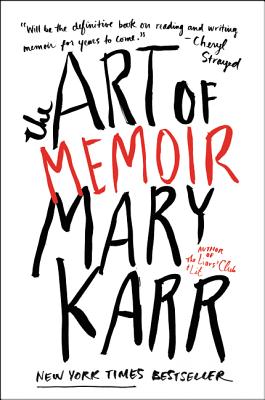
The Art of the Memoir—Mary Karr. “Everybody I know who wades deep enough into memory’s waters drowns a little.” Considered by many to be the book about memoir writing, Karr’s treatise on the subject is a perfect place to start your biblio-education of memoir. The Art of the Memoir gives the why of memoir writing. While the other books on this list will offer you the methods, tools, and the how of doing memoir, this book will provide you with the important foundation of the why of doing memoir—the methodology or theory behind the tools. It’s a theoretical overview of memoir and memoir writing, including subtopics like the catharsis of writing memoir, the ethics of writing about real people (sometimes doing so negatively), and finding the truth in memoir when people sometimes have different recollections of the same events. Start here.


Fearless Confessions: A Writer’s Guide to Memoir—Sue William Silverman. “We interpret facts about the past in order to reclaim them, make sense of them.” If the first book on this list gave you the why of memoir, these next two give you the how of memoir writing. I’ve read many books about writing memoir, and Fearless Confessions is both one of the most practical how-to guides and teaches unique concepts and techniques.

You’ve probably heard the writing advice “show, don’t tell,” and Silverman offers clear tools for doing that in a memoir, including using what she calls savory words, slant details, and revealing your theme. Silverman includes thoughtful exercises and illustrative examples throughout the book.


Naked, Drunk, and Writing: Shed Your Inhibitions and Craft a Compelling Memoir or Personal Essay—Adair Lara. “You need a good way to tell your story.” Lara’s book is a gift to anyone looking to learn how to write a memoir. Naked, Drunk, and Writing is a hands-on how-to guide to all the steps of memoir writing—from idea generation and planning your story to finding an agent and publishing your memoir. You will learn all the necessary stages of the journey here.

A particular favorite chapter is “How to Trick Yourself Into Writing,” which gives clever techniques and tools to try in order to developing a regular writing practice for crafting a memoir. She encourages the reader to write a lot—not only to develop usable material, but to cultivate a relationship to memoir writing and a writer’s identity.


Old Friend from Far Away: The Practice of Writing Memoir—Natalie Goldberg. “Too often we take notes on writing, we think about writing but never do it.” If you are struggling to write your memoir—feeling stuck, having no ideas or memories, feeling like you don’t have a story to tell (which you do!)—then use this book. Goldberg has written several other books on writing and this one is the most oriented toward method and to actually getting some words on the page. Old Friend from Far Away can help you get the what of your memoir.

This one may take you months to read because each page and each chapter is a writing exercise, some only a line or two long. “What was missing? Go. Ten minutes.” Others ask you to inventory every time you remember saying goodbye or to write about any memories associated with a bicycle. You will dig up memories you thought were long gone or didn’t know you still remembered at all. Goldberg says writing is an athletic activity, so get your writing muscles in shape by picking up this book and a pen and getting to it!


Memoirs are worth reading in their own right. The memoirist can teach you a new lesson about the world that you could find instructive, interesting, or comforting. Memoirs are like getting a secret peek into someone’s life—but they want you to peek. And more than that, memoirists want you to get inside, to swim around, to drink. In addition, you can learn about writing memoirs from reading them. Below are three memoirs to enjoy in their own right and to read to better understand the craft of memoir.


The Suicide Index: Putting My Father’s Death In Order—Joan Wickersham. [content warning: suicide] “It had never occurred to me that the other shoe might turn out to be, after all, the original shoe, dropping again, years later, when I was awake and available to feel it.” One day, Wickersham’s father, leaving no note, no clues, and seemingly no reason, takes his own life. His daughter writes in the form of a highly organized and categorized index to try and understand why her father took his own life. It’s a story about how a suicide can affect the family left behind, and about the sometimes impossible and unanswerable questions it leaves forever. What you can learn from reading this memoir is how to write in a unique form and how to write a story that’s not told linearly or chronologically.


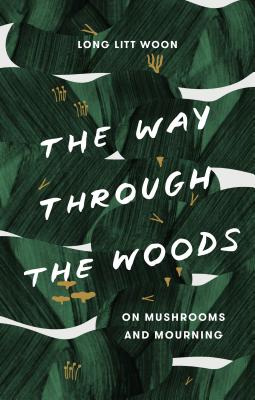
The Long Way Through the Woods: On Mushrooms and MourningLong Litt Woon. “If you want to hear a mushroom sing, you simply have to use your ears.” Long tells two seemingly unrelated stories about her life that end up being more connected than you’d think: grieving the death of her partner and discovering and falling in love with mushroom foraging. This memoir is incredibly informative and offers fascinating knowledge and detail about mushrooms and how to find them. It speaks to reconnecting with nature and with others, especially after a major loss. What you can learn from reading this memoir is how to intertwine your story with informational writing and how to tell two stories at once.


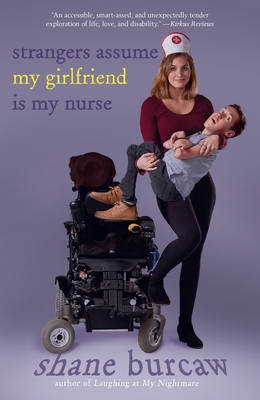
Strangers Assume My Girlfriend is My Nurse—Shane Burcaw. “You can’t truly know that you want to spend forever with someone until you’ve pooped in their arms.” Burcaw is a disability activist, speaker, writer, and non-profit director living with spinal muscular atrophy. His memoir will make you laugh out loud. This collection of short memoir essays will teach you about living with a disability in everyday ways that prove that the commonplace details of his life—and ours—can be endlessly interesting.

Burcaw is in an interabled relationship, and in the titular essay, he writes about how strangers continually assume that his girlfriend is his nurse. He advocates that disabled people can and do have fulfilling romantic and sexual relationships. What you can learn from reading this memoir is how to use humor in your own memoir and how to write your memoir as a collection of snapshots. If you enjoy this collection of personal essays, he wrote another one called Laughing at My Nightmare and he maintains a YouTube channel with his now wife Hannah.


Reading memoir is an exciting and engaging opportunity to create and experience connectivity in the mundane, the everyday, the quotidian and the real, the gritty, the universal. What develops between memoirist and reader is a type of friendship that lets us know that no one is ever really alone in their story.

And if you’re interested in learning how to write your own memoir, there are three ways you can teach yourself how to do it: by reading books about memoir, by reading memoirs, and by getting out there and writing your own. So, grab your pen!
8 Books by Indigenous Authors to Read During Native American Heritage Month

October 12 officially became a federal holiday in the United States in 1937. It had been celebrated far before it was federally recognized as the day that Christopher Columbus ‘discovered’ what would become the America we all know today. In recent years, the celebration of colonization and the subsequent mass genocide of the indigenous people that already inhabited this continent has finally come under public scrutiny. Today, many cities and states have made the progressive move forward to instead celebrate this holiday as “Indigenous People’s Day” to honor those native to this land rather than to celebrate an individual who set into motion centuries of oppression for Native Americans.

In light of this, we approach another critical holiday in American history. No doubt many of us remember the story of the Native Americans and the pilgrims of Plymouth, Massachusetts sitting down to a grand feast of unity that gave rise to Thanksgiving Day. It’s an important and touching image of peace that serves as a starting point in grade school for teaching acceptance and thankfulness, and in no way should our idea of a moment of unity or peace be broken (rather, we need it now more than ever)—but we should never favor only the positive aspects of our history since the truth is so important in moving forward. For this reason, the month of November in which we celebrate Thanksgiving is also Native American Heritage month, in support of further education and awareness of the people who originally loved and lived off this land and who have suffered greatly throughout history. When America was colonized, there were hundreds of separate Native American tribes across the country, each practicing their own religions, governments, and culture. Much of this was eradicated over time, along with many lives, languages, and customs. Native Americans were torn away from their lands, murdered, and indoctrinated. Many still struggle today to deal with poverty, persisting class divides, racism, misogyny, and injustice. This is the reality, and something that cannot be ignored over stereotypical imagery and concepts. In the wake of the BLM movement and the resulting uprise in racial sensitivity and revolution for equal treatment, the need for further education on Native American history and their similar systemic injustice is no less important.

One way to do this is to support indigenous authors and their work, which often shines a light on Native American heritage and hardships. In the same way that literature has taken on the task in today’s political climate to enlighten people and youth about racism in Black lives, we can seek out the following authors and their work to provide them the recognition they deserve—and educate ourselves in the process.


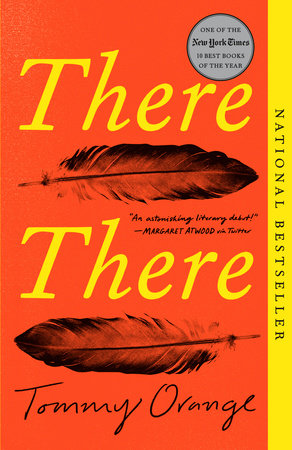
There There—Tommy Orange. Tommy Orange is a member of the Cheyenne and Arapaho Tribes of Oklahoma and currently resides in Oakland, California. His breakout novel There There was a finalist for the Pulitzer Prize in 2019, and tells the story of several Native American characters dealing with personal demons and their own racial identity, converging together at a Pow Wow towards the end of the novel. This novel has made waves for its relevant themes and rich characterization, so it is definitely one to check outand keep an eye out for Orange’s future hits.


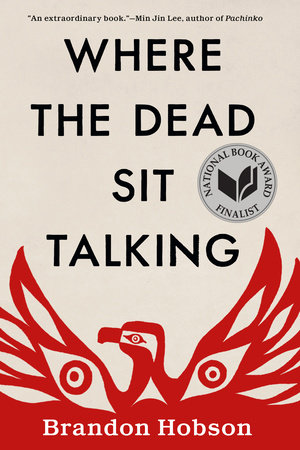
Where the Dead Sit Talking—Brandon Hobson. A member of the Cherokee Nation of Oklahoma, Brandon Hobson’s latest novel follows the story of a teen boy living in rural Oklahoma. In Where the Dead Sit Talking, Sequoyah deals with his mother’s substance abuse, life in the foster system, and meeting another teen girl dealing with much of the same trauma. It is set in the 1980s and is an authentic Native American coming-of-age story detailing the struggles present in many native communities.


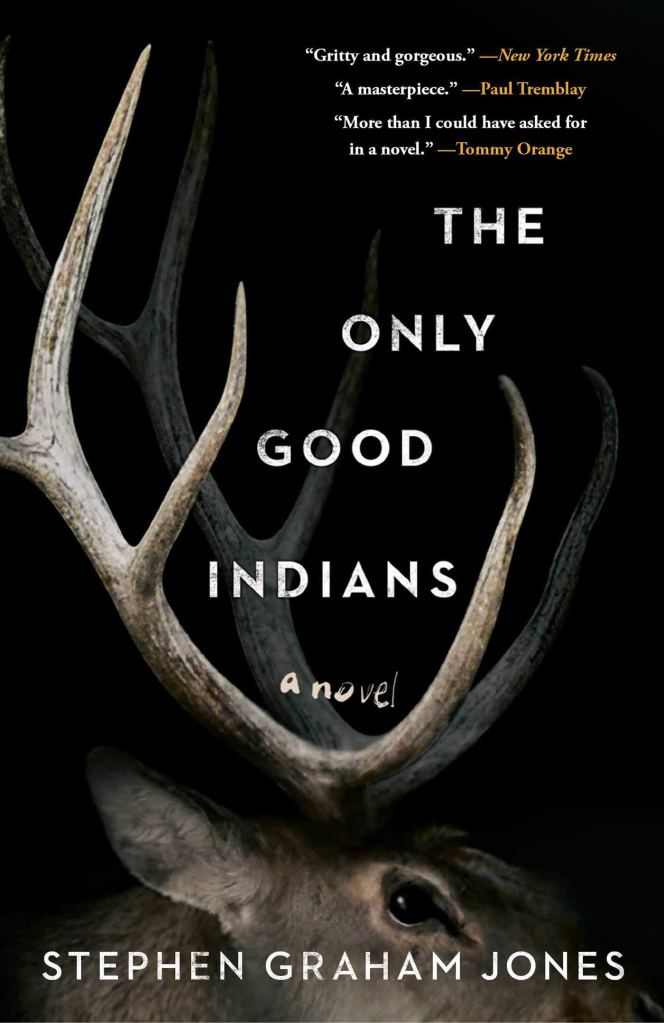
The Only Good Indians—Stephen Graham Jones. Stephen Graham Jones is a Blackfoot Native American who has left his mark across multiple genres of fiction over the past 20 years, all met with great success. He has definitely made an imprint in the literary world for indigenous authors and he has done so with work that not only stands on great plot, but informative work that represents his culture. The Only Good Indians is his latest work that delves into the horror genre, following four Native American men returning from a hunting trip with a vengeful entity following close behind.


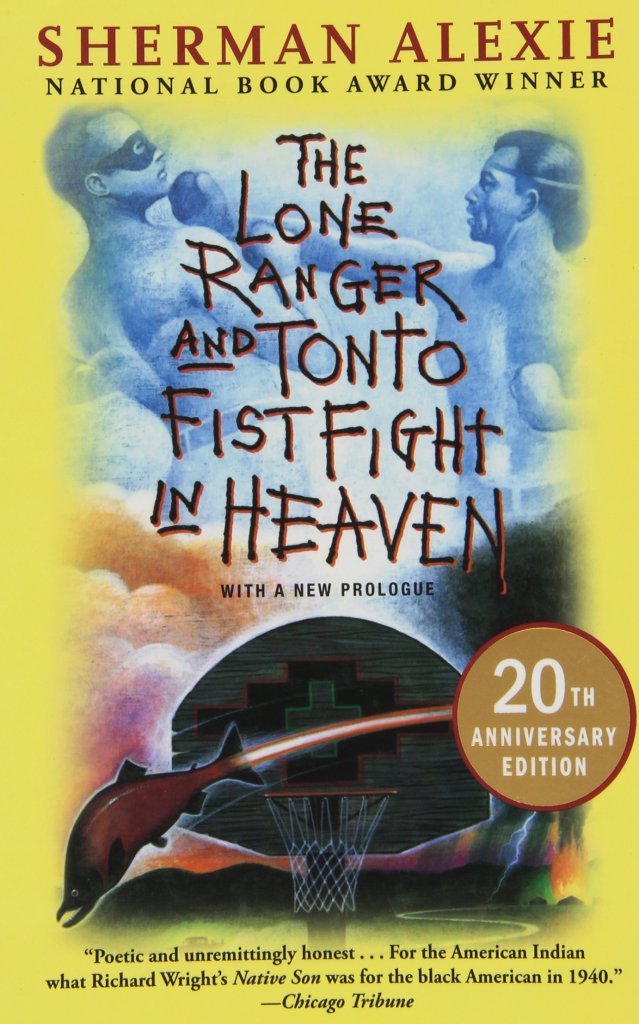
The Lone Ranger and Tonto Fistfight in Heaven—Sherman Alexie. I have a personal bias for Sherman Alexie—he is intelligent, witty, and a brilliant writer able to equally cater to the YA genre as he does adult readers. I chose The Lone Ranger and Tonto Fistfight in Heaven not for the long and entertaining name, but because this novel served as the inspiration for the movie that Alexie wrote and produced, Smoke Signals. Essentially, the novel conveys a compelling and darkly humorous story of growing up on reservations and coming to terms with broken families and self. I will also recommend Alexie’s equally compelling YA novel The Absolutely True Diary of a Part-Time Indian.


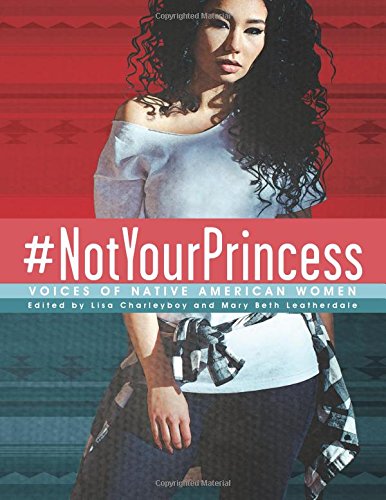
#notyourprincess: Voices of Native American Women—Edited by Lisa Charleyboy and Mary Beth Leatherdale. The editors of this compilation are both prominent names in indigenous publications, Lisa Charleyboy specifically serving as the editor for Urban Native Magazine. #notyourprincess is a collection of poems and prose by Native American women authors that highlight injustice and misogyny, as well and the inherent fears and defiance felt by native feminists. The works in this book confront stereotypes and celebrates heritage and strength in a modern world in which there are still additional hurdles if you are also a woman.


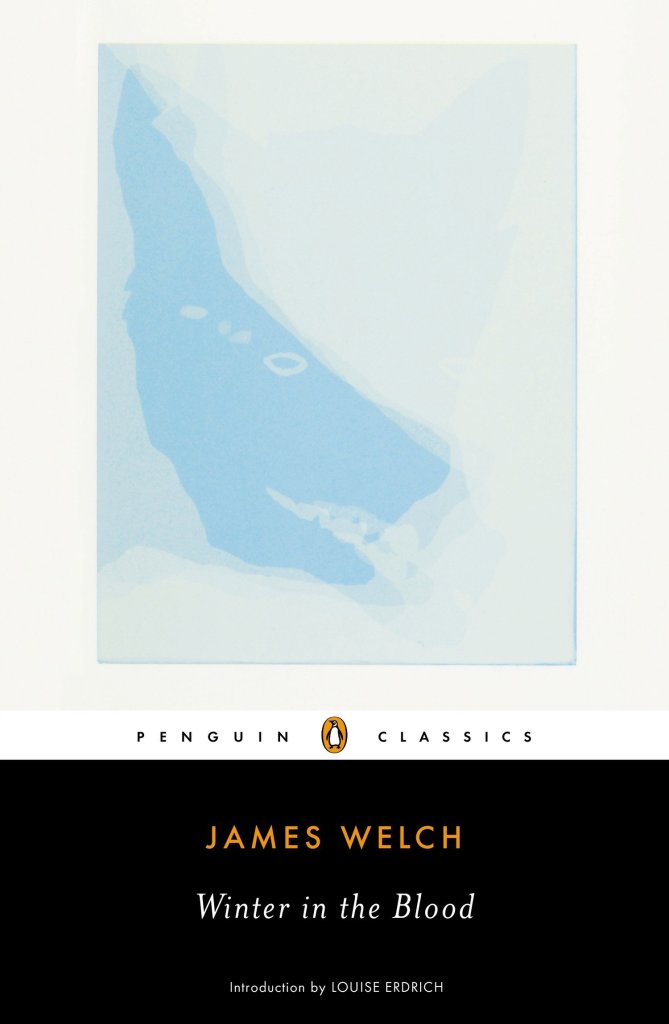
Winter in the Blood—James Welch. James Welch is considered by many a founding author in the Native American Renaissance, which is an uptake in indigenous authors and production of work in the 1960s. Winter in the Blood is a novel that follows a narrator haunted by the past and burdened with the weight of loss in the face of conflict between the reservation he resides on and the white settlement nearby. A slightly older novel in this lineup, the significance of James Welch and this haunting work still stands.


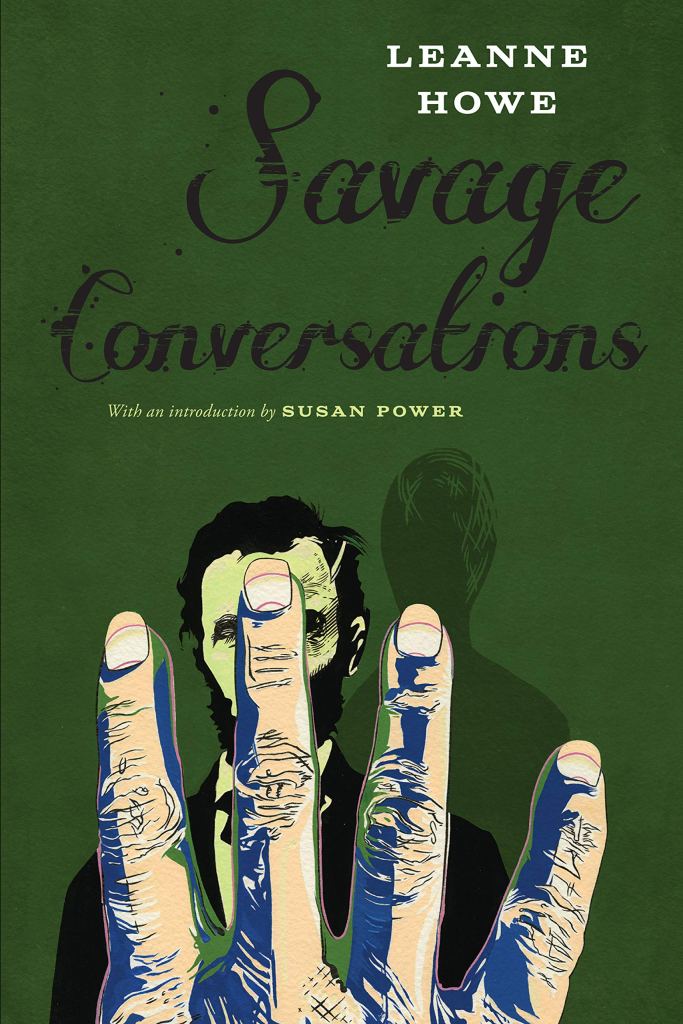
Savage Conversations—Leanne Howe. A member of the Choctaw Nation of Oklahoma, Leanne Howe’s novel toes the line between fever dream and historical fiction. Mary Todd Lincoln is haunted by hallucinations, so much so that she is institutionalized, but could they be connected to the slaughter of Dakota Indians authorized by Abraham Lincoln himself? Strange Conversations is brilliant in its beauty and the uncomfortable re-evaluation we are forced to do over what little we may actually know of our country’s history.


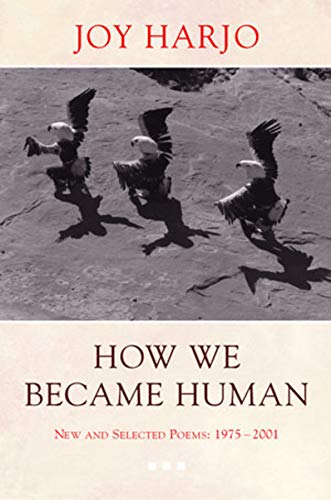
How We Became Human—Joy Harjo. I’m ending this list with an individual I’ve admired all my life. Joy Harjo was born in Oklahoma and is a member of the Muscogee-Creek Nation. She is currently the Poet Laureate of the United States, the first Native American woman to hold that title in history. She is a musician, a painter, an author, and an educator in addition to being one of the greatest poets in the country. Her work represents her culture and her heritage, and tells the story of the past, present, and future of indigenous people. This anthology is a collection of her work through a large span of her career, and is a must-have to experience her talent and learn about Native Americans through the eyes of a woman who has represented her people with both grace and strength.


I was born and raised in Oklahoma, a state where Native American heritage and education is a priority in our curriculum. I started my college journey at Northeastern State University in Tahlequah, Oklahoma, the Cherokee capital. I married a man who is an enrolled citizen of the Cherokee Nation, and our children are registered members as well. His ancestors walked the Trail of Tears to settle in Oklahoma, and he grew up hearing the stories and tales from his grandmother, which were her effort to keep their traditions alive in him. We will continue to nurture this same knowledge and heritage in our children. This is a topic that is near and dear to my heart. Take notice of the plights of Native American communities across the country and get involved in spreading awareness for causes such as #MMIW or Missing and Murdered Indigenous Women. This Thanksgiving, keep those ideas of unity in your mind as we continue to reevaluate privilege and racism in America and confront those issues head on. If 2020 has done anything, it has created an opportunity for us to hold the less fortunate to a greater importance, whether they are individuals that are at higher risk for COVID-19, or those that have been victims of systemic racism throughout their lifetimes. Let’s have a safe holiday and remember to love one another.

8 Spectacular Banned Books To Read This October

From September 27th to October 3rd, book-lovers all around the world celebrate the freedom to read by participating in Banned Books Week. The event began in the 1980s to bring attention to interest groups that were attempting to remove books they found offensive from libraries and schools. Today, it continues to address modern attempts at censorship and strives to support the sharing of ideas—even if they offend. Banned Books week has just wrapped up, so let’s keep celebrating the right to read by diving into these eight incredible and controversial tales.


The Giver—Lois Lowry. This book follows a boy named Jonas who discovers that he lives in a dystopia. His entire community strives to eliminate all suffering and pain  by removing anything that has the possibility of  introducing negativity or diversion from the norm, such as colors, love, or choice. When Jonas is assigned the feared position of “The Receiver of Memories,” he sees for the first time how far his community has fallen. Now that he knows of the world before “sameness,” he must decide to fight to return his society to the freedoms of the past, or see the wisdom in hiding from the dangers of choice.

Why this book was banned: The Giver includes references to sex, chemical castration, child murder, euthanasia, suicide, violence, and death, making it a controversial book for school libraries—especially in elementary schools. It was banned temporarily in California in 1994 due to its sexual content and in 1995 the book was challenged for its reference to euthanasia, causing schools in Montana to require parent permission for the book to be checked out. More recently, in April of 2001, a father tried to get the book removed from Colorado schools because he believed it would cause school shootings due to its violent nature.


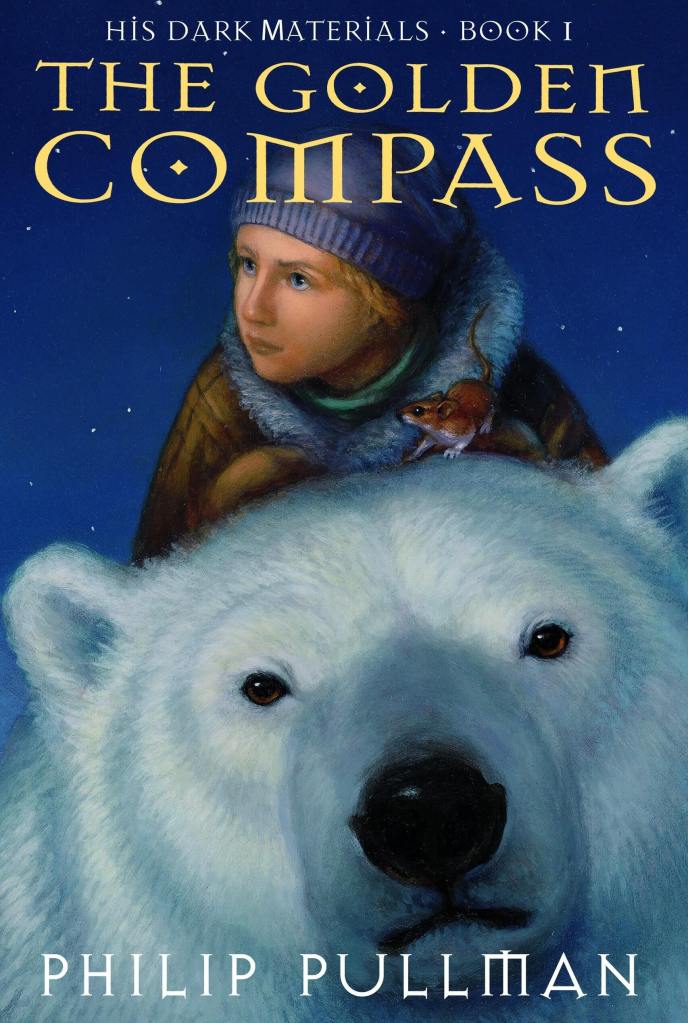
The Golden Compass—Philip Pullman. In a world where humans are born with spirit animals, a young girl named Lyra must help stop children from being kidnapped, tortured, and killed by a powerful church that controls all aspects of her society. On her journey, she discovers a conspiracy by the church that threatens to change her world as she knows it.

Why this book was banned: The Golden Compass largely focuses on what is referred to as “dust,” which represents sin. The church in the story is fighting to stop the destruction of sin because it allows them to keep their absolute power over the entire world. This premise outraged several religious groups, specifically many Catholic groups who felt this book was a direct attack. The author has even been referred to as “the most dangerous author in Britain” and “the anti-C. S. Lewis” by Peter Hitchens, who is a journalist for The Daily Mail. Many Catholic schools have banned this book from their libraries due to this perception, such as the Halton Catholic School in 2007. 


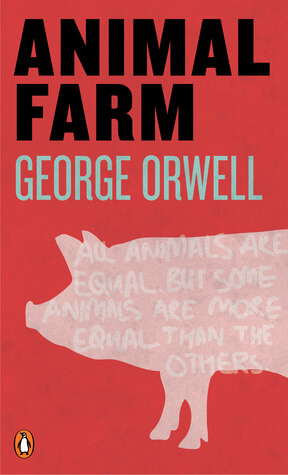
Animal Farm—George Orwell. This allegorical tale takes place on a farm where all of the animals have become fed up with the terrible treatment from the farmer. The animals revolt and succeed in expelling the farmer, leading to them creating a farm where “all animals are created equal.” As the farm grows, so does the corruption, as the once-great ideals of animal farm fade away until they are back to the same tyrannical rule, making it a perfect allegory for the communist uprising in Russia.

Why this book was banned: Animal Farm was banned in Russia until the fall of the Soviet Union in 1991 due to its anti-totalitarianism. Ironically, it was also banned in America during the Cold War due to the positive references to communism at the beginning of the book, meaning that Animal Farm has been banned for being both too communist and not communist enough.


Carrie—Stephen King. All Carrie White ever wanted was to be normal, but with an abusive religious zealot for a mother, Carrie could never fit in among her classmates. Each day she is forced to put up with relentless abuse from her classmates due to her odd clothing and beliefs, and abuse from her mother who is convinced that her daughter is a sinful demon that must be cleansed. One day, Carrie discovers she has telekinesis and begins to use her powers to finally take back her life, but the bullies at school have other ideas.

Why this book was banned: With its references to violence, puberty, religion, sex, and foul language, it’s no surprise that Carrie was often challenged by school officials. It was first banned by Clark High School in Nevada in 1975, then by The West Lyon Community School Library in Iowa in 1987, and most recently by the entire library district of Almar-parish Williamstown in New York in 1991. In response to these frequent bannings, Steven King was quoted saying “get a copy of what has been banned, read it carefully and discover what it is your elders don’t want you to know.”


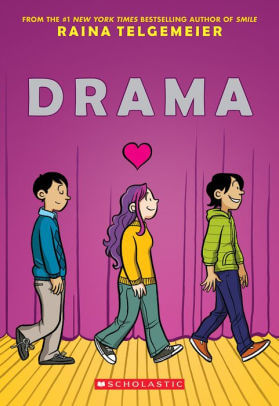
Drama—Raina Telgemeier. Callie, a middle school techie, befriends two twin drama nerds during their middle school production of The Moon Over The Mississippi. Together, the three of them navigate the tumultuous world of junior high romance as they learn to embrace who they are and to be unashamed to share it with the world, regardless of who supports them.

Why this book was banned: Drama deals with realizing and accepting one’s sexuality and the blowback that can come from it, which makes it a controversial read for some—especially since it was published in 2012, before gay marriage was legalized in all states. Drama has been banned in Texas several times, first in 2014 by Chapel Hill Elementary, then in 2015 by Kirbyville Middle School, and, most recently, in 2016 it was banned by the entire Franklin Independent School District. This book is an anomaly on this list as it doesn’t contain anything sexually explicit, violent, or abusive—it just has LGBTQ+ characters.


My Brother Sam is Dead—James Lincoln Collier and Christopher Collier. Set during the American Revolution, this book follows a boy named Tim Meeker as his family, who is on the side of the British, and his brother, who supports the revolution, struggles to survive during turmoil caused by the war. From looting, kidnapping, prison ships, hanging, mass slaughter, and much more, this book removes the veneer that often covers the Revolutionary War and shows the pain and suffering that both sides caused during America’s fight for independence.

Why this book was banned: The book often uses profane language and depicts graphic scenes of death and suffering, causing many schools to have it removed from their libraries. The American Library Association reports that My Brother Sam Is Dead is “the 12th most commonly challenged book” from 1990 to 2000 and the 27th most commonly challenged book from 2000 to 2009.


Mick Harte Was Here—Barbara Park. This book follows Phoebe Hart as she tries to make sense of the sudden tragic death of her younger brother Mick Harte and struggles to give meaning to his passing. Deceptively simple, this story shows the pain of sudden loss honestly and in a way that anyone can understand, all while imparting on the reader the importance of bike safety without coming across as preachy or distracting from the focus of the story. While this book was originally intended for younger audiences, the tact with which it deals with issues that affect everyone makes it a powerful read at any age.

Why this book was banned: This book does not pull its punches when it comes to addressing the serious pain that comes from death and loss, and, as such, it is often seen as far too intense for young readers. When the book was challenged at Centennial Elementary School in 2004, the mother leading the charge was quoted saying that she thinks “it takes the structure of an adult mind to deal with most of the themes in this book.”


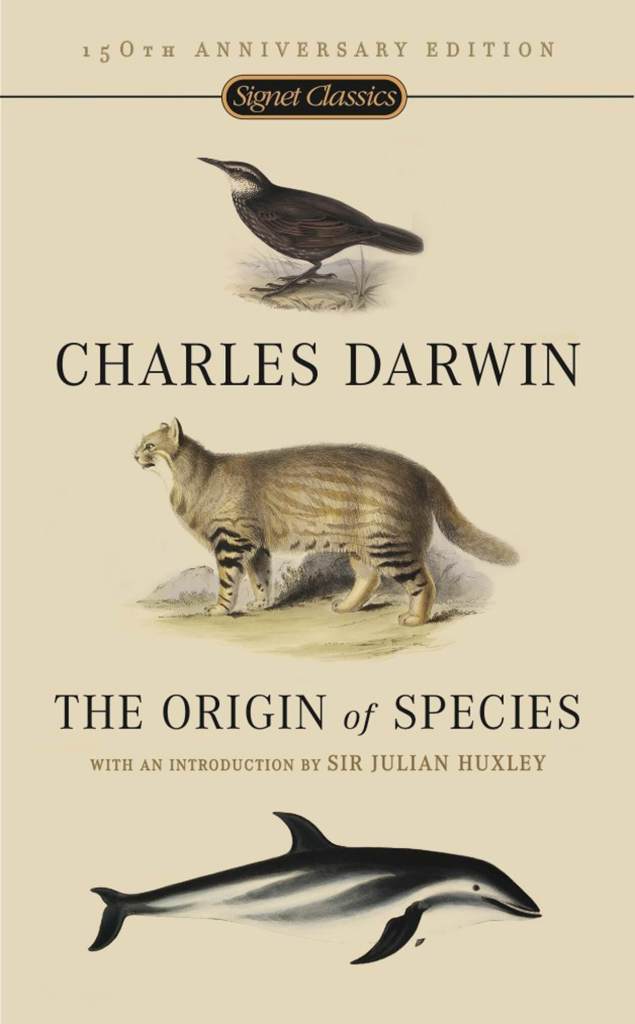
The Origin of Species—Charles Darwin. Arguably the most famous and important scientific text ever written, The Origin of The Species relays the theory of evolution using evidence from Darwin’s studies on the Galapagos Islands. Using his studies on animals such as the Galapagos tortoises and mockingbirds, Darwin changed biology as we know it and allowed us to begin to answer many of life’s greatest questions.

Why was this book banned: This book was first banned by Trinity College, where Darwin attended school, when it was published due to it being declared “blasphemous” by all sects of Christianity at the time. It was also banned in Yugoslavia in 1935 and in Greece in 1937. The teaching of the theory of evolution from this book in America was also fraught with restrictions and outright banning, the most famous being the Scopes Monkey Trial in 1925, which surrounded a teacher who broke a Tennessee law that forbade the Teaching of Evolution.

6 Books That Explore Social Dis/Connection

You might be feeling disconnected and isolated right now going through this global pandemic. Whether you are the type of person that likes to take a deep dive into what you’re feeling and really indulge
and explore it, or you’re the type of person that likes to go in the opposite direction and find
hope, there is a book on this list for you.

Feeling socially disconnected can be disorienting. The first three books on this list capture the
essence of social disconnection and the yawning chasm of isolation. Spooky! Lonely! Take a
deep dive into the solitude you’ll find here.


Johnny Got His GunDalton Trumbo. Be warythis tale is dark, scathing, and unsettling in its embodiment of social disconnection. A young soldier returns from the First World War and slowly becomes aware that he is severely injured. His injuries are such that he has little ability to communicate with the people around him. Written in 1971 during the Vietnam War, Trumbo writes a depressingly persuasive anti-war story by describing the communal untethering it brings.


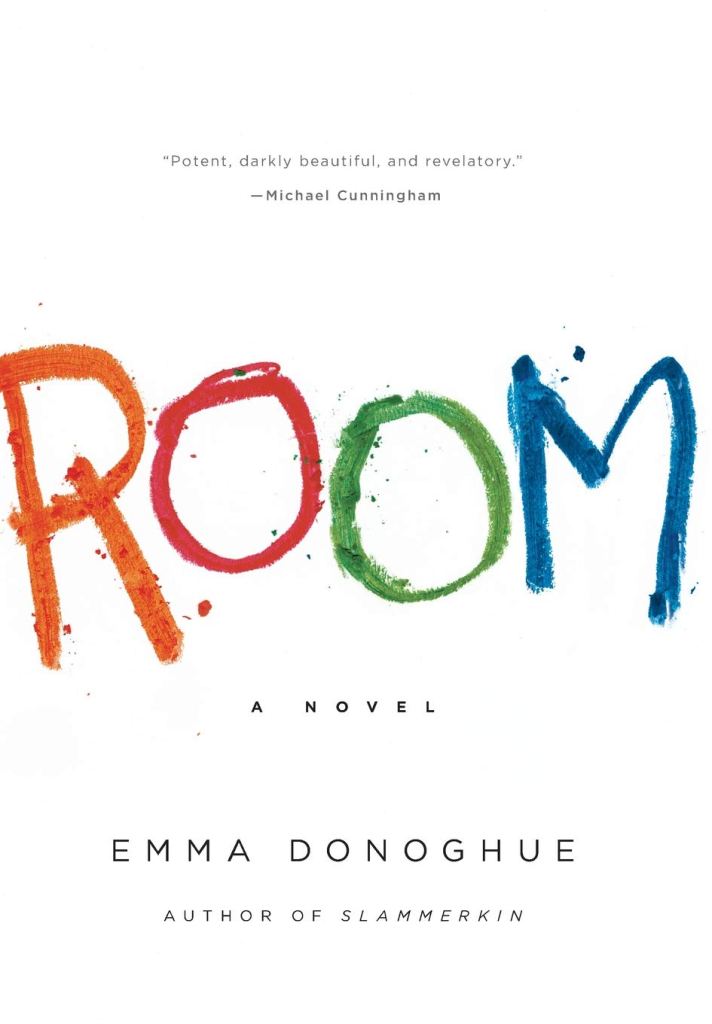
Room—Emma Donoghue. Made into a movie in 2015, Room is narrated from the perspective of a 5-year-old boy named Jack. Room is all he knows. See, his mother was kidnapped and kept locked in a shed in the kidnapper’s backyard. Completely isolated from others, Jack slowly has to learn how to forge bonds with people other than his mother. Ultimately hopeful, most of the story is unnerving and claustrophobic in the characters’ total forceful removal from society.


The Martian—Andy Weir. To balance out the heaviness of the previous two recommendations, I suggest The Martian, the basis for the 2015 film of the same name. This book will make you laugh out loud. Mark Watney is an astronaut who gets accidentally left behind on the planet Mars after an aborted mission. The story explores themes of survival, communication beyond great distances, and the importance of the many rallying together for the few. Talk about social disconnection when you’re literally the only person on a whole planet!


Or if that’s just not your thing, take a peek at these other three books that speak to the importance of social connection and the awesome power of interpersonal relationships. Hope! Kinship! We will find one another even in the dark.


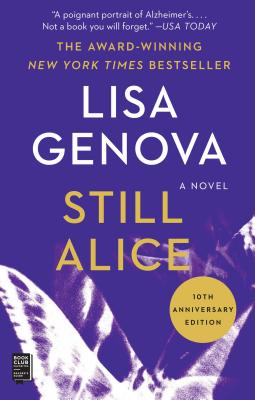
Still Alice—Lisa Genova. Alice is a successful linguistics professor who begins to struggle after a diagnosis of early onset Alzheimer’s disease. Despite the usual associations with the disease as causing further isolated from others, it is her husband and children who remind Alice—and us—about the power of connection and being with loved ones to ground us through hardships.


The 100-Year-Old Man Who Climbed Out The Window and Disappeared—Jonas Jonasson. Get ready for one of the most delightful books you’ll ever read—seriously, it’s so cute. After escaping from a nursing home, 100-year-old Allan takes off on a series of wild and surreal adventures. You’ll learn about Allan’s colorful history as he creates new friendships along the way. And if you enjoy this book, there is an equally lovely sequel.


Your Inner Fish: A Journey into the 3.5 Billion Year History of the Human Body—Neil Shubin. Your inner fish? Now hear me out. In this engrossing nonfiction book, Shubin will take you on an evolutionary journey that will leave you never looking at yourself and the place of humans in the greater scheme of the universe the same again. Through fascinating evolutionary biology, he shows us how vastly interconnected all of humanity and nature are. You’ll never feel alone again.


All of the books on this list remind us that we are human, that we thrive when united, and that coming together is the most important thing. Read a few chapters, and then call a friend to tell them you love them.

Top 4 Netflix Book-to-Movie Adaptations

As Netflix has grown more popular, they have started producing more and more of their own content. Plenty of top ranking shows, movies, and documentaries are Netflix originals. A handful of these are based on best-selling novels, and most of the time they do a pretty solid job bringing these beloved books to life. I have compiled a list of my top four book-to-film adaptations from Netflix which are all very close to my heart.

To All the Boys I’ve Loved Before—Jenny Han. When I was 14, this was one of my all-time favorite books, but I had forgotten about it as I got older. As soon as I heard Netflix was coming out with a movie adaptation of it, it immediately jogged my memory and I couldn’t wait.
For those of you who aren’t familiar with the story, it is about a girl named Lara Jean who wrote five love letters throughout her life, kept them in a box with no intention to mail them. So when they suddenly got out and all the recipients had them, including her sister’s ex-boyfriend, Josh, Lara Jean freaks out. She decides to fake date a different letter recipient named Peter to throw Josh off, but that doesn’t exactly go as planned—you’ll have to watch to find out why.


Book to movie adaptations are always hit-or-miss, but this one did not disappoint for me. They cast it well because the characters are exactly how I envisioned them, and they truly brought the story to life. I highly recommend this film to any lovers of the books!

All the Bright PlacesJennifer Niven. This novel is definitely a bit heavier than the previously mentioned one, but it is still phenomenal. It’s definitely a tear jerker, but in the best way. If you haven’t read the book, it follows Theodore Finch starting when he finds his classmate, Violet Markey, about to jump off a roof. He doesn’t know her very well but decides to befriend her anyway, making a silent pack to himself that he won’t let her struggle alone. As he is dealing with his own mental health issues, this is something he hopes will help him, too. It’s a beautifully written story, but I definitely recommend reading it alone (unless you don’t mind people seeing you sob uncontrollably).


Netflix did a great job bringing it to life as a film—it’s a great blend of tragic and heartwarming, and is sure to tug on your heartstrings. Whether you loved the book or just prefer to watch movies, I recommend getting cozy with a box of tissues and putting this one on.

1922—Stephen King. This one is for the horror/suspense junkies out there. This novella is quite different from the previous two books on this list, but the film adaptation is pretty solid and very underrated. The story follows a farmer named Wilfred who kills his wife—and gets his son in on it—in order to avoid having to sell his land. After this happens, weird things begin to happen around the farm, most of them unexplainable.
The film adaptation came out in 2017, which was a big year for King, so naturally this one was swept under the rug a bit more. That being said, the film does bring certain aspects of the novella to life and the story is very interesting. If you’re a fan of King and a fan of supernatural horror stories, this movie should definitely be included in your scary movie marathon.

Let it Snow—John Green, Lauren Myracle, and Maureen Johnson. When I was in middle school, I went on a John Green kick, much like a lot of people my age. In doing so, I stumbled upon this masterpiece of a story. This is one of my favorite holiday stories and when I saw they were making a movie out of it, I freaked.


If you’re not familiar with the novel, it follows three different main characters in the same town as they handle various decisions. Without giving too much away, we have best friends who may or may not have feelings for each other, a celebrity encounter, and a girl dealing with a breakup. These stories all take place simultaneously around the holiday season—I mean, what more could you ask for?!
Netflix turned this novel into a film last year and despite some small changes, I absolutely loved it. I felt that the changes really added to the story and the actors were perfectly chosen. It really is an adorable film and sure to put you in the holiday spirit (so maybe save this one for after Thanksgiving).