
6 Powerfully American Novels

From Memorial Day to Independence Day to Labor Day and everywhere in between, summer is the perfect time for fiction that explores what it means to be American! While it’s great to return to classics such as Ernest Hemingway’s A Farewell to Arms, Howard Fast’s April Morning, and Stephen Crane’s Red Badge of Courage, not every American origin story centers on a white man in wartime. Here are six powerful classics that reflect the scope of our country’s diversity, showing the value of the past and the determination towards the future that unites Americans regardless of time period or background.


Amy Tan’s masterful The Joy Luck Club is a classic fiction novel that provides a realistic portrayal of American families. Beginning in China and continuing in San Francisco, the Joy Luck Club meets weekly to play mahjong. When its founder, Suyuan, passes away in the 1950s, her daughter Jing-mei is confronted with the truth about her mother’s complicated past. Jing-mei’s feelings of inadequacy in telling her mother’s story are echoed by the other daughters of the club members, as being raised in America gave them markedly distinct experiences than that of their mothers. Told in a series of linked shorter accounts, the book gives us a glimpse into the cultural and generational conflicts with immigrant mothers and American-raised daughters. This novel offers a powerful definition of being American: how—instead of abandoning of the past—the American spirit is strengthened by retaining cultural heritage while still moving forward.
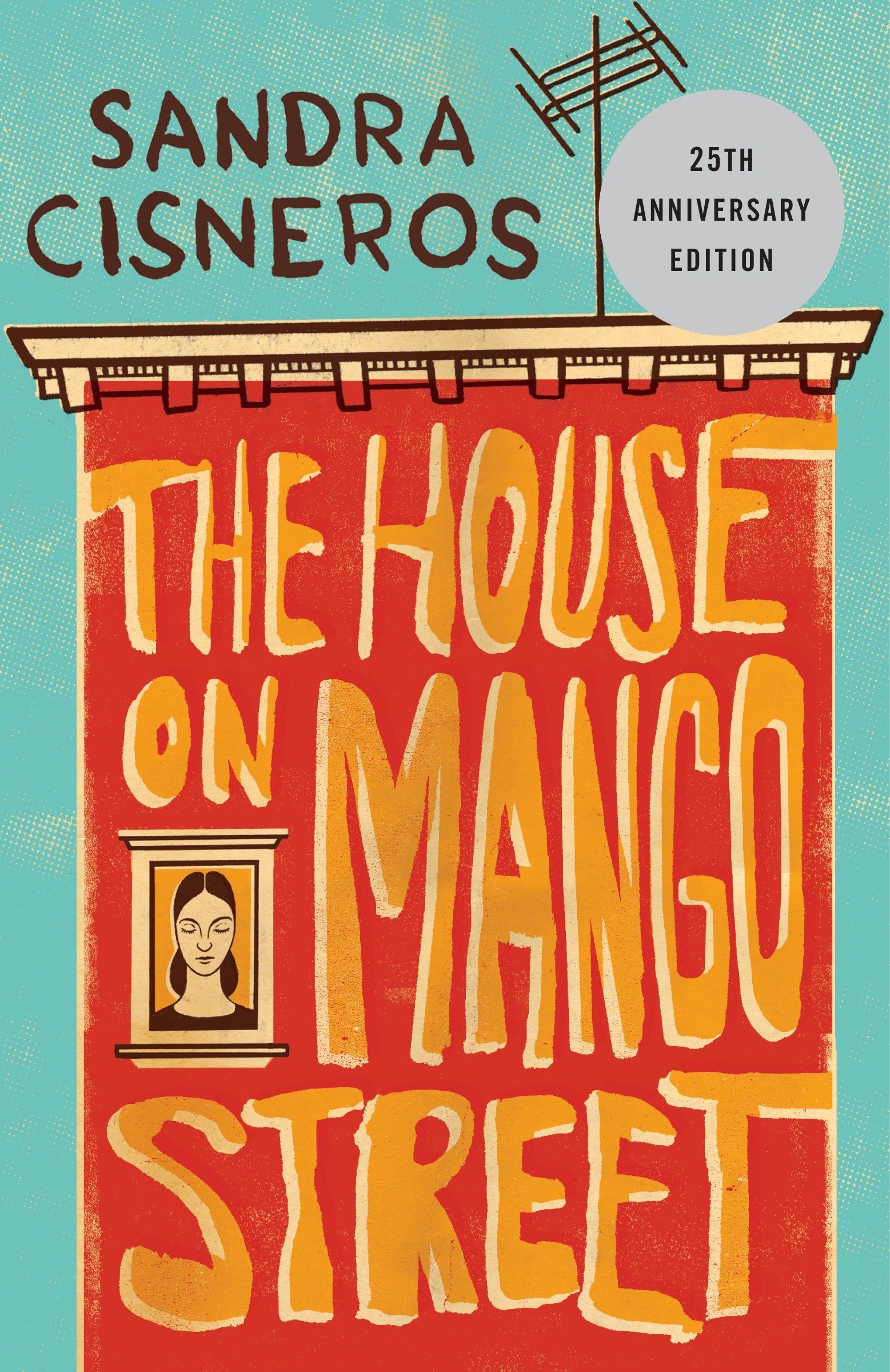

Mexican-American Esperanza may only be twelve years old, but that does not keep her from having big dreams and being determined to leave her family’s poverty in the past. As she matures and undergoes traumatic experiences throughout the year, Esperanza’s story provides a real, raw look into the racial segregation, financial difficulties, and physical challenges that many Americans on the fringe experienced in the late 1950s, just as Esperanza did where she lived in a poor Chicago neighborhood. Esperanza’s learning to balance cultural heritage and personal progression to help others exemplifies a critical dichotomy in true Americanism.
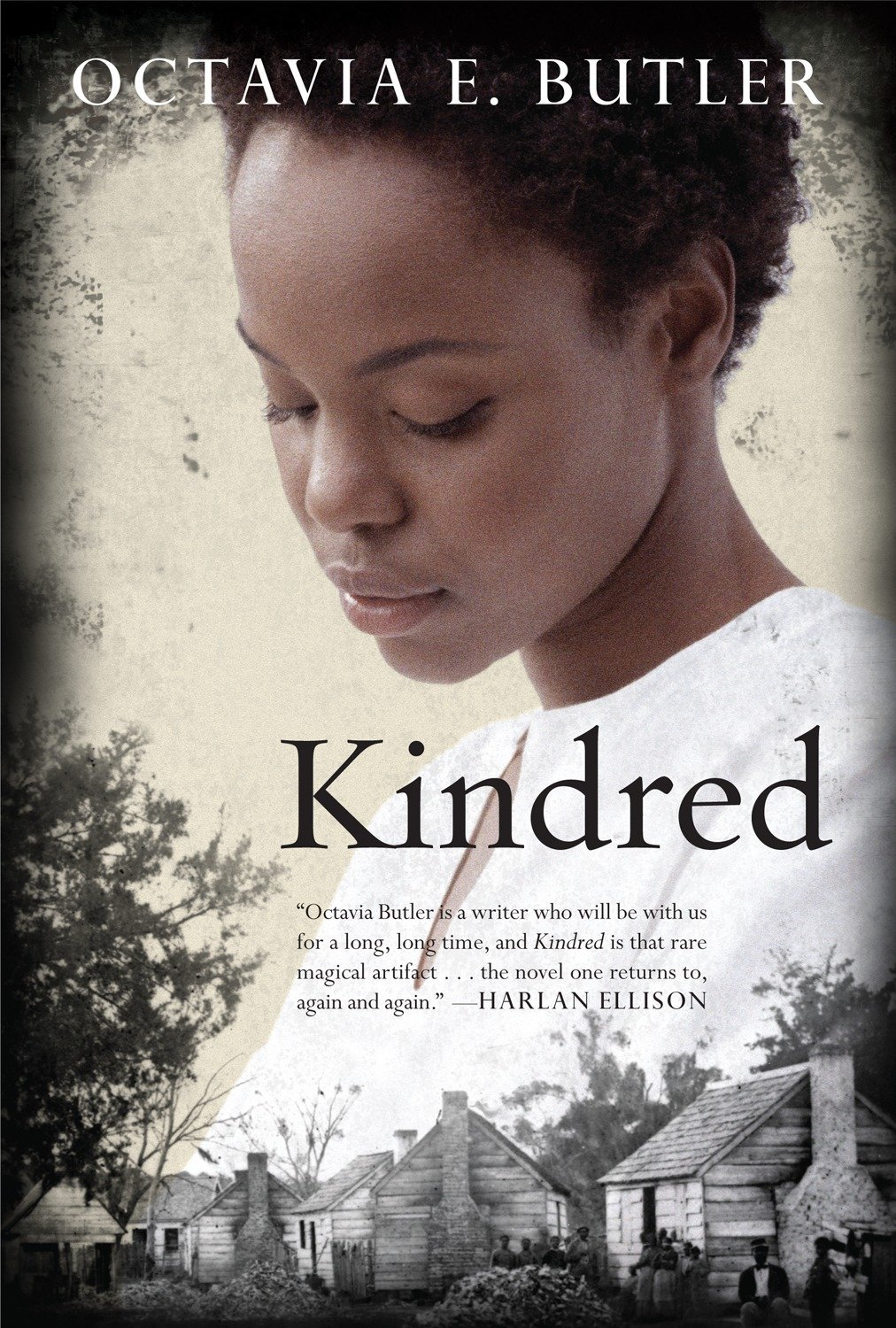

Octavia Butler’s Kindred follows Dana, a 26-year-old black woman in California in 1976, and her literal connections with her past as she interacts with her ancestors in slavery in the early 1800s in Maryland. She makes difficult choices and experiences the atrocities of slavery in a personal way, made more poignant by comparison to her white husband’s treatment. Dana’s cross-century experiences of taking control of her life in the face of misogyny and racism prove the persistence of the past in the attitudes of the present, providing a vivid perspective on these periods in American history that is often overlooked.
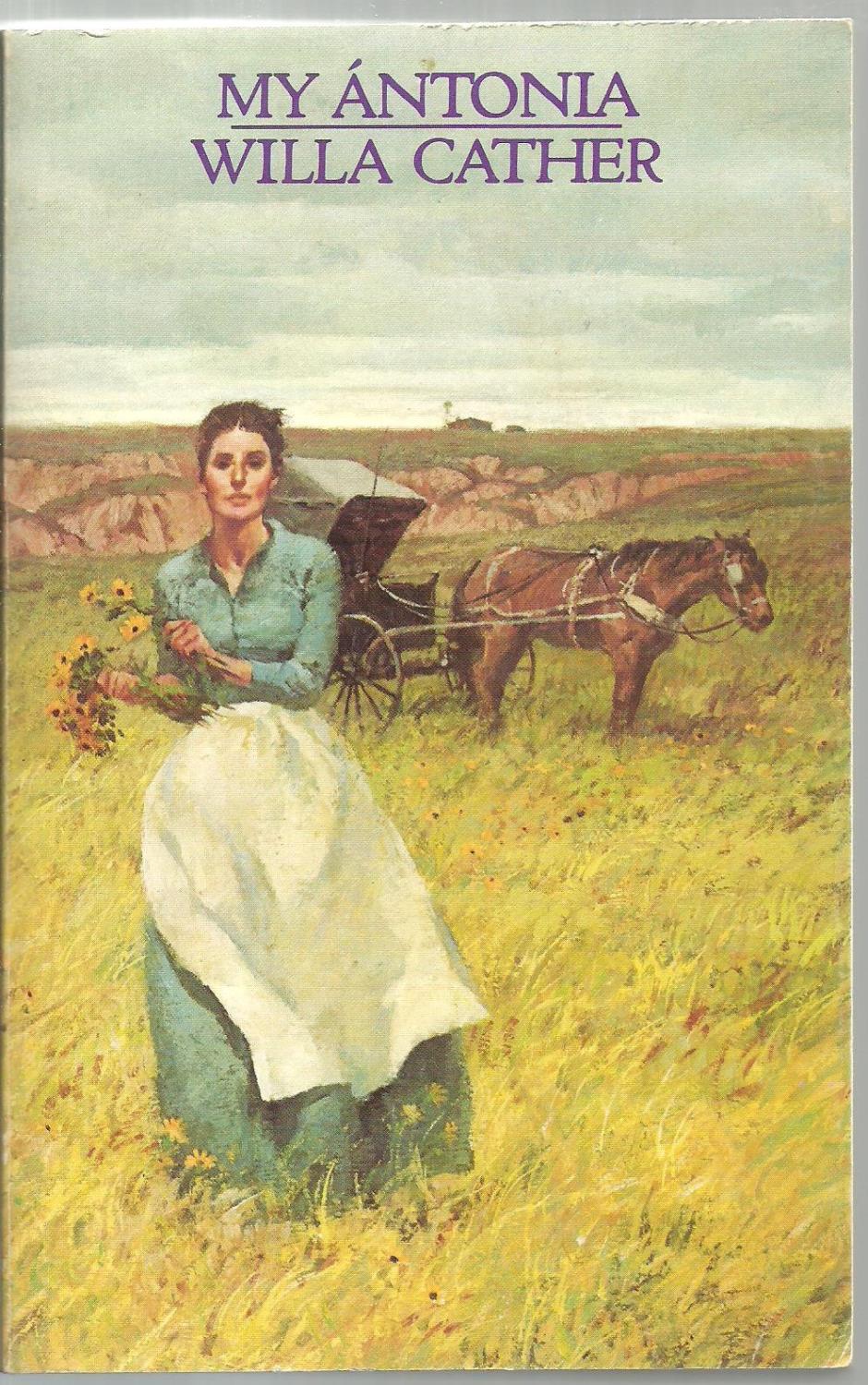

Jim Burden reminisces on his experiences with his childhood friend, Ántonia Shimerda, who came with her Bohemian immigrant family to Nebraska in the 1880s. From teaching her English as children to visiting her with her own children decades later, Jim’s account of Ántonia’s life, especially in comparison to his own, does credit to both the lifelong friends. Ántonia’s actions throughout demonstrate her remarkable tenacity of spirit with the balance of remembering history while moving forward. Willa Cather’s masterpiece, My Ántonia, shows how—even with all the complications of her past experiences—Ántonia fully and truly embodies American values.
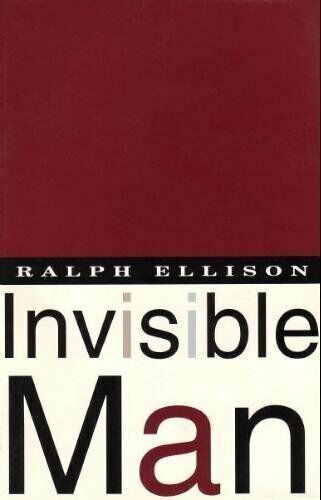

Ralph Ellison’s Invisible Man begins and ends with the unnamed narrator hiding from the world underground saying he is invisible. Pondering Louis Armstrong’s lyrical question, “What did I do to be so black and blue?”, the African-American narrator tells the story of his life, from youth to college to employment centered in 1930s Harlem, where he continually experienced the invisibility that resulted from others’ conscious choices not to see him. This bitterly reflective classic points out that keeping the American spirit moving forward should not come at the expense of forgetting the more complicated parts of our past or ignoring the reminders of those circumstances that surround us.
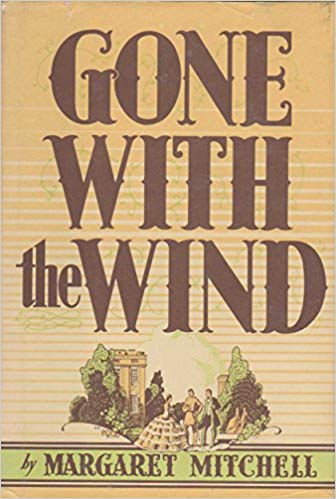

And finally, perhaps the most classic of the list—Margaret Mitchell’s Gone With the Wind, with its famous heroine Scarlett O’Hara in 1861 Georgia before, during, and after the Civil War. Scarlett is not at all the typical protagonist for a Civil War novel, nor is she the typical Southern Belle. With her quick thinking and perseverance, Scarlett never gives up despite all the challenges she encounters, and to the less-than-happy end she retains her determination, representing the true American spirit.


Storyline Slam: “Magic”

Get ready for some true storytelling magic to take place on Friday, July 19. Join Changing Hands Bookstore at their Phoenix location for another Storyline Slam where the theme is—you guessed it—magic.

Ten storytellers (drawn at random) will have six minutes to tell their own stories based on the theme.

With crowd judges, prize money, and an hour of magical stories, you won’t want to miss this latest installment of Storyline Slam.

Read more information here.

Location: The Newton, 300 W. Camelback Road, Phoenix

Date: Friday, July 19

Time: 7-9 p.m.

Ticket Price: $6 in advance; $8 at the door

Book Review

Bully Love by Patricia Colleen Murphy

Publisher: Press 53, April 2019
Genre: Poetry
Pages: 84
Format: Paperback
Buy Local

Summary

Winner of the 2019 Press 53 Award for Poetry, Patricia Colleen Murphy shares her journey from Ohio to Arizona in her latest book, Bully Love.

The collection offers glimpses into the harsh but beautiful Sonoran Desert, painful but important memories, and an unexpected but powerful love for landscape and people.

Amidst the many life changes—from Ohio twisters to Arizona monsoons, childhood to adulthood, and solitude to love—the poet examines how she finds peace and beauty in spite of hardships, including death and grief, as she leaves a broken home behind to build up a new life.

Thoughts

Although I consider myself to be more of a fiction junkie than anything else, a few poetry collections have found their way onto my bookshelves. Usually these collections sit on my shelves for years as I pick away at them one poem at a time. A poem here during a stressful finals week. A poem there to break up my reading flow during the hot summer months.

Reading Bully Love was a different poetry experience for me as I read it in its entirety (and even reread some of the poems) over a few short hours. I really appreciated the curation of this collection. Although each poem captures a specific scene or memory, they each clearly belong together to explain the poet’s transition from Ohio to Arizona. There’s a contrast between these two different landscapes that’s mirrored in other areas of the book: having parents and being parentless, being alone and finding a companion, remembering childhood and reflecting on adulthood. I think it’s this contrast in both the moments and scenery that tie the poems together and kept me reading.

I found the most haunting—and perhaps most revealing—poem to be “Tell Your Story Walking,” where the poet admits,

There are two ways to tell a story.

When I was fifteen you went mad and I saved you.

When I was fifteen you went mad and I never forgave you.

This collection embraces all of life—both the suffering and happiness it brings—bravely and without being timid. Although Murphy grapples with some difficult topics in many of her poems—such as loss, loneliness, and madness—the poems are still very digestible because of the imagery she couples these topics with. By sharing descriptions of the landscape and those who inhabit it, the poems make reflecting on life’s hardships feel more manageable.

As a fellow Arizonan hiker, I absolutely loved the landscape imagery and was even able to recognize some of the desert locations described. I think the writing brings the Sonoran Desert to life almost as a character of sorts. It was interesting to see how place, especially the desert, is so important to these poems. In fact, many of the poems’ titles are place names, reflecting the importance of the land in these shared memories.

I suspect that I’ll return to this collection soon—if not to read it in full, then to tuck a poem or two away for a stressful week, or a change of pace, or a reminder that unexpected beauty can be found even in hardship.

Desert Sleuths Panel: Getting that Novel on the Page

All readers are just one step away from being writers. If you’ve ever thought about being a writer but you aren’t sure how to make your dream into a reality—or even where to start—a panel of newly-published writers are coming to Changing Hands to explain how they went from dreamers to achievers!

Being the Phoenix chapter of the national women’s writing organization, Sisters in Crime, the Desert Sleuths panel is made up of local, published authors ready to support you in your writing dreams.

Find more information on Changing Hands’ website here!

Location: Changing Hands Phoenix, 300 W. Camelback Road, Phoenix

Date: Sunday, July 14

Time: 3 p.m.

Price: Free!

Book Review

The Reunion: A Novel by Guillaume Musso

Publisher: Little, Brown and Company
Genre: Thriller
Pages: 273
Format: Paperback
Publication Date: July 9, 2019
Buy Local
My Rating: 5/5 stars

Summary

25 years after his high school love’s disappearance, Thomas returns to his childhood home on the Côte d’Azur to prepare for his former prep school’s class reunion—and his inevitable arrest. 25 years ago, he and his friends, Fanny and Maxime, buried a body in the school’s walls. Their secret is secure until the school plans a demolition for renovations.

However, as the day for demolition draws closer, the three friends begin to discover that perhaps there are far more secrets about to be unearthed than just the body in the wall—and they are caught dead in the center of them.

From France’s #1 author, Guillaume Musso, The Reunion packs everything from friendship and betrayal to affairs and dangerously addicting plot twists. Without a doubt, The Reunion will leave you with one massive book-hangover. Luckily, you can grab another one of Musso’s great books right after. Hair of the dog anyone?

Thoughts

This was my first time reading a novel by Guillaume Musso, and all I can say is that I’ve found one of my new favorite authors. Because the book was originally written in French, I was expecting some of the story to fall through the cracks of the translation; however, I was blown away. The translation was absolutely brilliant, and it felt like no nuance was lost on the pages.

The Reunion is definitely unlike any thriller (or book for that matter) that I’ve read before; I started off feeling like I had the whole story figured out, but each page showed me just how little I knew. It was delightful to unravel the story with the main character, Thomas, and as the novel finished I couldn’t believe how much Musso was able to subvert my expectations of the classic “who-dun-it.”

While thrillers run the risk of feeling dated and dry with the same formula, The Reunion surprised me in the most incredible and exciting ways. I cannot sing high enough praises of Musso’s newest masterpiece!

Due to a few graphic scenes of violence and a some more mature subject matters, I would recommend this book to be read at a high school level or above.


Thanks to the author and publisher for providing an ARC in
exchange for this honest and unbiased review.

Book Discussion: Found in Translation

Changing Hands’ newest book club, Found in Translation, focuses on international literature to feed all book lovers’ appetites for travel, folklore, distant lands, languages, and foreign cultures.

This month, attendees will discuss Dorthe Nors’ Mirror, Shoulder, Signal over happy hour coffee, beer, or wine from First Draft Book Bar in the Changing Hands Phoenix location.

In the novel, Mirror, Shoulder, Signal, Sonja tries to set her life on track while overcoming obstacles including a sister who won’t return her calls and a wandering mind that keeps bringing her back to childhood memories in Copenhagen.

Read more about the event here.

Location: Changing Hands Bookstore, 300 W. Camelback Road, Phoenix

Date: Wednesday, July 10

Time: 7 p.m.

Book Review

Just for Clicks by Kara McDowell

Publisher: Amberjack Publishing, 2019
Genre: Young Adult Literature
Pages: 343
Format: Paperback
Buy local
My Rating: 4.5/5 stars

Summary

Though everyone on the Internet thinks Claire Dixon is “life goals,” she isn’t sure how long she can keep having her life on display—but with her mom Ashley’s famous blog and her twin Poppy’s commitment to their social media influence, she doesn’t feel like she has much of a choice.

With viral videos, stolen secrets, and critical choices, Claire navigates how to let herself be “just Claire.” This insightful read follows her journey to recognize that life shouldn’t be “just for clicks,” revealing that under the surface of this teen Internet star’s life is the depth of real emotions and the courage of personal discovery.

Thoughts

Being a twin from Arizona, I expected to relate to this narrative superficially; what I did not expect was to feel so much genuine emotion during what I assumed would be a light read. The heart-wrenching account with discovery of family and oneself felt powerfully real.

I thought that the themes and messages were particularly relevant and poignant. Claire, the narrator, provides an honest look into a high schooler trying to find her own identity through all the likes and texts.

Beyond suggesting that no online profile, no matter how perfect, provides an accurate picture into reality, Claire’s journey explores the choices that each of us as young adults have to make in today’s society, including when to go with family and when to find your own path, when to forgive and when to say no, when to make eye contact, and when to press delete.

For anyone familiar with the experience of high school in the Valley of the Sun, this book will be a treat for its accurate portrayal of Gilbert and the surrounding area. The descriptions are both strikingly beautiful and impressively accurate.

5 Most Readable Coffee Shops in the Valley

There are very few pleasures that rival finding the perfect coffee shop—whether that’s to read, write, convene with pals, or just sip on your favorite order, finding your coffee spot is one of life’s small-but-mighty pleasures. But in my experience, despite having a favorite go-to coffee stop, the place where I want to crack open a new book or thumb through some well-worn pages changes depending on my mood. And you know what, guys? That is okay. So for those of you who are itching to find new spots to read your favorite book, I’ve put together a comprehensive list of the 5 most readable coffee shops in the East Valley. Oh, and don’t worry; I’ve personally tested them all. What can I say? It’s just part of the job.


King Coffee, Tempe, AZ. Located just off of Mill Avenue and University, King Coffee is the perfect spot for those who want to stay close to ASU. Complete with cozy study nooks and tons of seating, you’ll feel right at home as soon as you walk through the bright orange door. And did I mention the coffee? Phe-nom-e-nal. Positively. While everything there is so (so) good, I personally recommend their almond milk lattes. Open from 7 a.m.-7 p.m. Monday through Friday and 8 a.m.-7 p.m. Saturday and Sunday, King Coffee is a must-try; I guarantee it’ll become a household name.


Sozo Coffeehouse, Chandler, AZ. With cozy couches, table seating, crazy-good-coffee, and live music/events scattered throughout the week, Sozo Coffeehouse is an absolute gem of a coffee shop in the Valley. Whether you’re looking to curl up in an armchair with an Agatha Christie detective novel or gather your book club together, Sozo is a most quiet, calming, and inspiring environment. Open Monday through Saturday from 7 a.m.-10 p.m., it’s the perfect spot for connecting with a good read or with good friends. You can check out their calendar here for a list of their upcoming events that support local artists.


Royal Coffee Bar, Tempe, AZ. Royal Coffee Bar packs a powerful punch in a bite-sized space. Located just off of ASU’s Tempe campus, it’s a great place to grab a dirty chai between classes while you read those textbooks. Or fun books. Or both, because life is all about balance. Geared towards busy college students, there are plenty of outlets along the coffee bar and even outdoor seating for when the weather isn’t sweltering. They serve their signature European style coffee from 7 a.m.-6 p.m. Monday through Friday and 8 a.m.-noon on Saturdays. Family owned and absolutely charming, Royal Coffee Bar will make for an unforgettable coffee experience.


Cartel Coffee Lab, Tempe, AZ. Boasting some truly industrial (and good) vibes, Cartel Coffee Lab’s Tempe location is a mere 10 minute walk from ASU’s campus. Their signature coffee roast delivers a bitter and smooth flavor, making their drinks a lively addition to any current read you bring along. Deceivingly small at first, Cartel’s versatile seating wraps around behind their coffee bar with tables, benches, and just about everything in between. With an effortlessly cool atmosphere, all of you bookworms will feel right at home turning on your headphones and diving headfirst into a good book. Open daily from 7 a.m.-10 p.m., Cartel will become your new favorite hangout.


Black Rock Coffee Bar, AZ. Clocking in at multiple locations around the valley (my personal favorite being Power and Ray!), Black Rock Coffee Bar strikes the perfect balance between edgy and insanely inviting. With strong and smooth coffee that is roasted in-house, everything from their Americanos to their signature Caramel Truffle is truly magnificent. Not only that, but each location offers a great amount of seating at both gorgeous wood tables or comfy leather chairs and couches. Harboring down-to-earth employees and killer playlists, Black Rock is the perfect place to read, study, or make new friends. Each location is open 5 a.m.-9 p.m., so, whether you’re an early riser or an up-all-nighter, Black Rock will never disappoint.


Book Review

Giovanni’s Room by James Baldwin

Publisher: Vintage, 2013
Genre: Literature
Pages: 176
Format: Paperback
Buy Local
My Rating: 5/5 stars

Summary

When David’s girlfriend Hella flees the country without answering his marriage proposal, his life is plunged into emotional and financial turmoil. Left alone in Paris in the 1950s, he must find a way to support himself while his father denies him money in hopes of pressuring him into returning to the United States. For a season, David finds refuge in the apartment of a handsome Italian bartender named Giovanni. The two men begin a romantic relationship that plunges David into a moral crisis, dredging up an identity he had been running from. Ultimately, their affair is full of discovery, dependency, and loathing—coming to an inevitably tragic end.

Thoughts

What I most enjoyed about this book is how it fearlessly grapples with the topics of sexuality and masculinity. David and Giovanni’s relationship is enshrouded in a secret—David’s would-be-fiancé Hella—from the beginning, predestining it for a short lifespan. Further complicating their affair, societal pressure weighs the men down and warps their perception of one another. Simultaneous to this relationship playing out, Baldwin presents a secondary character who questions the reader’s view of masculinity: the always sharply dressed Guillaume, a man wealthy enough to force the young men who work for him—like Giovanni—into doing whatever he wants at risk of losing their jobs and having their reputations ruined. While Guillaume is not a particularly appealing character, there is no doubt that he has agency, a revolutionary concept—especially in 1956–for a homosexual male character who is not masculine presenting.

Baldwin furthers the work’s modern sensibilities, and my delight, by perfectly illustrating the “it’s complicated” relationship status on Facebook. Though this is not David’s first same-sex encounter, he finds himself blaming Giovanni as if he has been taken advantage of. This blame leads him to a personal affirmation that their affection for one another is unnatural, driving a wedge between the two men and highlighting the damage that shame and guilt can cause if woven into the emotional tapestry of a relationship; a theme that is universal beyond same-sex relationships, making this novel more accessible to a wider audience.   

What resonates most with me about this book, however, is how it examines the cost of living life authentically. David knows that he desires Giovanni more than anything else, and yet, for a chance at normalcy, he must deny his authentic self; Giovanni is a working-class immigrant who is running from normalcy in hopes of finding his authentic self; and Hella wishes to be an independent woman, but also feels that she cannot take full advantage of life without living in a traditionally domesticated way. These internal struggles showcase the damage that denying our authentic self can cause—not only internally, but to those nearest to us as well. 

Full of beautiful language and rich emotional landscapes, Giovanni’s Room is an incredibly accessible read and comes in at less than two hundred pages—making it a perfect addition to your pride month reading list. 


Guest blog post courtesy of Edward Dolehanty.

How to Navigate Bookstagram Lingo: A Glossary

Whether you simply enjoy interacting with bookish Instagram accounts or you’re an emerging Bookstagrammer yourself, you may have come across some unfamiliar terms or abbreviations. With social media, these acronyms are always evolving, so don’t feel embarrassed if you find yourself confused reading Bookstagram captions! We’ve prepared a mini glossary to help you navigate the niche lingo of the Bookstagram world.


Book Hangover:

If you love reading, you’re probably already familiar with this feeling. A book hangover describes the sadness or emotional distress you feel after you’ve finished a great book. Usually, you have a hard time transitioning back into reality after enjoying the fictional world of your last read. You might even have a hard time starting a new book when you’re in the middle of a book hangover. This term is often used jokingly in Bookstagram stories.

Bookstagram:

So, what is Bookstagram, anyway? Bookstagram is a category of Instagram accounts that cover bookish material, just like us! Bookstagrammers can be book bloggers, book critics, or people who just love to post about the books they’re reading. It’s a great online platform to discuss, review, and discover new books.

Book Title Acronyms:

Bookstagrammers commonly use acronyms to discuss books they are reading. This shortens the book title, but—of course—this can be very confusing for beginners! We’ve gathered a sampling of acronyms we’ve commonly seen on Instagram.

  • HP = Harry Potter
  • THT = The Handmaid’s Tale
  • ACOTAR = A Court of Thorns and Roses
  • ACOMAF = A Court of Mist and Fury
  • ACOWAR = A Court of Wings and Ruin

CR:

CR stands for current read. Many bloggers will use this abbreviation on their bio descriptions so you can see the book they are currently reading. So, if someone’s bio reads “CR: THT,” that means they are reading The Handmaid’s Tale at the moment. (And probably preparing to watch Hulu’s dramatic spinoff series!)

DNF:

DNF’s are the books that readers did not finish. Bookstagrammers usually use this term in their stories to explain that the book wasn’t captivating enough for them to finish. If a reader posts, “this book was a DNF unfortunately,” that means you won’t be hearing the bookstagrammer’s review anytime soon—they’ve abandoned the book for something that fits their reading preferences better.

MC:

MC’s are the main characters of the books you are reading. Careful! This is not to be confused with emcees (also spelled MC’s), who are masters of ceremonies in the rap and hip hop world.

OTP:

OTP’s, or “One True Pairings,” are fictional couples that you love and root for. On the other hand, NOTP’s (pronounced No-TP’s) are the fictional couples that you wish would just steer clear of each other. You don’t approve of NOTP relationships.

POV:

You might recognize this term from your junior high school years. POV stands for point of view, or the perspective from which the story is told.

RTC:

When a bookstagrammer marks a title as RTC, this means that there’s a review-to-come. Once the reader has finished the book, they will share their thoughts with you so you can decide if you want to research the title further.

Shelfie:

A shelfie combines the words “shelf” and “selfie.” Yup, you guessed it! Shelfie posts are photos of readers’ bookshelves. Shelfies can range from very simple bookshelves to highly decorated and curated shelves. #sheflie is a fun hashtag to follow if you’re looking for some design inspiration for your reading room.

TBR:

Do you know that pile of books you’ve always meant to read but haven’t had a chance to start yet? That’s called your TBR list (or to-be-read list). If you’re like us, this list grows longer every single day!

WIP:

If you follow a bookstagrammer who is also an author, you might notice them talking about their WIP. This is the story they are currently writing, also known as their work-in-progress.


We hope this glossary helps you navigate the unique lingo of Bookstagram the next time you open up Instagram! In the meantime, be sure to finish up your CR so you can tackle that ever-growing TBR list!