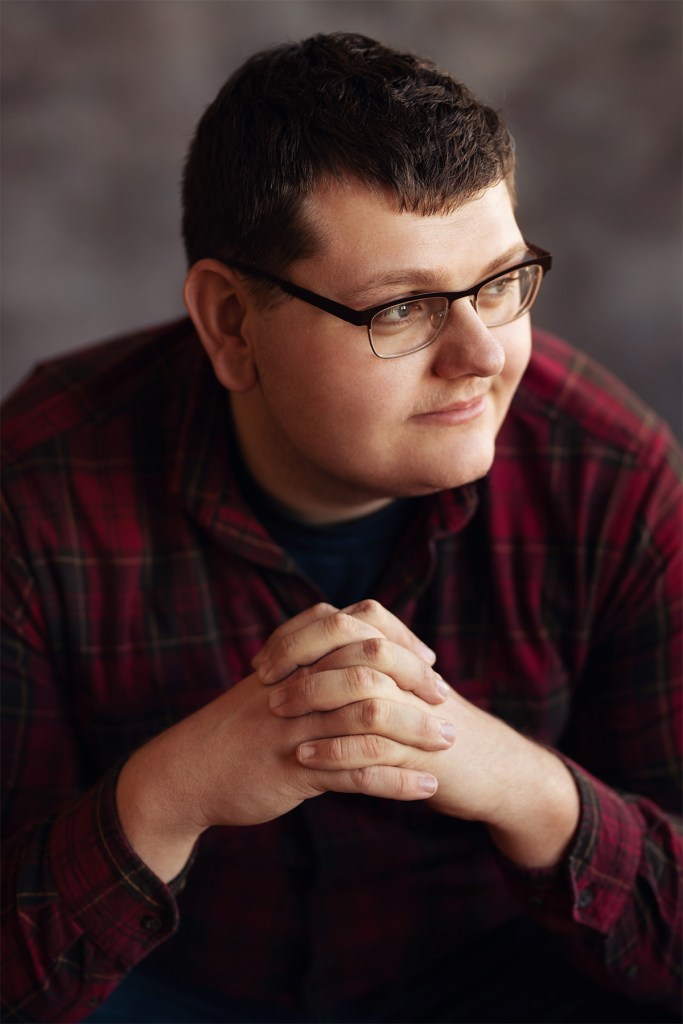
Author Interview with Hunter Codner

During brunch a few weeks ago, I was gifted a new book by a friend for my reading pleasure. The New Deep by Hunter Codner was emblazoned on the front cover. Any day that begins with the collection of a new book is a great day to me and to many fellow bibliophiles, but what my friend said next changed the context of this particular book: it was written by a coworker of my husband.

It’s not unheard of for book lovers to be avid writers as well—for many it’s our dream to write that novel, build our own world, tell our own story, and the biggest step towards that goal, in the words of Stephen King, are to “read more books.” So I took a second long, good look at this new book in my possession. At the fabulous artwork on the cover, at the professional matte paperback finish of it, and finally at the name of the author, which suddenly rang a bell to me as an individual my husband had mentioned speaking and working with. For me, it hit close to home: it made the goal of publishing a novel so much more real and tangible. I took it home and, with a stack of TBR books on my nightstand, I devoured The New Deep in one evening, late into the night. I was enamored with the rich characters and sci-fi world of Hunter’s debut novel, and in addition to wanting to tell the world about the success and triumph of an acquaintance from our very own neighborhood, I had a need to ask him about how he went about making “the dream” happen. So as follows is my interview with the author of The New Deep, and I hope that his story provides some ideas for my fellow writers considering the avenue of self-publication, and inspires you to check out Hunter Codner’s excellent new addition to the science fiction genre.


  1. Did you always set out to write and publish a novel? 
    I’ve wanted to write a novel for a while now, but I never got past the world-building stage. I finally decided to push through and do it after I went to Gen Con last year and saw all the folk in author’s alley. From there, I knew that I wanted to write and publish a book.
  2. What was a big motivator for you to develop your idea and pursue a novel-length story?
    There were two enormous motivators for me to push through with the story. One was that I knew I absolutely wanted to write a book and share it with people. The second was that I had been working on my science fiction world for over a decade and finally had the drive to do something with it. Then inspiration struck—surprisingly, not from any science fiction source but from D&D. I had this idea of a spaceship that wasn’t really a ship but instead a giant mimic, and I went from there.
  3. What were some of your biggest challenges?
    One of the largest challenges was striking a balance between my job, my hobbies, and trying to write. After finding that balance, I hit a hard wall about fifteen thousand words into the story. I had to eventually just take time off work so that I could push myself over the wall and finally finish the story.
  4. When you finished, what were your first thoughts?
    I didn’t really believe it, but I was also super pumped—not as much as my husband, though. It was like being on a super tough hike, and finally, I had reached the first significant milestone. Right after I finished, I started researching about the next steps for the process.
  5. How did you begin the proofreading/editing process, and how did you get in touch with an editor?
    For an editor, I lucked out in that I had a friend who wanted to become an editor and was going to school for it, so I offered my book. Unluckily for her, I’m a new author, and at that time, I was even less knowledgeable than I am now and just sent her first draft, untouched. Bless her heart, she was patient with me and worked with me for almost an entire year and through many drafts/revisions until we had a workable product.
  6. What motivated you to pursue self-publishing rather than using a publishing company?
    I decided on self-publishing after I finished the first draft, and I saw it was only the length of a novella (after the editing process, it did reach novel-length). I didn’t think that a publishing company would want to take up a thirty-thousand-word story from a new author (and after some research, I was correct). After researching self-publishing, I realized that Amazon had made the process so easy that there was no real reason I shouldn’t.
  7. What was your biggest source of information for the process of self-publishing?
    Oh man, the site two sites I think I visited the most were Reedsy and the Kindle Direct Publishing main site. Reedsy is a great blog with articles about writing and publishing that really helped me figure out the process and things I needed to get done. The KDP site has an FAQ section that goes through everything. They cover not only the things you need for publishing through KDP, but also guides on typesetting, layouts, and cover design. Besides those two though, there are so many different sources of information for people wanted to self-publish: one quick Google search, and you’ll have a tsunami of useful info.
  8. How did you go about choosing the designs and getting copies of your book printed?
    Lucky for me, my husband is a graphic designer and artist. He insisted that not only did he want to draw the cover of the book, but also draw chapter art. Later, when I was typesetting and laying out the interior of the book, he also found me a great font to use for chapter headings and cover. As for physical copies, surprisingly, Kindle (Amazon) does that as well, and it’s pretty straightforward. While I highly recommend hiring someone to layout out your book, Amazon does have step-by-step guides on how to properly layout your book for print.
  9. What has been the most rewarding thing about self-publishing your first novel?
    The most rewarding moment was when I finally hit publish for the physical copies on Amazon. I had spent maybe a week and a half working on the layouts for the book, then uploaded them and ordered my proof copies to make sure everything was ready to go as we believed. Thank God we did. In the flurry of getting the book ready to publish, I had missed so many tiny things that it made the book look sloppy. My husband, editor, and I spent a weekend pouring back through the book—both digitally and physically—until we felt that we had caught everything. So, when I finally hit publish the next weekend, it was a sigh of relief.
  10. What advice do you have for other writers? Would you suggest for them to pursue self-publishing?
    My advice would be that no matter how ready you think that the first draft is for someone to see, it’s not. Don’t send anything before the third draft to an editor, and look for some good honest beta readers to look at your story, too. As for self-publishing, I suggest going through the process even if you don’t plan on hitting publish, just so you know each point of the process of publishing a book.
  11. Lastly, we like to ask all of our featured authors to share their current read.
    Sure, currently I’m listening to the audiobook version of the first Redwall novel.
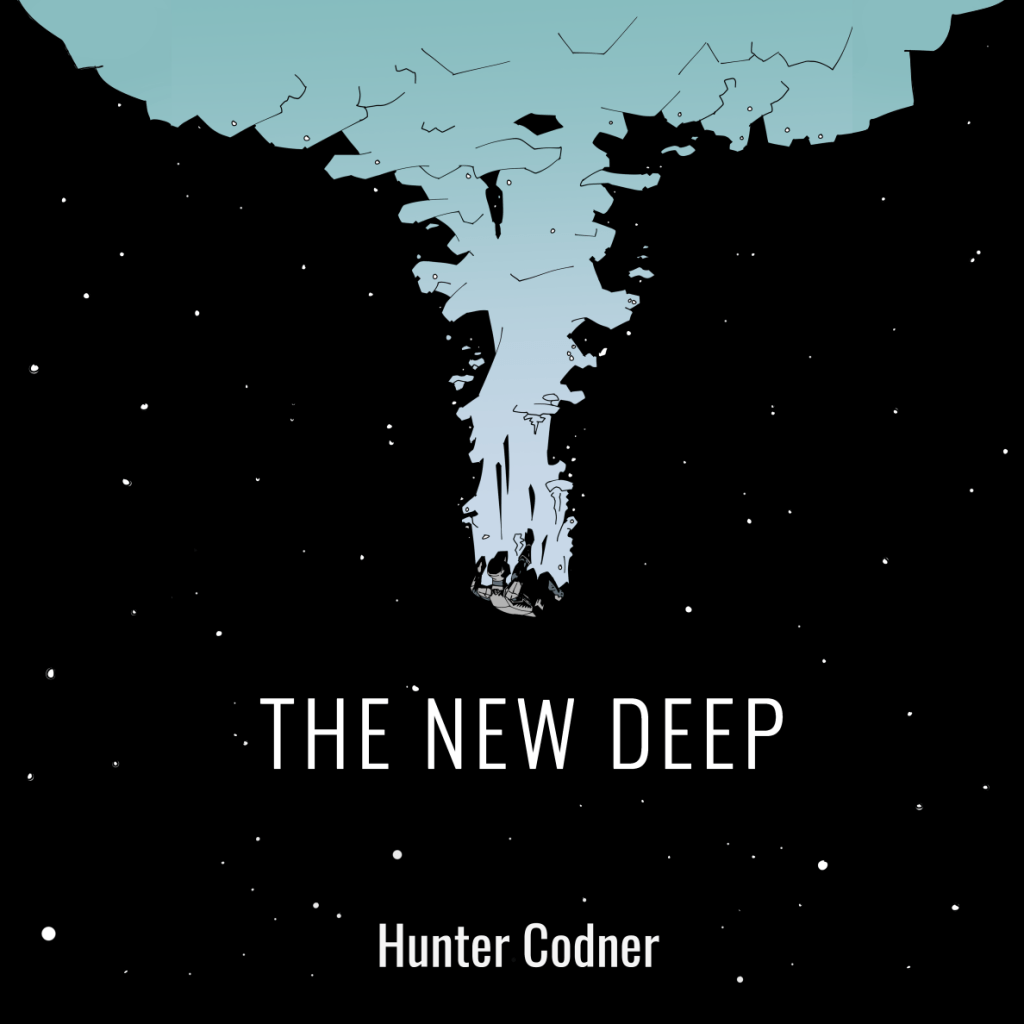
You can purchase Hunter Codner’s debut novel The New Deep at Changing Hands Bookstore here.


Thank you to the author for providing this ARC in exchange for an unbiased review.
Practicing The Craft: 4 Books to Help You Become a Better Writer

As NaNoWriMo comes to a close for another year, many writers are celebrating their 50,000 word successes. What does it take to keep going for a full 30 days of writing 1,667 words per day? A little inspiration, motivation, and a lot of perspiration. Many, yours truly included, have turned to craft books this year to get a little nudge, and learn more about what it takes to create a great story.

For those seeking some inspiration and deeper knowledge about their craft, here are four books specifically written to do just that. These authors will lend support, motivate, teach technique, and at times be that friend over your shoulder whispering “you can do this!” It is never too early to get the jump on next year’s NaNoWriMo challenge!


On Writing: A Memoir of the Craft—Stephen King. You will see King’s book On Writing in just about every list that has anything to do with advice for creative writers. The dedication page sums up the tone of the book as King quotes Miguel de Cervantes, “honesty’s the best policy.” King sets the reader up for a no-holds barred look at the craft of writing. Part memoir, part instruction manual on how to write well, King is unflinching with details on his own personal journey and the demons that have accompanied him. His writing advice is similarly honest, and he uses examples from well-known authors to make his points. My favorite piece of advice is one that you have probably heard (but honestly, I don’t think a writer can hear enough) is, “read a lot and write a lot.” Despite what writers desperately want to believe, King claims there is no shortcut. On Writing is a humorous and honest look at what goes on behind the scenes.


Naming the World: And Other Exercises for the Creative WriterEdited by Bret Anthony Johnston. With acclaimed authors such as Joyce Carol Oates and Tom Robbins, Naming the World has some serious writer power. Broken up into sections to tackle such topics as getting started, dialogue, character, point of view and tone, this book unleashes the advice of many different writers coming from a variety of genres. At the end of each short piece is a writing exercise to practice what you may have just learned—and let’s just say that my copy is highlighted and annotated to death.


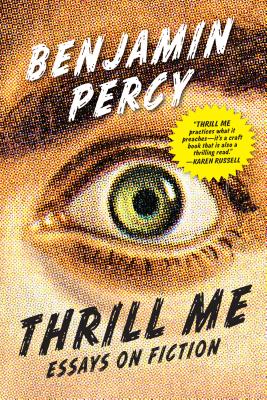
Thrill Me: Essays on FictionBenjamin Percy. With a biting sense of humor, Benjamin Percy implores writers to do what he was advised to as an emerging wordsmith: “Thrill me.” Through a series of well-curated examples including literature, film and television, Percy breaks down the finer aspects of writing. Through the examination of such topics as activating setting, using lyricism to create beautiful literary music, and creating the perfect balance of peaks and valleys to pace a story, Percy can help you fine tune that work that just isn’t, well, working.


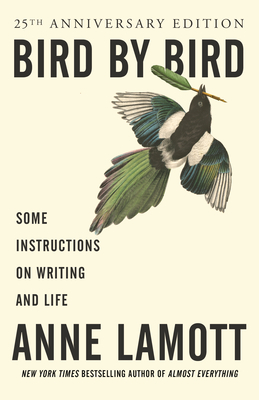
Bird by Bird: Some Instructions on Writing and LifeAnne Lamott. If you only read one section out of Anne Lamott’s book, Bird by Bird, let it be “shitty first drafts.” Particularly helpful for the perfectionist in all of us, Lamott begs writers to shed their inhibitions and just get it down on paper. She gives permission to play without fear of consequence (or later editing)—because playing is where the really great work happens! Through personal experiences, she guides the writer through various stages of writing a story including the shitty first draft, but goes deeper into the psyche. By offering thoughts on writing groups, finding your own voice, and even the ugly green-headed monster, jealousy, she tackles what goes on in the mind of a creator. Lamott also addresses creative nonfiction writers, and Bird by Bird doles out some serious inspiration and craft advice, with a dash of humor.


So…what are you waiting for? Grab a book or two, and start hammering away at your next great story or essay. As Jodi Picoult says, “You can’t edit a blank page!” Happy reading and writing!

Book Review

The Bone Shard Daughter by Andrea Stewart

Publisher: Orbit
Genre: Fantasy
Pages: 448
Format: Hardcover
Buy Local
My Rating: 4.7/5 stars

Summary

Ages ago, the Empire was saved from the clutches of the tyrannical Alanga by the ancestors of the current ruler. But a new evil looms over the islands.

The emperor is slipping. He is leaving more and more administrative responsibilities with his constructs—magical automata created from parts of human and animal carcasses. These constructs can be programmed to follow any sequence of commands. But they are powered by bone shard magic.

Every year, young children of the islands are rounded up for the Tithing festivals. A small shard of bone is taken from each child’s skull and stored in the emperor’s vault. One day the shard might be used to power a construct. Then the owner of the shard will start to feel their life leaking out of them slowly until years later they die.

On the Imperial Island, Lin, the emperor’s daughter, suffers from amnesia after an accident. She knows her father is failing to protect the people of the empire. She wants to become the next emperor and save the empire, but she must regain her memory before the emperor can trust her to be an effective ruler. Meanwhile, she has to wait and watch Bayan, the emperor’s foster son, get trained to be the heir.

Jovis, an infamous smuggler with a price on his head, is out on a boat after finding a clue that might lead him to his missing wife. He plans to search every island and every other boat in the Endless Sea till he finds her. But he inadvertently rescues a boy from a Tithing festival and finds himself the new face of hope for parents and guardians of young children.

On Nephilanu Island, Ranami and Phalue are struggling with their relationship. Ranami steps into a dangerous path to alleviate the condition of the people of the island; a path on which Phalue, as the governor’s daughter, cannot easily meet her. Phalue is empathetic but obtuse due to her privilege. She sincerely believes the tax and ownership rules imposed by her father on farmers are fair. But she is scared of losing the love of her life, so she decides to risk her position and her father’s trust by reluctantly joining Ranami in her mission.

Thoughts

As the first book in a trilogy, this post-adolescent fantasy novel is inviting and engaging. I found the concept of using bone shard magic to power constructs particularly fascinating because it sounded like an ancient form of artificial intelligence. The engravings on a bone shard determine the commands that the construct will follow. These engravings can be combined in different ways to form a more complex set of instructions. This is just like programming an AI agent!

The young adventurers in this story are all interesting in different ways. They have had a variety of experiences and each one has a unique skillset. Their names suggest their ethnicities also differ slightly, which is uncommon in a medieval-based fantasy novel.

The backdrop of the story is an empire on the verge of collapsing into anarchy. Against that, the dialogues on social justice and equality taking place in the story make it clear that the narrative has a strong inclination to democratic principles. The dynamics between the monarchy and the revolutionary element among the people will make the next two books interesting to read, especially if new forms of magic are introduced. It would also be interesting to meet new characters in the next book. I am looking forward to the sequel.


Thank you to Changing Hands Bookstore for providing an ARC
in exchange for this honest and unbiased review.
4 Heartwarming Books to Improve Your Mood

If you’re anything like me, you may be feeling stressed about the current state of the world. To start, there’s a global pandemic. To complement that, there is a lot of global unrest and political tension. Sometimes reading news headlines makes me want to curl up into a little ball and hide under my bedsheets. Sometimes it seems like we’re in dire need of some humanity and compassion—and there is seemingly little to be found. 

Because of my current mental state,  I’ve recently found myself looking for little sparks of positivity. By doing this, I hoped to balance out the negativity of both world events and the minor inconveniences of everyday life. Naturally, I turned to books. I often find that fictional stories not only prove to be a pleasant escape from reality but also offer a glimpse into the truths of human emotion and love. By living vicariously through story book characters, I’m able to examine how deeply I feel and what resonates with me in regards to the emotions of the characters. This way, I’m able to re-evaluate my life using a brighter perspective. I often finish stories feeling more empathetic and with more peace of mind than I had when I started reading. 

That being said, I’ve selected a few heartwarming novels that have made a positive impact on my life, often in more ways than one. If nothing else, they’ve helped me view life through a more optimistic lens. The following is a compilation of a few stories that are sure to improve your mood: 


The Matchmaker—Catriona Innes. Caitlin lives in her own world. It’s seemingly perfect, but, in reality, it is riddled with fallacies. This story follows Caitlin as she explores who she is, with focus on the time of social media and dating apps, when it appears as though we have never been more connected yet more isolated. The Matchmaker is a story about love, loss, and loneliness, and learning to accept your reality. It is an uplifting novel, and Caitlin’s character and her progression are sure to win your heart. 


Fangirl—Rainbow Rowell. Fangirl is the story of two twin sisters named Wren and Cath who have suffered the misfortune of growing up without a mother. Their father is also absent for most of their lives, and they cope with this in different ways. Cath is an introvert—she is content to live in the world of the internet and her books. Her sister, Wren, is also her best friend. The story follows the two girls as they embark on their first year of college, as they are faced with the need to adapt. This story is a great pick for anyone who enjoys a genuine, funny, and charming novel. 


A Man Called Ove—Fredrik Backman. This book was recommended to me by my Grandma. I was hesitant to read it at first because it didn’t immediately pique my interest. However, once I started reading, I couldn’t stop. It’s almost impossible not to be enveloped in the story of Ove, an ornery old man who has all but completely given up on life. He is retired, has a short temper, and arguably has way too much time on his hands. He uses most of his spare time to enforce block association rules that no one else cares about. He also occasionally visits his wife’s grave. Although the story starts out looking rather bleak, the novel gains traction when an energetic young family moves in next door and accidentally flattens Ove’s mailbox. In the aftermath, the family and Ove develop a sincere and caring—albeit sometimes dysfunctional—relationship. This story is amazing for anyone who needs a smile, or even some hope. 


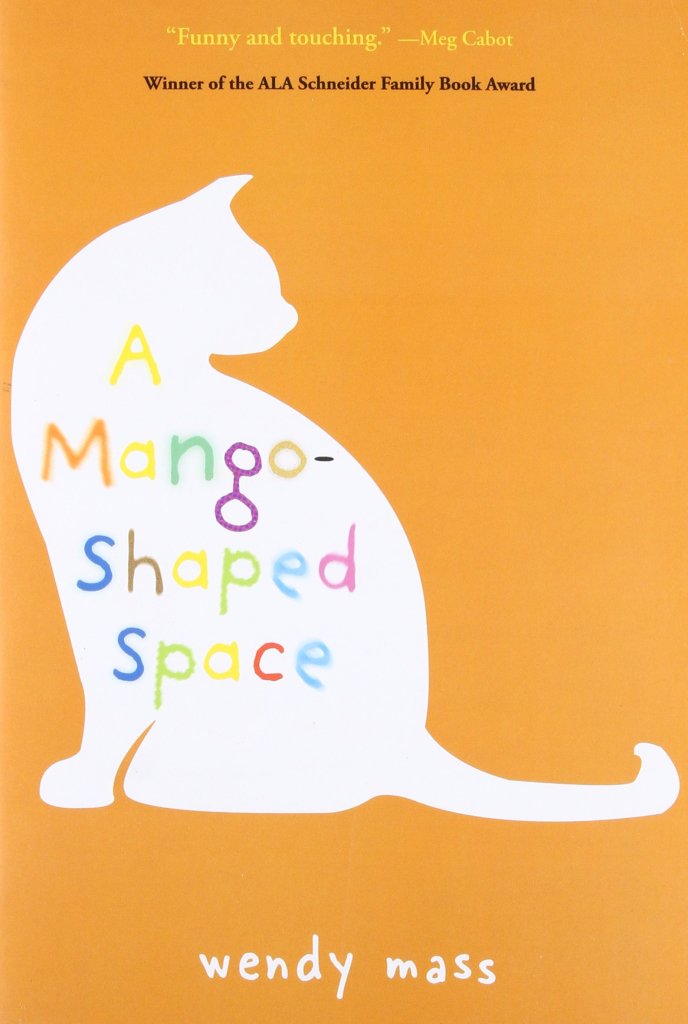
A Mango-Shaped Space—Wendy Mass. Mia Winchell is a girl who has just entered adolescence. However, she struggles with things far beyond the typical trials of becoming a teenager, such as puberty and romance. Instead, Mia lives with synesthesia, which can be described as a confusion of the senses. For example, to Mia, words and sounds appear to have color. The novel circulates around Mia’s experiences with synesthesia and the problems she faces in school and with her friends. In learning to overcome something most people her age (and most people in general) don’t know about or understand, she navigates finding her voice and place in the world. I would recommend this book to anyone who feels stuck or needs a pick-me-up.

Book Review

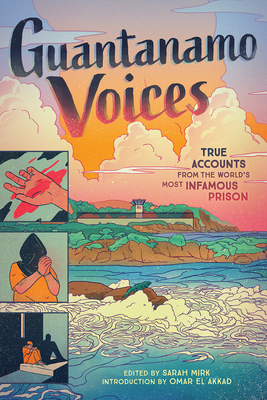
Guantanamo Voices By Sarah Mirk

Publisher: Harry N. Abrams
Genre: Nonfiction, Journalism, Anthology, Graphic Novel
Pages: 208
Format: Hardcover
Buy Local
My Rating: 5/5 stars

Summary

Guantanamo Bay is often regarded as the world’s most infamous prison. Some believe it to be a place of unspeakable suffering that America continues to justify. Others hold firm to the belief that those held in this former refugee camp are criminals who deserve to remain there. But what was it like for the soldiers, prisoners, and lawyers who worked closely with this infamous prison?

Sarah Mirk, a multimedia journalist whose work focuses on sharing diverse human-focused stories, shows us what it was like by detailing nine accounts from inside Guantanamo Bay. From the conflicting emotions of those who worked at the prison, to the abuse and daily struggles of the prisoners as they fought to return home, to the lawyers and advocates who fought day and night to free them, this anthology strives to provide readers with a nuanced perspective of one of America’s most complex and controversial institutions.

Thoughts

I came into this book with my own opinions on Guantanamo Bay already formed and fully expecting this book to agree with them—as such I was pleasantly surprised when this book not only subverted my expectations, but left me questioning my views. Sarah Mirk’s diverse collection of interviews allowed this book to address all aspects of Guantanamo Bay and brought a humanizing element to a story that is often viewed in black and white terms. I firmly believe that anyone, whether in favor of Guantanamo Bay or not, could benefit from reading Guantanamo Voices. Those who believe that Guantanamo Bay is a prison for only the worst of the worst would greatly benefit from hearing the story of Moazzam Begg, a Guantanamo prisoner who was held for three years without ever being charged with a crime while his wife and children were left behind. By the same token, those who condemn those who work within Guantanamo would benefit from hearing the story of Matt Diaz, a Navy Veteran who struggled with his duty as a soldier and his personal belief that what they were doing in Guantanamo Bay was wrong. Regardless of belief, Guantanamo Voices is written so that anyone can gain perspective into the controversial history of Guantanamo Bay.

One of the more unique aspects of this book is that it is written in a graphic novel format. This uncommon format for a nonfiction book is utilized to show the different perspectives of each interview, as each section has a slightly altered art style to reflect the different perspectives. This gives each interview its own sense of storytelling, allowing for the distinctions of each person’s story to shine through. This style also allows for a visualization of the treatment of the prisoners, allowing for some truly heartbreaking scenes. The one that sticks with me the most is from Moazzam Begg, who was imprisoned while his wife was three months pregnant. He breaks down crying after a soldier informs him that his wife gave birth without him present, and the imagery in the scene is incredibly powerful.

The first and last chapters of this book detail Sarah Mink’s personal trip to Guantanamo Bay. While not as emotionally stirring as the other stories told in this book, it does provide a look into Guantanamo Bay today. The secrecy and isolation of the base helped me to understand the isolation described in the interviews, and showed just how frightening Guantanamo Bay really could be. These sections also helped establish Sarah Mink’s journey from hearing about Guantanamo Bay to interviewing those who were involved, and finally visiting Guantanamo herself. Her personal journey comes full circle within these two chapters, giving the book a sense of narrative rather than just consisting of a collection of interviews.

Guantanamo Voices fully embodies the complicated factors that lead to places like Guantanamo Bay. It tackles the fears created by 9/11, the pain of the prisoners who lost decades of their lives, and the struggles of those on the outside to spark any policy change. I rarely step outside of my personal tastes in books, but I am so glad that I did, because Guantanamo Voices‘s human perspective on an often controversial and divisive topic truly touched me, and I look forward to seeing what other topics Sarah Mirk may choose to address.


Thank you to Changing Hands Bookstore for providing an ARC
in exchange for this honest and unbiased review.
Impact of Romance Novels on Young Readers

Twilight. Divergent. Matched. Pride and Prejudice. Romeo and Juliet. These stories are classics; known by readers everywhere for their intricate detail and swoon-worthy love interests. However, is it possible that these stories have ruined the young reader’s current perception of relationships?

I’ve thought a lot about the role of YA romance novels in the last couple years. I once praised the gooey-feel-good, yet often simplistic plot line of romantic comedies and the “bad boy/good girl” archetype I read throughout my tween and teen years. While these books are wonderful for many reasons, I couldn’t help but realize as I got older that the protagonists were much younger than myself, and yet they had their life easily figured out by the end of 300 pages. This led me waiting throughout my teen years to be older; but as I grew into my late teens, I found the end of high school didn’t mean the completion of my self development—and more importantly—no attractively mysterious love interest would randomly come into my life. 

In a blog post about why they hate YA novels, Vivian DeRosa discusses two important points surrounding the typical themes within teen-romances: first, teenagers are inherently awkward, underdeveloped, and immature people; second, YA relationships are pure fiction. I don’t think there is a single person who looks back at their early teens and thinks they were at their peak. Being a teenager, even well into someone’s twenties, is awkward both physically and mentally; developing into who we are and finding who we want to be is a lifelong process that doesn’t conclude when one problem is solved. It is difficult for young adults to read these iconic stories and not receive the impression that they are supposed to be stunningly attractive and fully mentally developed, especially when Hollywood casts older actors to play these characters. It is impossible to think that 16-year-old Tris, while just beginning to understand her “Divergence,” could possibly build an actually sustainable relationship with Four. Or that 17-year old Bella not only found true love with a 104-year-old Vampire but gets married and fights in an ancient feud between the vampires and werewolves all while still in high school.

To this point, “YA tends to treat teenage relationships like they’re going to last forever. Many epilogues show the main character and their love interest happily married. But that’s not how most teen relationships shake out…” (DeRosa, 2017). Most teenagers are focused on typical high school and young adult things, and if they are in a relationship usually it doesn’t develop into a life-altering love story that will take precedence of their life and last forever. However, these stories have young readers believing that not only are relationships purely built on “finding the one,” but that there is no effort involved in finding, cultivating, and sustaining an actual romantic relationship. This thought process is detrimental to the perception of good relationships because it doesn’t offer the difficult perspective of how much work and time relationships actually take; it gives young readers a false foundation that life is just like these stories and all two people need is an attractive counterpart and one very passionate kiss.

Additionally, the perception of love through not just YA romance novels but all romance media is dangerous for all genders and sexualities. Because while Twilight, Divergent, and Romeo and Juliet are all coming of age stories where the protagonist’s journey takes the reader on one of self discovery as well, these mediums are often excluding the storylines of non-cis gendered, racially diverse, or gay protagonists. That a male protagonist without abs might fall in love with another male, female, or nonbinary peer who might have a diverse set of beliefs or culture is almost unheard of in YA romances, while today this is the reality of relationships. These stories, while considered classics, cater to a specific female fantasy—and without the diversity of representation, there is a whole population who may either lack a well-rounded understanding of relationships and/or see love as an unreachable fantasy.

This is not to say that these stories aren’t good. They are. There is a reason why Shakespeare’s Romeo and Juliet is continuously taught and referenced through different mediums; why John Green’s “Okay? Okay.,” line reference has taken off with readers; and why the promotion of “sparkly, chiseled-abed vampires” has become a teen cliché. These stories are beautiful, incite strong emotions, and are oftentimes powerful. Despite having contradicting emotions about the genre, I still love and appreciate these stories. Don’t stop reading them, but don’t take them as a bible to your literary world. Teach each other that these books are not a guide for how to look, act, or love—and, most importantly, expand to local and diverse authors dedicated to telling the story that is not only special but realistic. In this way, we can indulge in the beauty and power of love, but remember that love is nothing without a relationship—which is often much more complicated than 300 pages would suggest.

Aviles, G. (2019, March 10). The rise of young adult books with LGBTQ characters – and what’s next. NBCNews. https://www.nbcnews.com/feature/nbc-out/rise-young-adult-books-lgbtq-characters-what-s-next-n981176

DeRosa, V.P. (2017, June 21). I’m a teenager and I don’t like young adult novels. Here’s why. Huffingtonpost. https://www.huffpost.com/entry/what-ya-gets-wrong-about-teenagers-from-a-teen_b_594a8e4de4b062254f3a5a94

7 Books to Teach You How to Write a Memoir

Maybe you have a story to tell. Maybe you want others to know they’re not alone. Maybe you want to write a memoir.

Writing about ourselves can be powerful, as can reading what other people write about themselves. We find universal, collective connection through sharing our personal stories together. We make sense of the past together. We own our histories together.

Memoir is a unique genre—it’s not autobiography or a chronological retelling of one’s entire life events. Rather, it’s telling a narrow and specific story around a life theme or event, and importantly, the interpretation of those events and what they mean for all of us looking forward. People write memoirs about all sorts of life events, major and small: divorcing their partner, learning to surf, hiking the Pacific Crest Trail. There is always something learned, which is then shared.

If you’ve been wanting to write your own memoir, you should. Maybe you’ve been unsure where to start, how to find the right memories, how to write dialogue you don’t remember, and other questions about the genre. Below is a curated collection of books to help you learn how to write a memoir, four of which are books about memoir writing and three are examples of memoirs that you can learn from as well.


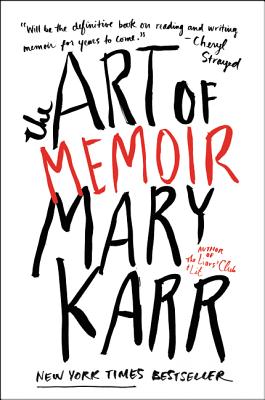
The Art of the Memoir—Mary Karr. “Everybody I know who wades deep enough into memory’s waters drowns a little.” Considered by many to be the book about memoir writing, Karr’s treatise on the subject is a perfect place to start your biblio-education of memoir. The Art of the Memoir gives the why of memoir writing. While the other books on this list will offer you the methods, tools, and the how of doing memoir, this book will provide you with the important foundation of the why of doing memoir—the methodology or theory behind the tools. It’s a theoretical overview of memoir and memoir writing, including subtopics like the catharsis of writing memoir, the ethics of writing about real people (sometimes doing so negatively), and finding the truth in memoir when people sometimes have different recollections of the same events. Start here.


Fearless Confessions: A Writer’s Guide to Memoir—Sue William Silverman. “We interpret facts about the past in order to reclaim them, make sense of them.” If the first book on this list gave you the why of memoir, these next two give you the how of memoir writing. I’ve read many books about writing memoir, and Fearless Confessions is both one of the most practical how-to guides and teaches unique concepts and techniques.

You’ve probably heard the writing advice “show, don’t tell,” and Silverman offers clear tools for doing that in a memoir, including using what she calls savory words, slant details, and revealing your theme. Silverman includes thoughtful exercises and illustrative examples throughout the book.


Naked, Drunk, and Writing: Shed Your Inhibitions and Craft a Compelling Memoir or Personal Essay—Adair Lara. “You need a good way to tell your story.” Lara’s book is a gift to anyone looking to learn how to write a memoir. Naked, Drunk, and Writing is a hands-on how-to guide to all the steps of memoir writing—from idea generation and planning your story to finding an agent and publishing your memoir. You will learn all the necessary stages of the journey here.

A particular favorite chapter is “How to Trick Yourself Into Writing,” which gives clever techniques and tools to try in order to developing a regular writing practice for crafting a memoir. She encourages the reader to write a lot—not only to develop usable material, but to cultivate a relationship to memoir writing and a writer’s identity.


Old Friend from Far Away: The Practice of Writing Memoir—Natalie Goldberg. “Too often we take notes on writing, we think about writing but never do it.” If you are struggling to write your memoir—feeling stuck, having no ideas or memories, feeling like you don’t have a story to tell (which you do!)—then use this book. Goldberg has written several other books on writing and this one is the most oriented toward method and to actually getting some words on the page. Old Friend from Far Away can help you get the what of your memoir.

This one may take you months to read because each page and each chapter is a writing exercise, some only a line or two long. “What was missing? Go. Ten minutes.” Others ask you to inventory every time you remember saying goodbye or to write about any memories associated with a bicycle. You will dig up memories you thought were long gone or didn’t know you still remembered at all. Goldberg says writing is an athletic activity, so get your writing muscles in shape by picking up this book and a pen and getting to it!


Memoirs are worth reading in their own right. The memoirist can teach you a new lesson about the world that you could find instructive, interesting, or comforting. Memoirs are like getting a secret peek into someone’s life—but they want you to peek. And more than that, memoirists want you to get inside, to swim around, to drink. In addition, you can learn about writing memoirs from reading them. Below are three memoirs to enjoy in their own right and to read to better understand the craft of memoir.


The Suicide Index: Putting My Father’s Death In Order—Joan Wickersham. [content warning: suicide] “It had never occurred to me that the other shoe might turn out to be, after all, the original shoe, dropping again, years later, when I was awake and available to feel it.” One day, Wickersham’s father, leaving no note, no clues, and seemingly no reason, takes his own life. His daughter writes in the form of a highly organized and categorized index to try and understand why her father took his own life. It’s a story about how a suicide can affect the family left behind, and about the sometimes impossible and unanswerable questions it leaves forever. What you can learn from reading this memoir is how to write in a unique form and how to write a story that’s not told linearly or chronologically.


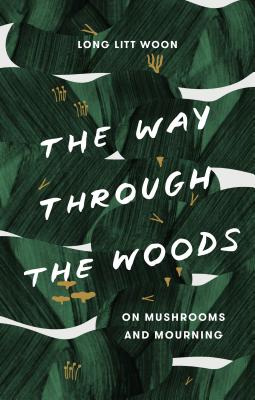
The Long Way Through the Woods: On Mushrooms and MourningLong Litt Woon. “If you want to hear a mushroom sing, you simply have to use your ears.” Long tells two seemingly unrelated stories about her life that end up being more connected than you’d think: grieving the death of her partner and discovering and falling in love with mushroom foraging. This memoir is incredibly informative and offers fascinating knowledge and detail about mushrooms and how to find them. It speaks to reconnecting with nature and with others, especially after a major loss. What you can learn from reading this memoir is how to intertwine your story with informational writing and how to tell two stories at once.


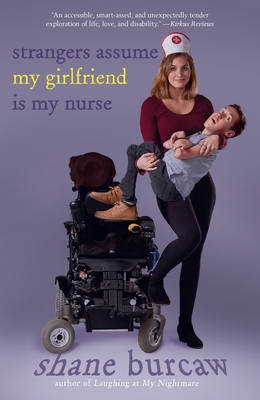
Strangers Assume My Girlfriend is My Nurse—Shane Burcaw. “You can’t truly know that you want to spend forever with someone until you’ve pooped in their arms.” Burcaw is a disability activist, speaker, writer, and non-profit director living with spinal muscular atrophy. His memoir will make you laugh out loud. This collection of short memoir essays will teach you about living with a disability in everyday ways that prove that the commonplace details of his life—and ours—can be endlessly interesting.

Burcaw is in an interabled relationship, and in the titular essay, he writes about how strangers continually assume that his girlfriend is his nurse. He advocates that disabled people can and do have fulfilling romantic and sexual relationships. What you can learn from reading this memoir is how to use humor in your own memoir and how to write your memoir as a collection of snapshots. If you enjoy this collection of personal essays, he wrote another one called Laughing at My Nightmare and he maintains a YouTube channel with his now wife Hannah.


Reading memoir is an exciting and engaging opportunity to create and experience connectivity in the mundane, the everyday, the quotidian and the real, the gritty, the universal. What develops between memoirist and reader is a type of friendship that lets us know that no one is ever really alone in their story.

And if you’re interested in learning how to write your own memoir, there are three ways you can teach yourself how to do it: by reading books about memoir, by reading memoirs, and by getting out there and writing your own. So, grab your pen!

Literary Event: ASU Undergraduate Writers Showcase

The Virginia G. Piper Center for Creative Writing will be hosting their fourth annual ASU Undergraduate Writers Showcase on November 19, 2020. Join fellow ASU faculty and students as they support emerging voices in the undergraduate writing community.

Six talented writers will be sharing their work at the live reading. You can view their bios and learn more about them here. This event is a great opportunity to show your support for ASU’s undergraduate writing community and discover impressive contemporary voices.

The event will take place over Zoom and is free to attend. The reading will be open to the public but “seats” are limited, so be sure to reserve a spot through the link provided below.

For more information, or to reserve your spot, click here. We look forward to seeing you there!


Location: Zoom
Date: November 19, 2020
Time: 6:30-8:00 p.m.

8 Books by Indigenous Authors to Read During Native American Heritage Month

October 12 officially became a federal holiday in the United States in 1937. It had been celebrated far before it was federally recognized as the day that Christopher Columbus ‘discovered’ what would become the America we all know today. In recent years, the celebration of colonization and the subsequent mass genocide of the indigenous people that already inhabited this continent has finally come under public scrutiny. Today, many cities and states have made the progressive move forward to instead celebrate this holiday as “Indigenous People’s Day” to honor those native to this land rather than to celebrate an individual who set into motion centuries of oppression for Native Americans.

In light of this, we approach another critical holiday in American history. No doubt many of us remember the story of the Native Americans and the pilgrims of Plymouth, Massachusetts sitting down to a grand feast of unity that gave rise to Thanksgiving Day. It’s an important and touching image of peace that serves as a starting point in grade school for teaching acceptance and thankfulness, and in no way should our idea of a moment of unity or peace be broken (rather, we need it now more than ever)—but we should never favor only the positive aspects of our history since the truth is so important in moving forward. For this reason, the month of November in which we celebrate Thanksgiving is also Native American Heritage month, in support of further education and awareness of the people who originally loved and lived off this land and who have suffered greatly throughout history. When America was colonized, there were hundreds of separate Native American tribes across the country, each practicing their own religions, governments, and culture. Much of this was eradicated over time, along with many lives, languages, and customs. Native Americans were torn away from their lands, murdered, and indoctrinated. Many still struggle today to deal with poverty, persisting class divides, racism, misogyny, and injustice. This is the reality, and something that cannot be ignored over stereotypical imagery and concepts. In the wake of the BLM movement and the resulting uprise in racial sensitivity and revolution for equal treatment, the need for further education on Native American history and their similar systemic injustice is no less important.

One way to do this is to support indigenous authors and their work, which often shines a light on Native American heritage and hardships. In the same way that literature has taken on the task in today’s political climate to enlighten people and youth about racism in Black lives, we can seek out the following authors and their work to provide them the recognition they deserve—and educate ourselves in the process.


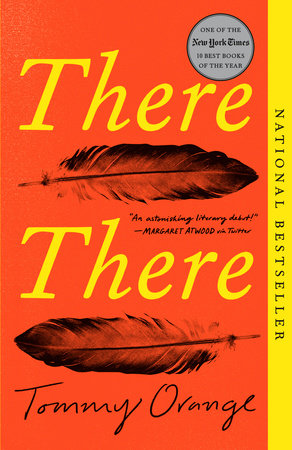
There There—Tommy Orange. Tommy Orange is a member of the Cheyenne and Arapaho Tribes of Oklahoma and currently resides in Oakland, California. His breakout novel There There was a finalist for the Pulitzer Prize in 2019, and tells the story of several Native American characters dealing with personal demons and their own racial identity, converging together at a Pow Wow towards the end of the novel. This novel has made waves for its relevant themes and rich characterization, so it is definitely one to check outand keep an eye out for Orange’s future hits.


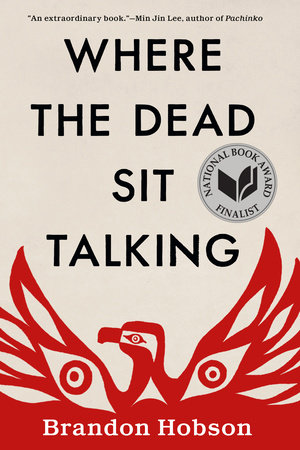
Where the Dead Sit Talking—Brandon Hobson. A member of the Cherokee Nation of Oklahoma, Brandon Hobson’s latest novel follows the story of a teen boy living in rural Oklahoma. In Where the Dead Sit Talking, Sequoyah deals with his mother’s substance abuse, life in the foster system, and meeting another teen girl dealing with much of the same trauma. It is set in the 1980s and is an authentic Native American coming-of-age story detailing the struggles present in many native communities.


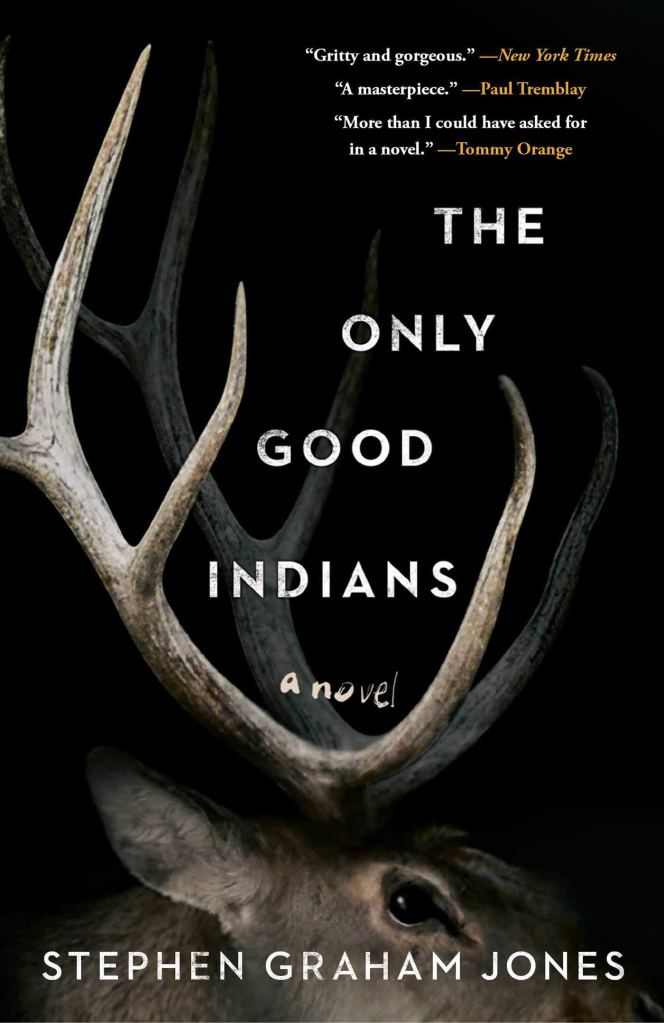
The Only Good Indians—Stephen Graham Jones. Stephen Graham Jones is a Blackfoot Native American who has left his mark across multiple genres of fiction over the past 20 years, all met with great success. He has definitely made an imprint in the literary world for indigenous authors and he has done so with work that not only stands on great plot, but informative work that represents his culture. The Only Good Indians is his latest work that delves into the horror genre, following four Native American men returning from a hunting trip with a vengeful entity following close behind.


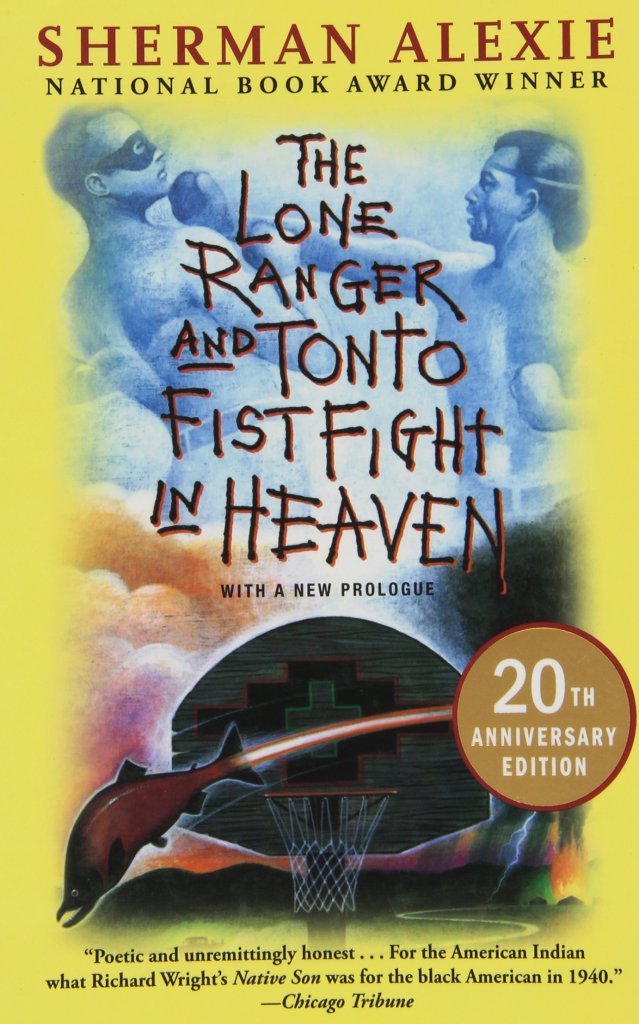
The Lone Ranger and Tonto Fistfight in Heaven—Sherman Alexie. I have a personal bias for Sherman Alexie—he is intelligent, witty, and a brilliant writer able to equally cater to the YA genre as he does adult readers. I chose The Lone Ranger and Tonto Fistfight in Heaven not for the long and entertaining name, but because this novel served as the inspiration for the movie that Alexie wrote and produced, Smoke Signals. Essentially, the novel conveys a compelling and darkly humorous story of growing up on reservations and coming to terms with broken families and self. I will also recommend Alexie’s equally compelling YA novel The Absolutely True Diary of a Part-Time Indian.


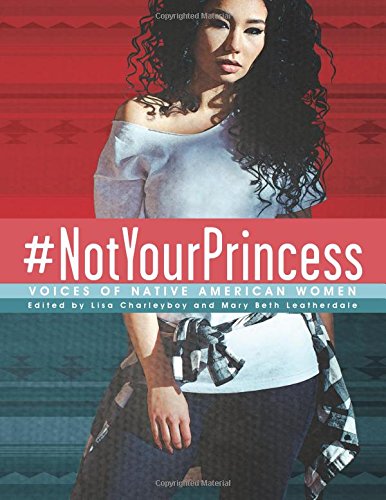
#notyourprincess: Voices of Native American Women—Edited by Lisa Charleyboy and Mary Beth Leatherdale. The editors of this compilation are both prominent names in indigenous publications, Lisa Charleyboy specifically serving as the editor for Urban Native Magazine. #notyourprincess is a collection of poems and prose by Native American women authors that highlight injustice and misogyny, as well and the inherent fears and defiance felt by native feminists. The works in this book confront stereotypes and celebrates heritage and strength in a modern world in which there are still additional hurdles if you are also a woman.


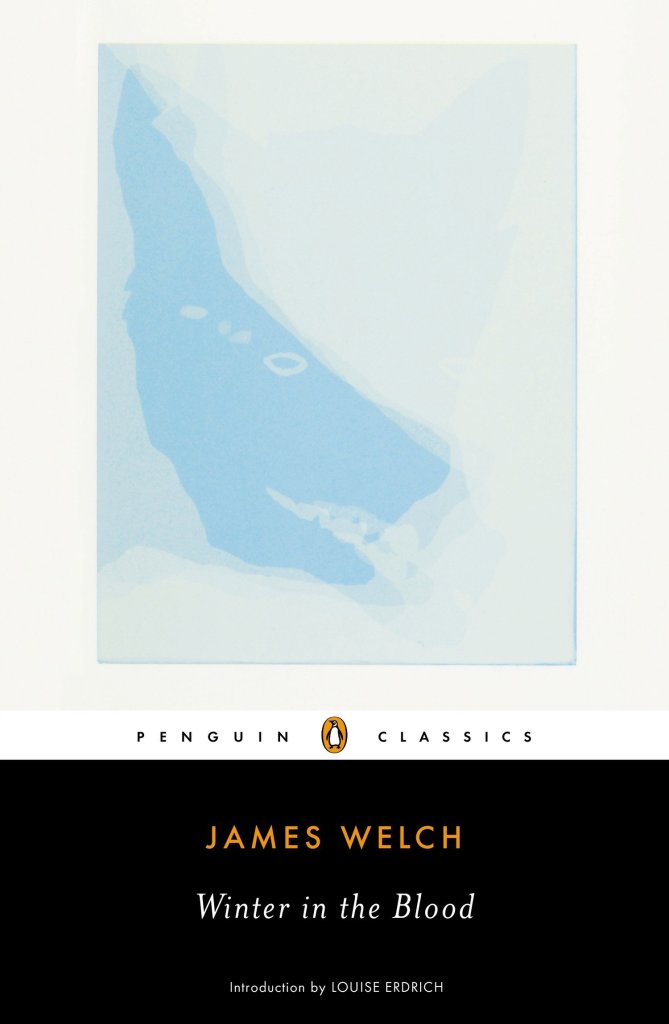
Winter in the Blood—James Welch. James Welch is considered by many a founding author in the Native American Renaissance, which is an uptake in indigenous authors and production of work in the 1960s. Winter in the Blood is a novel that follows a narrator haunted by the past and burdened with the weight of loss in the face of conflict between the reservation he resides on and the white settlement nearby. A slightly older novel in this lineup, the significance of James Welch and this haunting work still stands.


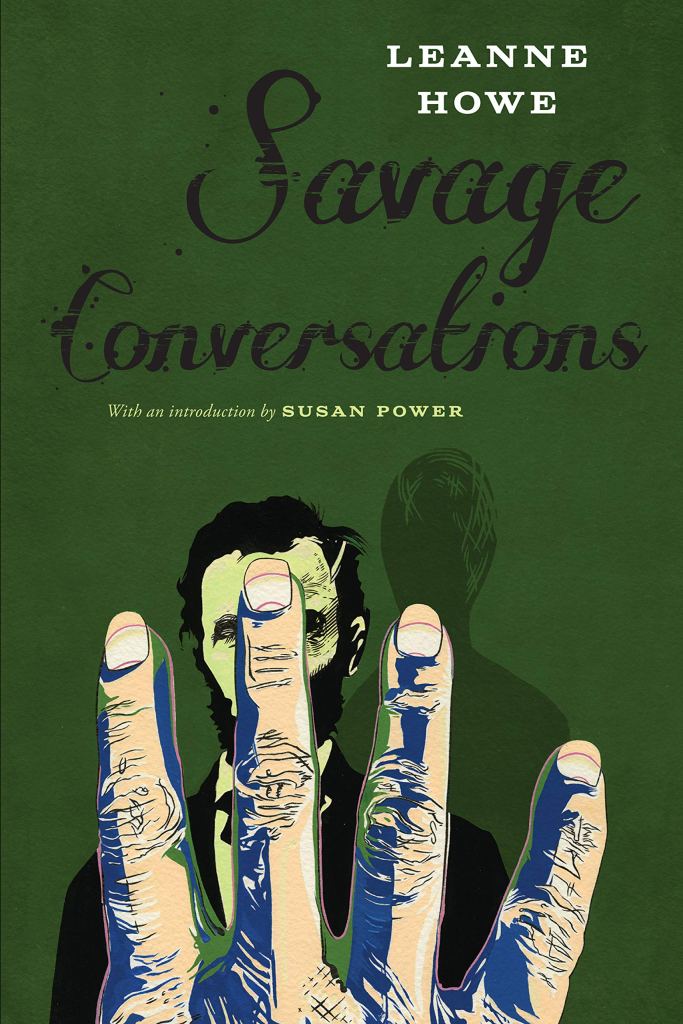
Savage Conversations—Leanne Howe. A member of the Choctaw Nation of Oklahoma, Leanne Howe’s novel toes the line between fever dream and historical fiction. Mary Todd Lincoln is haunted by hallucinations, so much so that she is institutionalized, but could they be connected to the slaughter of Dakota Indians authorized by Abraham Lincoln himself? Strange Conversations is brilliant in its beauty and the uncomfortable re-evaluation we are forced to do over what little we may actually know of our country’s history.


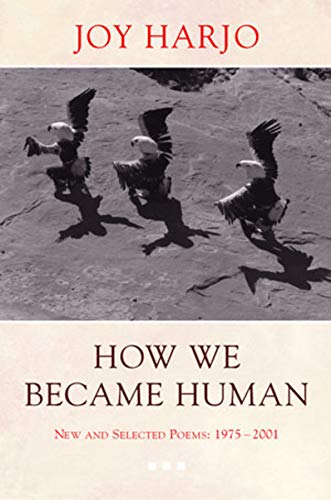
How We Became Human—Joy Harjo. I’m ending this list with an individual I’ve admired all my life. Joy Harjo was born in Oklahoma and is a member of the Muscogee-Creek Nation. She is currently the Poet Laureate of the United States, the first Native American woman to hold that title in history. She is a musician, a painter, an author, and an educator in addition to being one of the greatest poets in the country. Her work represents her culture and her heritage, and tells the story of the past, present, and future of indigenous people. This anthology is a collection of her work through a large span of her career, and is a must-have to experience her talent and learn about Native Americans through the eyes of a woman who has represented her people with both grace and strength.


I was born and raised in Oklahoma, a state where Native American heritage and education is a priority in our curriculum. I started my college journey at Northeastern State University in Tahlequah, Oklahoma, the Cherokee capital. I married a man who is an enrolled citizen of the Cherokee Nation, and our children are registered members as well. His ancestors walked the Trail of Tears to settle in Oklahoma, and he grew up hearing the stories and tales from his grandmother, which were her effort to keep their traditions alive in him. We will continue to nurture this same knowledge and heritage in our children. This is a topic that is near and dear to my heart. Take notice of the plights of Native American communities across the country and get involved in spreading awareness for causes such as #MMIW or Missing and Murdered Indigenous Women. This Thanksgiving, keep those ideas of unity in your mind as we continue to reevaluate privilege and racism in America and confront those issues head on. If 2020 has done anything, it has created an opportunity for us to hold the less fortunate to a greater importance, whether they are individuals that are at higher risk for COVID-19, or those that have been victims of systemic racism throughout their lifetimes. Let’s have a safe holiday and remember to love one another.

Book Review

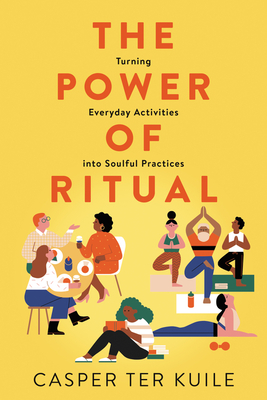
The Power of Ritual: Turning Everyday Activities into Soulful Practices

Publisher: HarperOne
Genre: Nonfiction, Spiritual, Self-Help
Pages: 224
Format: Hardcover
Buy Local
My Rating: 4/5 stars

Summary

Could walking your dog be a spiritual experience? Is it possible to turn your yoga or Crossfit class into a community? Can reverently reading the Harry Potter books or watching your favorite movie transform your life?

According to Casper Ter Kuile it can, and will. In The Power of Ritual, Harvard Divinity School Fellow Ter Kuile discusses why people have often flocked to religion for ritual, purpose, and community. Yet, with an increasing number of people listing themselves as “nones,” how can one find rituals and traditions to sustain, nurture, and fortify themselves? Ter Kuile explores how everyday activities such as eating, walking, showering, watching a movie, reading, and gathering are all powerful rituals that can heal and energize. From exercise and connection with nature to tech sabbaths, he provides ways to turn the ordinary into a transcendent experience.

Thoughts

There is a strong vein of religion and theology running throughout The Power of Ritual, which is understandable considering the topic of spirituality. For some, spirituality does look like what most of us visualize— going to church and participating in the corresponding rituals. This book, however, is not necessarily for those people. This instruction manual is for the “nones,” those without a dedicated denomination, who are remixing their lives by taking from the old and adding in the new.  

One of the many interesting rituals that Ter Kuile outlines within this book is the concept of a Tech Sabbath. Closely aligned with the Jewish tradition of Sabbath, his tech version involves shutting down digitally for a 24-hour period. Friday at sundown he stows away his phone and laptop, refusing to engage with them until Saturday at sundown. For a lot of us, this would require massive amounts of willpower, and even Ter Kuile admits to slip-ups now and again. Still, the clarity he receives from this practice (every week!) more than makes up for any type of FOMO, and he uses the time to journal, read, and reflect. 

If this seems too daunting a prospect, not to worry. I found his other suggestions to be far more manageable, and most of the time the activities are ones you already engaged in. All that is required to make an ordinary activity a “ritual” is to put intention behind it. This is something he discusses at length when it comes to building community, connecting to nature, and even watching a film. As one of the founders of the Harry Potter and the Sacred Text podcast, Ter Kuile specializes in making a movie night a revelatory and ritualistic experience.

The Power of Ritual easily mixes in history and theology discussions with pop culture references to make the reading enjoyable without getting too mystic or preachy. It really is about turning what you are already doing into a tradition, ritual, or sacred experience. There are some action items on how to get started, and a framework for prayer (it may look a little different than you think!). Pilgrimages are discussed at length, changing my perspective on what that actually looks like. Spoiler: you don’t have to travel across the globe to complete one, just as far as your door!

I, myself, was surprised at how many rituals I am already engaged in. From my morning journaling to decompressing in the shower, Ter Kuile’s theories ring true. This book will certainly cause you to reflect on those activities, and help you reframe how you participate in them. I did balk at his suggestion to think about your own death. While I am not one to shy away from the eventuality of death, I am just a little apprehensive about telling myself “I might die today.” That statement’s purpose is to remind you (and yes, there’s an app for that) to be grateful for your life and the gifts you have. But I am still not sure I can, on a daily basis, tell myself this.

At this moment, many have found their spiritual practices being curtailed. The pandemic and all the uncertainty it brings has restricted many of the social gatherings, pilgrimages, exercise routines, and religious rituals. Yet, perhaps by utilizing some of the ideas set forth in The Power of Ritual, you may be able to bring some harmony and tradition back into your life!


Thank you to Changing Hands Bookstore for providing an ARC
in exchange for this honest and unbiased review.