Spooky Staff Favorites for Halloween

It’s that time of year where ghosts, goblins, and other various supernatural entities are creeping up everyone’s spine. While the movies are creating their own chills and thrills (we see you Michael Myers), there is nothing that compares to the goosebumps you get between the pages of a good book…

Here is a round up of our staff’s favorite horror and suspense stories.

Staff Writer Jaycee Graffius


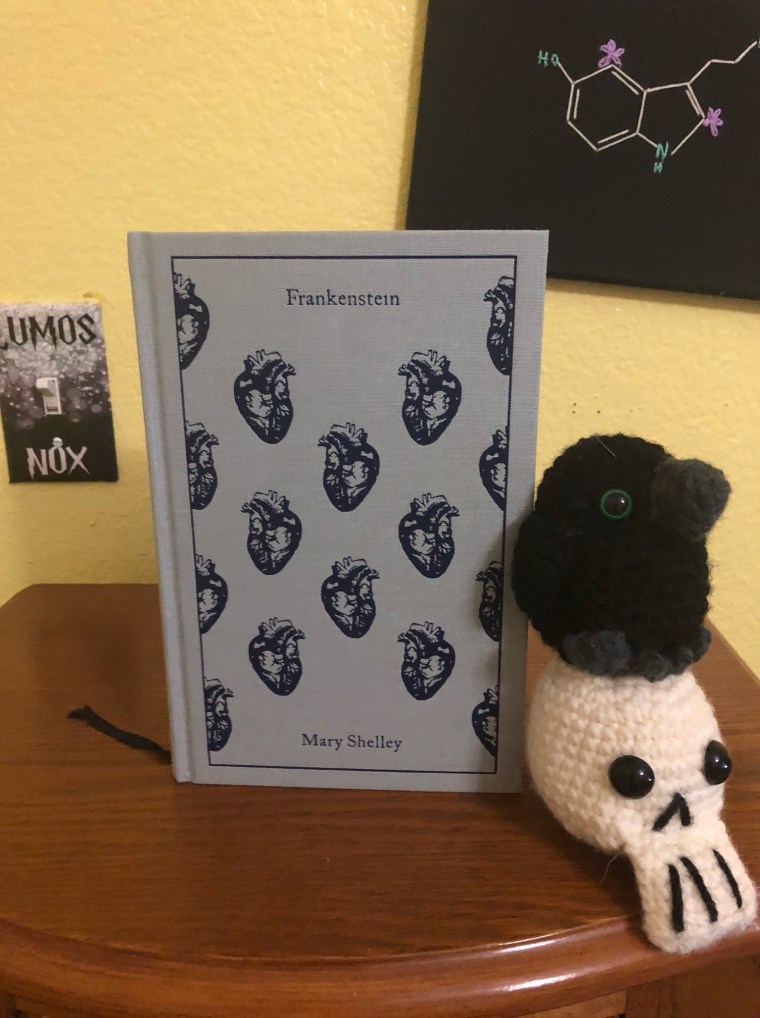
Frankenstein is not just my favorite Halloween read, it is my favorite book of all time. The entire book just drips with a gothic atmosphere and symbolism that makes rereading a joy. I personally love the similarities between the monster and Victor Frankenstein as it really hammers home how, in a way, Victor is the monster’s father and abandoned him in a world that couldn’t love him. 

While Frankenstein has become universally recognizable in our culture, much of the book’s messaging has been forgotten by the mainstream. This is tragic because the book explores so many ideas that still need to be talked about today, from the dangers of science without empathy to the creation of monsters and whether the monster is truly to blame for what he’s become. Combine all this with the writing style of Mary Shelly, a personal hero, and Frankenstein fully earns it’s place as one of the best classic horror novels of all time.


Staff Writer Makayla Aysien

I never thought that I could enjoy the genre of horror, largely because I don’t like looking over my shoulder as I walk up the stairs at night. I was pulled into horror by an odd sense of circumstances: a philosophy course of mine required that I write on the philosophy and ethics of horror. This is where I found The Great God Pan by Arthur Machen.

This novella follows the perspective of Dr. Clarke as he hears a series of stories about a mysterious woman named Helen. Wherever Helen goes, she seems to leave behind others in states of insanity or death. What kind of supernatural powers does Helen have? How is she connected to the titular character of the great god Pan? Those who love horror, fantasy, supernatural, and reflections of real aspects of society—especially how people view women—are sure to love The Great God Pan.

Staff Writer Paul Stanton

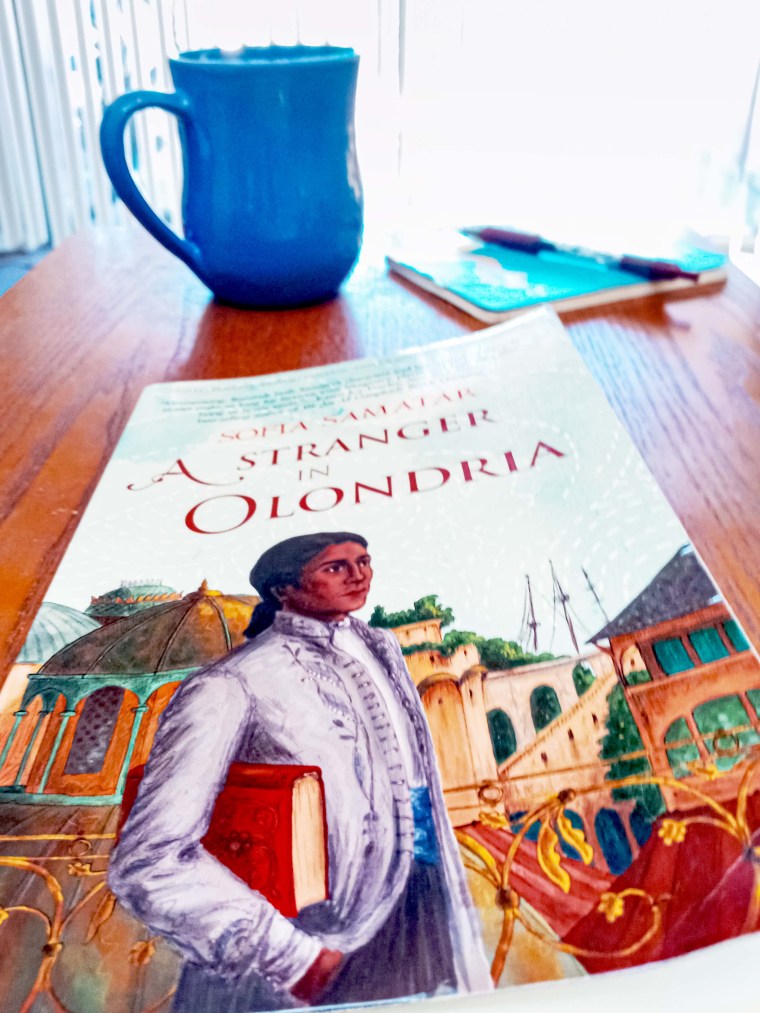
My favorite ghost story is Sofia Samatar’s A Stranger in OlondriaStrange, haunting, and beautiful, this winner of the World Fantasy Award for best novel captured my heart. The book feels like a gothic horror while using almost none of the tropes associated with that genre. 
A perfect, delightful read for the spooky season.

Staff Writer Michael Weaver

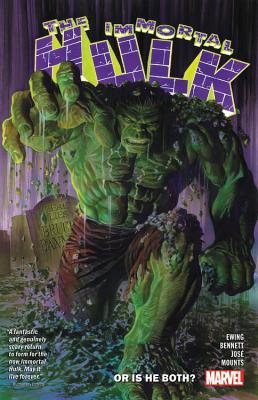
Filled with spectacular art and equally as phenomenal writing, The Immortal Hulk is impossible to kill. Even worse, he’s haunted by the scariest villain yet: his Dad, who just so happens to command a force stronger than Hell itself… Hulk can’t simply smash his way out of this one.

Editor’s Note: Stay tuned for a more in-depth look at The Immortal Hulk from Michael soon!


Editor-in-Chief Sharon Enck

Set against the backdrop of an elitist university within an MFA cohort, Bunny by Mona Awad is one of my new Halloween favorites. Snotty mean girls? Check. Loner outsiders who get pulled into witchy and menacing goings-on? Check. Samantha prefers her own dark company to those within her cohort who inexplicably call each other “Bunny” and seem to be of one mind and body. She manages to evade them for most of her time at Warren University, but then suddenly gets invited to a mysterious “salon” and soon starts her own journey into the rabbit hole…in more ways than one!

Bunny is a dark, twisted (in all the good ways) ride that is not for the faint-of-heart or squeamish. With its themes of grief, mental health, social acceptance (and what we will do to attain it) it is a fascinating read. And you will never look at bunnies—or creative writing cohorts for that matter—the same.

Staff Writer Lauren Kuhman

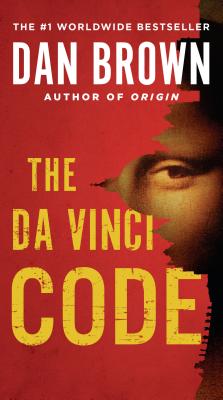
I am not a big fan of horror because I like to sleep at night. However, every once in a while I find myself enjoying a thriller or mystery and one of my absolute favorites is Dan Brown’s The Da Vinci Code. While not inherently scary, it is a book of extraordinary adventure perfect for any Halloween night. Main character Robert Langdon is a symboligist and after a murder in the Louvre he is called to aid in the investigation.

 Little does he know that this call will lead him down a long, intricate, dangerous, and thrilling journey over the course of a day. Dan Brown masterfully combines art, history, religion, and mystery into a thrilling and fast-paced story. Whatever you are doing this spooky season, I promise that this book will cast a spell on you. If you pick it up, be prepared for a spookily good time!

Managing Editor Jade Stanton

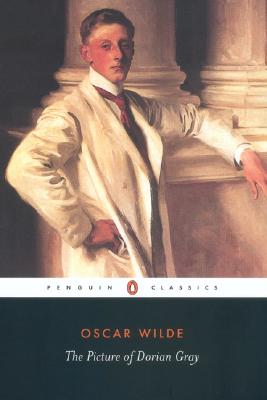
The Picture of Dorian Gray tells the story of the titular protagonist’s descent into hedonism and the subsequent loss of his morality. Dorian unwittingly makes a Faustian pact wherein he will remain forever youthful and beautiful—but owns a portrait that will reflect the depraved state of his soul.

Aside from delving into important themes such as morality, innocence, corruption, and beauty, The Picture of Dorian Gray also includes many ghoulish themes: from suicide to murder and a monstrous painting hidden in Dorian’s attic, Wilde’s classic is the perfect way to get into the spooky spirit this Halloween!


Stay spooky friends!
Why Neurodivergent Representation Matters in the Romance Genre

When we speak about the romance genre in this setting, I’m referring to complete, nonstop romance. Virtually every scene, every word, every breath is imbued with romance, even if the degree of cheesiness is left to the prerogative of the author. This romance isn’t a mere subplot; it is the very essence of the novel, laying out what is often essentially 300 pages of fluff.

Despite its sweetness and all of the immediate joy these stories bring us, we cannot ignore that this genre is severely lacking in diversity. How many books featuring two cis straight white neurotypical people—one male, the other female—falling in love did publishers reasonably think they could pump out before we demanded more representation in race, religion, sexual orientation, and gender identity? The romance genre has begun giving us this diversity, but in our reimagining of the genre, I’m worried that queer characters, as well as the subject of this article, neurodivergent characters, are going to be left behind.

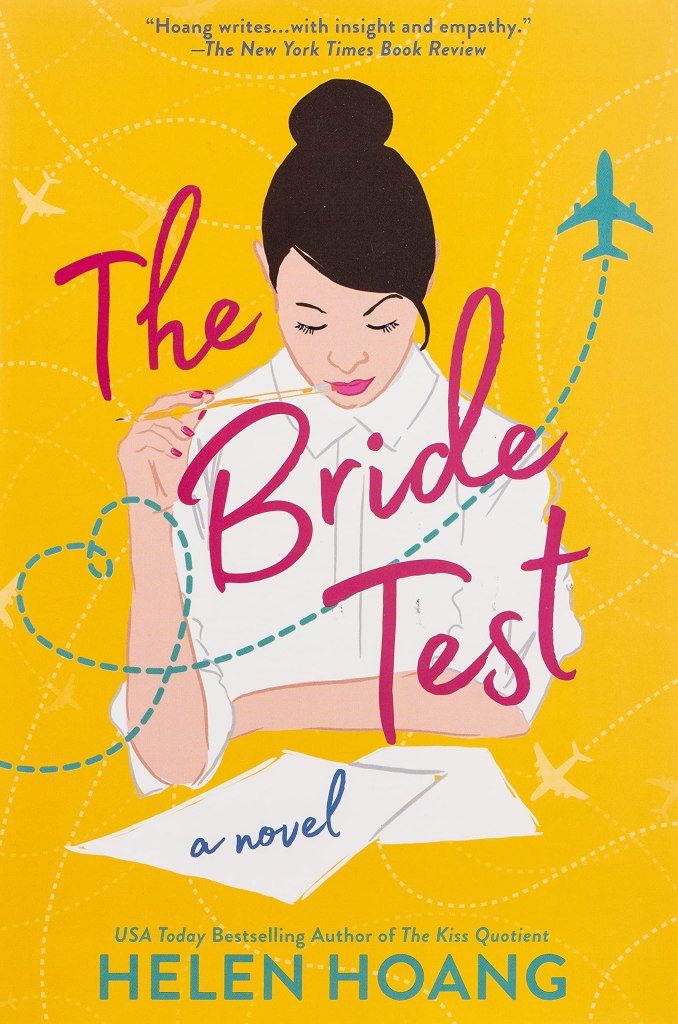
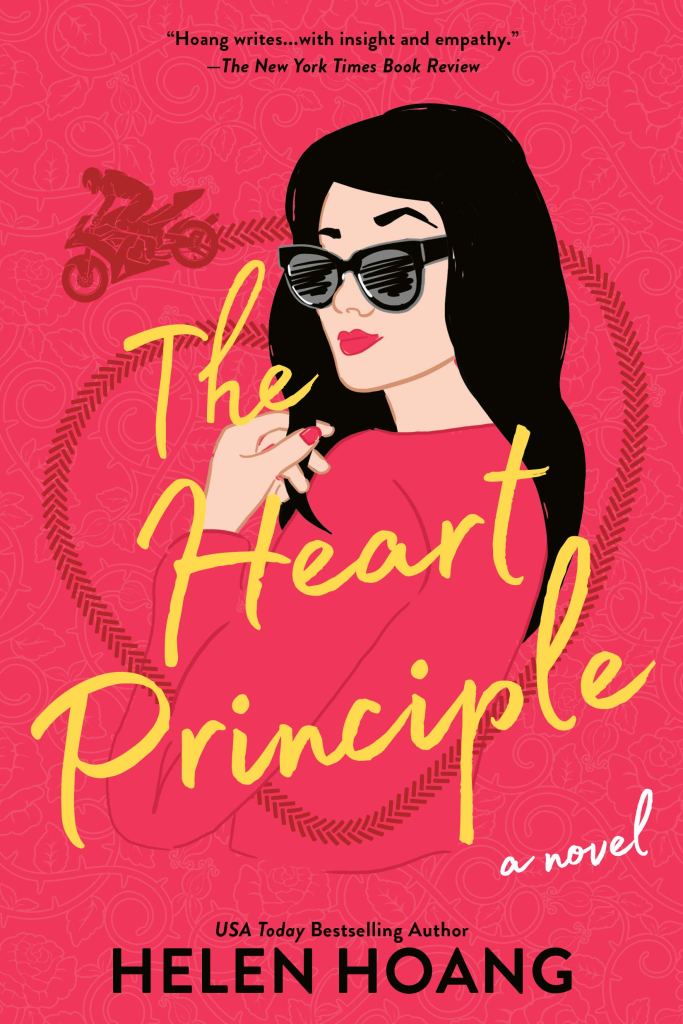
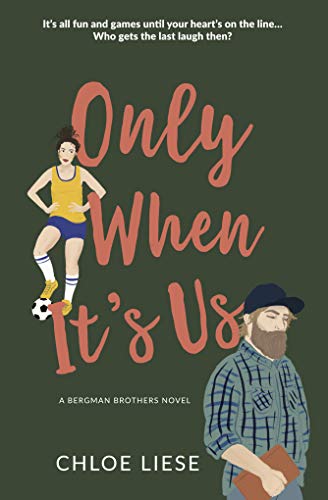
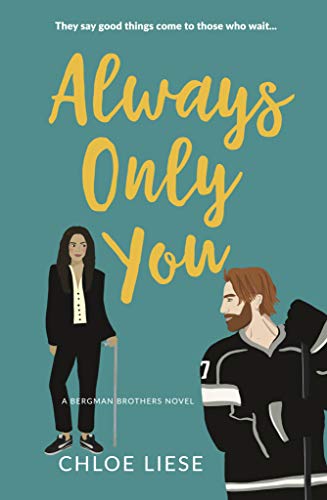
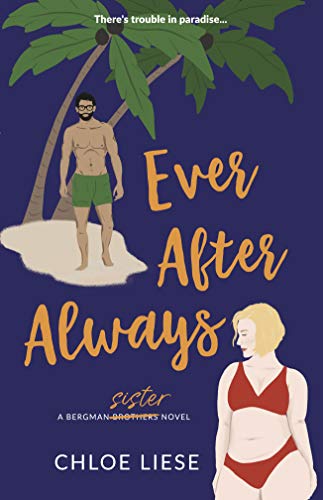
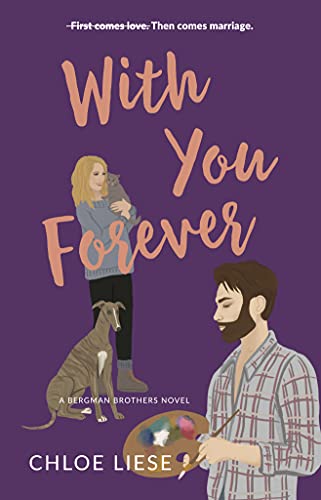
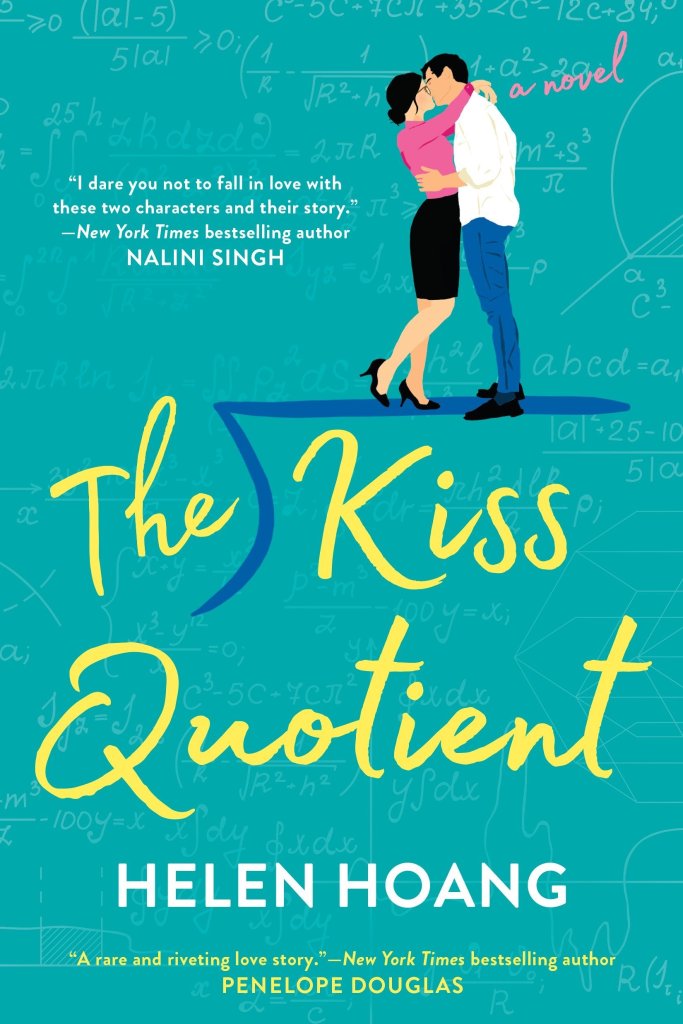
Two authors of neurodivergent and inclusive romance novels give me hope that this doesn’t have to be the case: Helen Hoang and Chloe Liese. Hoang has written three books featuring autistic characters: The Kiss Quotient, The Bride Test, and The Heart Principle. Liese has written eight novels featuring characters with autism, anxiety, and physical disabilities in her Tough Love and Bergman Brothers series. What’s even more exciting is that both of these authors have been diagnosed with Autism Spectrum Disorder (ASD), meaning that we get to read neurodivergent romance novels by authors who have an understanding of what it’s like to have a neurodivergent mind.

Throughout their books, we are given different illustrations of what the ASD experience might be like for different people. We get to see characters who received their diagnosis early in life, as well as those who weren’t diagnosed until adulthood, like the authors themselves. Moreover, Hoang and Liese sprinkle in particular experiences that people with ASD, and other neurodivergent folks, have, including overstimulation, touch sensitivity, confusion about certain social cues, and special interests.

Not only do we need this sort of representation across different mediums of storytelling and in everyday life, but we need to make sure that neurodivergent folks are incorporated in every genre, from action movies to fantasy novels. I find it frustrating when I go into a bookstore or library and find that books like LGBTQ+ fiction have their own section. Perhaps it’s just me, but it’s frustrating to see that there are usually so few and that they aren’t mixed in with the fiction novels. Why can’t we both write more LGBTQ+ fiction and not set them apart as if they’re an esoteric genre only queer people would read? The same must be said about novels with neurodivergent characters; we need more of them and they need to not be treated as a separate genre. This will help take away stereotypes and stigmas about neurodivergence. After all, if every human experience is unique to the person who experiences it, why should the neurodivergent experience be set apart from what it is: a unique human experience that should be cared about as much as all neurotypical experiences are?

By specifically placing neurodivergent folks in the romance genre, we get a closer look at how they might go about any human relationship, not simply romantic ones, but, of course, how they might want to receive romantic love and how they love others. Surprisingly or unsurprisingly, it really is no different from a romantic relationship that neurotypicals would want to pursue. Most neurodivergent folks want a romantic relationship. They want hugs and hand holding and sex. They want their partner to feel loved. As with any relationship, there will be unique interests and things that certain people are uncomfortable with. In that case, people in a relationship should communicate to set up boundaries, but this is typical of any healthy relationship.

This is why romance novels featuring neurodivergent characters, especially those written by neurodivergent authors, are so important—they show us the reality that sweet, sexy, passionate, erotic, loving, and lasting romantic relationships aren’t unattainable or undesirable to neurodivergent folks because of their neurodivergence. What makes these relationships more difficult for some neurodivergent individuals is the expectation that they must act like neurotypicals. They must give and receive love as others typically do. These books show that this expectation is unhealthy, not simply for neurodivergent folks, but for neurotypical folks, as well. Learn how your partner loves. Do they want to infodump? Do they give you random small gifts because they were thinking about you and thought you would like it?

On a personal note, these books were here for me throughout my own diagnosis with ADHD, another neurodivergence. I read them before I even had a clue I had something in common with these characters, during the process of diagnosis, and now, after I know myself better than I ever have before. They serve as a beautiful reminder that my life, and in this context, my love life, doesn’t have to be different simply because I’m neurodivergent. They show me that I am still deserving of love. We all are.

Books of Blood: Book-to-Movie Adaptation

As an avid Clive Barker fan, I was delighted to learn that there was another adaptation of one of his classic short stories, The Book of Blood. From his work on the Hellraiser franchise, to the Candyman franchise inspired by his short story The Forbidden, to the first adaptation of his anthology series Books of Blood in the 2009 film of the same name, Clive Barker’s work is no stranger to the film genre. As such, I had high hopes going in that this film would capture the magic and macabre that follows Clive Barker’s work.

It’s worth noting that this film is not a direct retelling of Clive Barker’s short stories, but rather a loose adaptation of two stories from his anthology collection. The film itself is an anthology and tells three separate stories that follow the adventures of three individuals: Jenna, Miles, and Bennett. To my understanding, Jenna’s story is completely unique and not inspired by Books of Blood—however, Miles’ and Bennett’s stories are directly tied to the work in the collection. The Book of Blood, Miles’ story, tells the tale of a cheating psychic who is exposed in a truly bloody way, and On Jerusalem Street, Bennett’s story, is tied to The Book of Blood sequel where a man finds the titular volume and is subsequently tortured by it. In order to keep this review focused on the adaptation portion, I will be focusing on these two stories.

As always, a quick spoiler warning is in place. While I will strive to avoid major spoilers, I will be comparing the book and the movie so there will be spoilers for both. If you wish to see them for yourself you can find the first volume of Books of Blood here and the movie on Hulu.

The Good

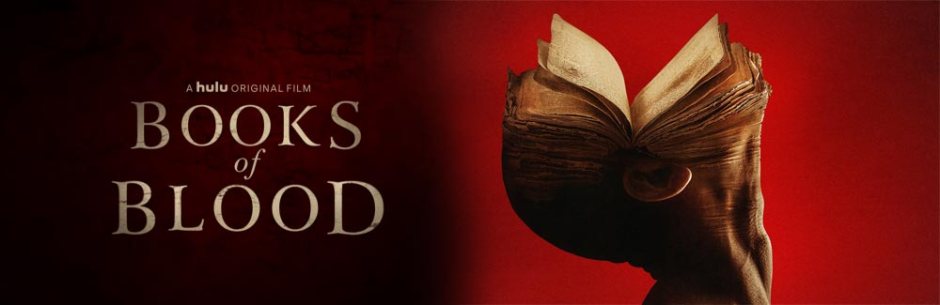
One stunning aspect of the movie was the book of blood imagery. The book of blood, a man who is covered with the stories of the dead engraved into his skin, is used as the connecting point between the three stories in the anthology, and it looks just as disturbing and haunting as the short story described it. Each scene that features the book of blood really taps into the fear that Clive Barker’s anthology strives for, and makes for some of the best scenes in the movie.

Likewise, the disturbing ideas featured in this movie, both the ones taken from the anthology and the original ideas, are incredible. There are several scenes in this movie that stuck with me for days afterword—from the blinded girl being placed beneath the floorboards to the mother swinging with her dead son. When the film chooses to embrace the gut-wrenching reality of the story it finally feels like a Clive Barker inspired film. If the movie had focused more on these elements, then it would’ve been an excellent adaptation.

The Bad

Unfortunately, the movie doesn’t focus on the unsettling ideas that make Clive Barker’s work so great. Rather, the movie focuses on the characters and their interactions, which is where the movie fails spectacularly. They are very one note and, rather than talking like normal people, often serve as blank mouthpieces for the themes the movie is pushing. Rather than showing the character’s motivations through clever dialogue and filmography, the movie has them recite their personal philosophy at any given moment. They aren’t given any other characteristics that would make them interesting, so they are just left to constantly spout off about their opinions without any prompting, even in moments where it doesn’t fit. This creates a tell-not-show environment where the viewer is subjected to one long lecture on life and death with occasional blood and gore.

This may seem like an odd criticism for a book blogger to make, but the main reason why the characters feel like hollow husks is that the movie is written too much like a book. Within a book it’s okay to have dramatic discussions of the duality of good and evil and philosophical discourse over what it means to be alive because it can be framed as the character’s thoughts rather than dialogue. However, in the audio-visual setting movies create, these discussions feel hollow because the viewer is force-fed the information. In a book, there can be intense discussion of themes because the only medium at play is the written word, but movies cannot get away with dumping all the information regarding the movie’s message into the dialogue, especially if they aren’t willing to do the work to make the dialogue fit the situation or to make the themes unique and interesting. The movie’s choice to lazily cram all the themes into one aspect of the film results in a very boring viewing experience.

Final Thoughts

In the end, I felt that this movie failed to capture the horror of The Books of Blood anthology. While there were promising moments of dread and unsettling imagery that spoke to the beginnings of a great horror anthology, it was bogged down by the movie’s incessant need to drone on and on. Horror films as of late have gained a rotten reputation for being dull with only a few scares, and while I don’t fully agree with this belief, I don’t think Books of Blood is going to convince anyone otherwise. If you are genuinely curious and already have a Hulu subscription, the occasional scares are enjoyable enough to watch the movie while working at home, but it definitely isn’t worth getting a Hulu subscription or dedicating all your attention to watching it.

Literary Event: Write Here, Write Now | Kelli Trapnell: “Using Genre Techniques in Literary Fiction”

Quickly now—grab your pens and all the paper you can find because Changing Hands Bookstore is hosting a virtual writing workshop!

The event is on Monday, October 25 from 6:30–8:00 p.m. (9:30–11:00 p.m. ET) and attendance is only $5. The workshop will be taught by Kelli Trapnell, who has a MFA in fiction writing from Columbia University and received both the Sandra Brown Excellence in Literary Fiction Award and the 2018 New York Foundation of the Arts fellowship in fiction.

The 90–minute session will include a 30–minute lesson on the difference between fiction and “literary fiction,” and specific time for personal literary exploration! The first half of the class will be an exploration and explanation of the literary genre using discussion of prominent authors and works. The second half of the class will take theory to application as you move through a variety of exercises to teach literary fiction techniques leading up to your own miniature story.

Do you have your pen ready? Great—let’s go! Register for the First Draft Book Club here.


Location: Online

Date: Monday, October 25, 2021

Time: 6:30–8:00 p.m. (9:30 – 11:00 p.m. ET)

Price of Ticket: $5.00 (+$1.24 fee)

Literary Event: Writers Connection at the Tempe Public Library

Tempe Public Library

The Tempe Public Library is host to numerous events for all kinds of readers and writers alike. One ongoing event is the Writers Connection group, which is a place for writers to meet informally and write or share work in a supportive group environment.

The Writers Connection group meets every other Friday at the Tempe public library in the afternoon. The group is free! They are currently meeting virtually, and you may register for the virtual group here.

If you’re looking for a kind group to share your writing with, this is the one! And while you’re at it, check out the other writing and book events at the public library.


Location: Online

Date: every other Friday

Time: 2:00–4:00 p.m.

Price of Ticket: Free!

Book Review

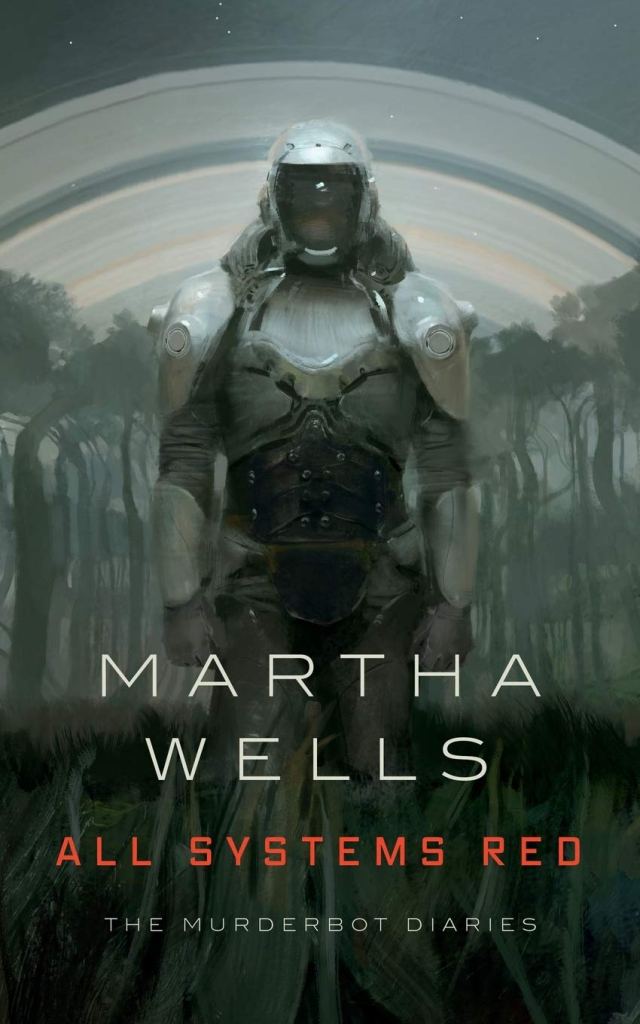
All Systems Red: The Murderbot Diaries by Martha Wells

Publisher: Tordotcom
Genre: Science Fiction
Pages: 160
Format: Paperback
Buy Local
My Rating: 5/5 stars

Summary

What if you were a killer cyborg—built to be the perfect murdering machine—but all you wanted to do was watch soap operas?

Murderbot is a SecUnit owned by a company that provides resources for planetary exploration. It has secretly hacked its governor module (the part of its brain that forces it to obey its corporate masters). It uses this newfound freedom to watch the 35,000 hours of television it has downloaded to its personal hard drives—or it would, if its human masters weren’t constantly getting into danger. If anyone finds out it is free, it will be hunted down and killed (because everyone just assumes rogue SecUnits are rampaging Terminators bent on eradicating all human life). And so it goes on doing its job, hoping to keep its humans alive long enough for it to finish the next season of Rise and Fall of Sanctuary Moon.

Thoughts

At their core, The Murderbot Diaries are sweet, funny, and intensely personal stories about building a life in the aftermath of trauma and despite a society that wants you dead.

I instantly fell in love with the character of Murderbot. Books, TV, and movies are saturated with misanthropic, hyper-competent characters: your Tony Starks, Sherlock Holmes, and Mavericks. I normally hate these characters—I don’t want to read about übermenschen who can treat everyone around them like objects because they’re the Heroes (with a Campbellian capital ‘H’). But Murderbot takes this trope and flips it on its head.

Yes, Murderbot is misanthropic and hyper-competent, but it is also deeply moral. Despite having every reason to seek vengeance for the terrible violations society has inflicted on it, Murderbot spends All Systems Red carefully preserving the lives of the humans under its care. Murderbot refers to itself with a name that represents how society perceives it, but in actuality spends all its time making sure people don’t get murdered despite their best efforts to the contrary.

All Systems Red is not Martha Well’s first book by a longshot, but it is her first book to receive widespread critical acclaim. It swept the holy trinity of science fiction awards, winning the 2018 Hugo, Nebula, and Locus awards for Best Novella. And Murderbot hasn’t stopped winning awards since. Network Effect—the fifth entry in the series—is poised to pull off the same feat; it’s won both the Nebula and Locus and is currently nominated for the Hugo. This is even more impressive considering that Network Effect is significantly longer than All Systems Red, forcing it to compete in the “novel” category which is (comparatively) more competitive than the shorter “novella.”

Never before have I wanted so badly for a character to make some friends and have a happy life. After all its been through, Murderbot deserves to be safe and cozy for a century or two. Fingers crossed that by the next book the humans will finally get their crap together and let Murderbot have some peace and quiet.

Burn Baby Burn…Celebrating Banned Books!

Photo courtesy of bannedbooksweek.org

Every year thousands of readers across the nation celebrate the rebels of literature during Banned Books Week. September 26th–October 2nd marks the week for 2021, and the current list of books can be found here. These writers join the distinguished group of storytellers who have dared to tell the tales that invoke deep thought, invite change, and incite social justice.

Every year the list grows longer and longer as newer writers add their message to the mix. Here at The Spellbinding Shelf, we appreciate these writers’ ability to freely express themselves while challenging the status quo and pushing boundaries. Check out some of our staff’s favorite picks.


Staff Writer Paul Stanton

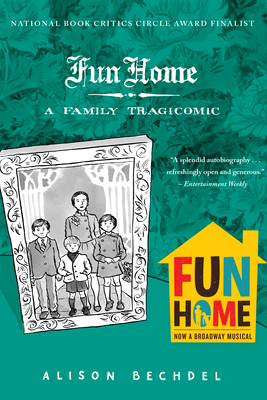
My favorite banned book is Alison Bechdel’s Fun HomeA non-fiction graphic novel about Bechdel’s childhood relationship with her father, Fun Home is one of my favorite memoirs, but it has often been challenged and banned because it deals with the queerness of both Alison Bechdel and her closeted father.

The Comic Book Legal Defense Fund has an excellent legal history of the challenges against the book here. Bechdel is famous for her comic strip Dykes to Watch out For and for coining the “Bechdel-Wallace Test”—a feminist media criticism tool.


Editor-in-Chief Sharon Enck

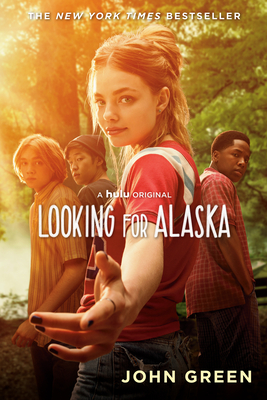
While some of my favorite banned books are classics such as The Handmaid’s Tale and Fahrenheit 451, I have recently added a new favorite. John Green’s Looking for Alaska is a heartbreaking tale of grief, and the search to find one’s self. It has been banned for being too sexually explicit (a scene describing oral sex) as well as offensive language and drug/alcohol use.

Green, whose talent lies in tackling the complexity of young adult lives, responded to his challengers, “If you have a world view that can be undone with a novel, let me submit that the problem is not with the novel.”


Staff Writer Lauren Kuhman

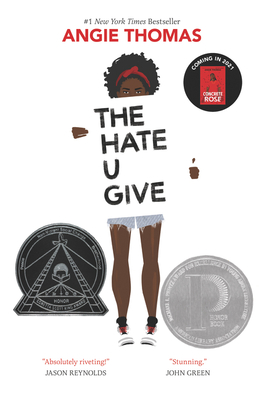
I think there can be a perception that banned books are a thing of the past but books, articles, and the written word are constantly being censored. One of my favorite books is Angie Thomas’ The Hate U Give. Published in 2017, the young adult novel follows a 16-year-old Starr Carter as she witnesses the murder of her best friend Kahlil in a police shooting. The novel addresses police brutality and racism and was banned by school officials in Katy, Texas for “pervasive vulgarity and racially-insensitive language…not its substantive content or the viewpoint expressed” (as cited in Gomez, 2018). However, the book was eventually reinstated (with the caveat of needing parental permission to check it out) when a local student petitioned for the book’s return.


Managing Editor Jade Stanton

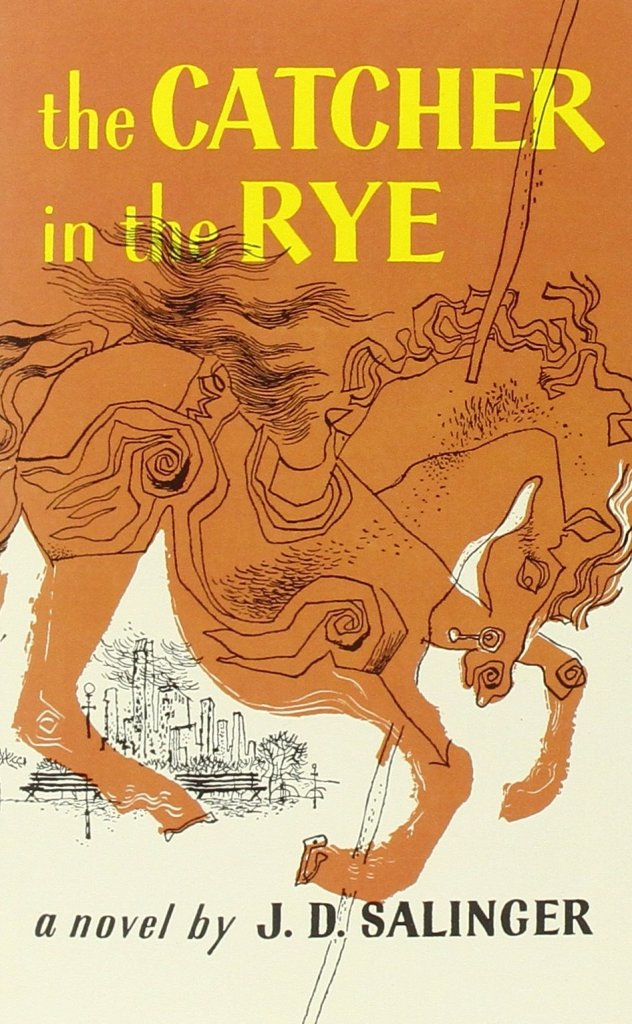
While there are many great classics that have found their way to the banned books list, my personal favorite is J.D. Salinger’s The Catcher in the Rye. This well-known novel follows Holden Caulfield on his two day trip home after being expelled from prep school. Throughout his journey, Holden rails against the phoniness of the adult world and the inevitable corruption that comes from being a part of adult society.

This book is often banned and challenged for its adult themes—namely cursing, alcohol abuse, and sex. It strikes me as especially ironic that a book about preserving innocence while becoming aware of the harsh realities of the world is often challenged and considered inappropriate for high schoolers. Despite its adult themes and controversies, The Catcher in the Rye is lauded for its relatability among high school audiences.


Rebellious writers and readers of the world unite on this last day of Banned Books Week!