An Exploration of Trauma Through YA Novels

“My stars shine darkly over me. The malignancy of my fate might perhaps distemper yours. Therefore I shall crave of you your leave that I may bear my evils alone. It were a bad recompense for your love to lay any of them on you.”

William Shakespeare, Twelfth Night 2.1.3–7

Content Warning: This article contains descriptions of domestic abuse, trauma, and suicide. Please continue reading with caution, and take care of yourselves.

People often talk about each other’s pain and trauma in the simplistic language of platitudes and clichés. Sometimes it’s because they don’t understand what another is going through, and other times they simply want another to feel better. Verbalizing assurance and love and thoughtfulness toward someone in this sort of situation is incredibly difficult, and it rarely helps to the degree which we intend. The truth is that most of us don’t possess the emotional tools to help others fix their lives or reframe how they perceive reality, and regardless of if we’ve endured something similar ourselves, we can never fully understand each other’s trauma. Sometimes, whether we are the person impacted by some trauma or the outsider watching its impact, we have to sit in our own misery, because there is nothing else we can do.

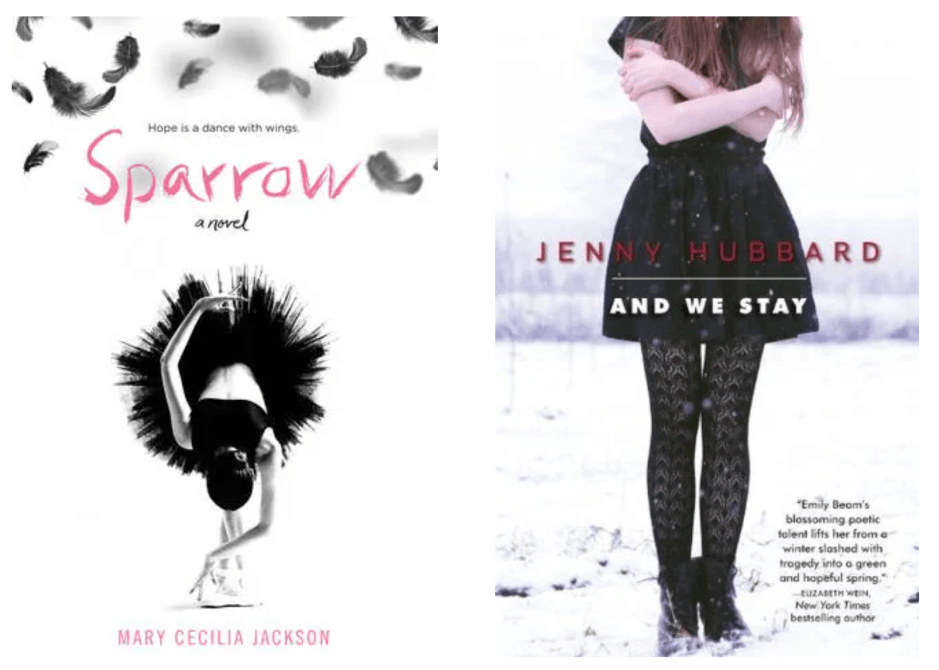
In this article, I will discuss two Young Adult books that examine trauma in the lives of two young women. The first, Sparrow, by Mary Cecilia Jackson, tells the story of the lives of the titular character Sparrow and her friend Lucas, before and after she experiences a brutal domestic attack by the hands of her boyfriend Tristan. The second, And We Stay, by Jenny Hubbard, intertwines the present experiences of the narrator Emily Beam with flashbacks of her life mere months before when a series of events led to the death of her boyfriend Paul. In considering these two books, we situate trauma amid the lives of two teenage girls and observe how each deals with her circumstances. As such, we see both the loneliness of pain and the delicate, slow inner strength that emerges from each of them. The quote from Shakespeare’s Twelfth Night, which Sparrow also quotes, helps reflect the unique tones of these books. 

Sparrow is split into the perspectives of Savannah Darcy Rose—or Sparrow, as everyone calls her—and her friend Lucas before and after she is attacked, which depicts both someone enduring trauma and a loved one watching this pain fundamentally change the life of someone they deeply care about. Sparrow and Lucas are two talented ballet dancers who are made pas de deux partners for an upcoming performance of Swan Lake. I stumbled into this novel after searching “YA Romance” in a library database. This was one of the results, and I quickly checked it out without reading the description after I saw the tutu on the cover and my obsession with ballet got the best of me. Boy, was I shocked.

Sparrow begins a romance with Tristan, a popular boy in her class. He sweeps her off her feet with his gentleness and sweetness. She feels seen for the first time, and this is only intensified by the fact that Tristan enjoys great popularity among their peers. She quickly falls in love with him, and other people and commitments begin to slowly fade into the background.

When Lucas discovers this, he tries to tell Sparrow that Tristan isn’t the kind of person she thinks he is. He is mean and violent and gets away with anything he pleases because he has a rich and powerful father. Sparrow, newly in love, takes his warnings as signs of jealousy, but it quickly becomes apparent that Tristan is everything Lucas depicted him as, if not worse. He becomes dominating toward Sparrow, behavior that soon devolves into possessiveness and verbal abuse toward her. Not long after that, he starts physically abusing her.

Sparrow hides the truth from everybody. She lies to her family and friends, even when her injuries are obvious. She persuades herself that Tristan loves her; he can’t control his temper, and it was her fault for enabling it. She cuts herself off from everyone who truly loves her, until, one night, after suggesting to Tristan that they take a break from their relationship to focus on preparing for important upcoming events—her Swan Lake performance and his college applications—he becomes angrier than he has ever been with Sparrow. He takes her to a deserted location, hurts her until she is nearly dead, then deserts her. 

Sparrow is found and taken to the hospital, where she begins a long road to recovery. Her physical state is so damaged that even after months, she looks like a completely different person. Her mental state is even worse. She won’t speak to anybody. When her family takes her to see a therapist, she won’t even speak with her. 

Lucas is forced to stay on the sidelines as he watches Sparrow’s entire life fall apart. He cares for her deeply and wants to help fix her life, but he finds himself restrained by her refusal to speak with him and prove that Tristan was the one that attacked her. He begins his own self-destructive path that forces him to confront his own capacities for bringing about justice. 

After much time passes, Sparrow begins to open up to her therapist. Sparrow had prided herself as not being the girl who tells about the personal demons of others, but she learns that we don’t have to hold ourselves responsible for protecting those who hurt us. Our trauma is our trauma, and we deserve to treat ourselves with that recognition. In being honest with others, we can open ourselves up to being honest with ourselves. We don’t have to hide behind the experiences of other people because our reality is not less important than another’s.

And We Stay takes a slightly different perspective in focusing on the perspective of only one character: Emily Beam. Emily lives in a small town with her family, and her and her boyfriend Paul are coming to the end of their high school experience. Their lives are lightly infused with Christianity, though it becomes clear that both Emily and Paul have troubles with faith. Emily unexpectedly becomes pregnant, but she doesn’t want to keep the baby. She has dreams of attending Harvard, and having a baby would end those ambitions.

Paul, on the other hand, wants her to keep the baby. He thinks having an abortion is wrong and selfish. When Emily decides to break up with Paul, he is devastated. He tries to convince her to get back together—that they should even get married and start a family together. In a desperate attempt to change the situation, Paul brings a gun to school. Throughout the entire book, each character who knew Paul, even Emily, held the belief that Paul had never intended to hurt anybody. He had simply wanted things to go back to the way they were. In a panic, Paul used the gun to commit suicide.

After witnessing this, Emily’s parents pull her out of school. They help her get an abortion, then send her off to a boarding school. Emily meets a few nice people—her roommate K.T. and her French teacher Madame Colche. Her closest companions, however, are Emily Dickinson and her poetry, our Emily’s own poetry, and herself. Emily Beam, who had not written much in the way of poetry in the past, finds herself filled with words that she must form into poems. She writes poetry about Paul, her abortion, and her new life at boarding school. 

What is especially striking about And We Stay is the odd way that the reader feels like they are watching a story unfold through foggy glass. We see the remnants of what happened to Emily, and we hear memories of her past, but it reads exactly as one might recall a memory: short, dark, and undetailed. We don’t know a great deal about her emotional states, which makes me wonder if the author has forced the audience to feel like Lucas in Sparrow: the helpless friend who can guess what is going on in their friend’s mind, but isn’t privy to their entire reality. 

I spent the entire novel wondering why Jenny Hubbard named it And We Stay. The reasons are undoubtedly multifaceted, but one that I came away with is the dual nature of “staying,” both concerning people who have endured trauma and those who know someone who has endured trauma. Emily had people around her who stayed: her parents, her friends, her teachers, and Paul’s family. Some of these people were just around Emily, unaware of her past, but nonetheless loving and kind. While they did not step in and actively fix Emily’s life, their presence helped Emily live through her trauma. However, despite their assistance, in many ways Emily was the only person to help herself. She was the one who had to live with these experiences, who had replayed them over and over in her mind, who had to rebuild some semblance of herself and move on to live. In her own way, consciously or unconsciously, Emily decided to stay. 

While Sparrow and And We Stay depict traumatic events, they do so in such a light and gentle way that the entire experience felt like watching a feather float slowly downward. That might speak to the YA genre, but I would also argue that it speaks to the common and persistent nature of trauma. Trauma doesn’t go away easily, if ever. It lives with us, and we are forced to shape our lives and personalities around it. Moreover, I chose these books to discuss because I wanted to recognize that trauma doesn’t always need to be confronted with a loud voice or a show of having overcome such an event. As cathartic as that may be, we must also recognize that we can and more often confront trauma internally, silently, or alone. Strength doesn’t only emerge from brute force. Sometimes, we are the only ones who know about our own strength, and sometimes, we are the only person who decides to stay for ourself. I think human relationships are absolutely beautiful, but in no way can I deny that the most important relationship from which all other relational beauty emerges is the one we keep with ourself.
The Eternals: Jack Kirby’s Anticlimax

Few people fully understand just how much Jack Kirby did for Marvel.

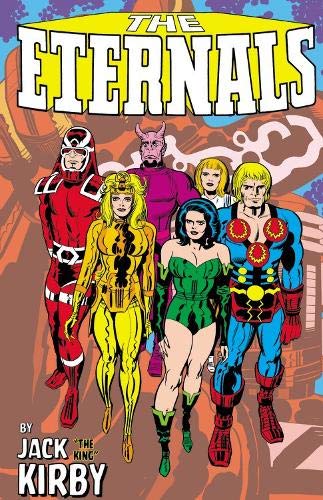
Even fewer people fully understand The Eternals, Jack Kirby’s 1976 creation that came at the tail end of his career. It was published by Marvel, yet The Eternals is entirely Jack Kirby’s creation. I quote his wife, Roz, in an interview published by The Comics Journal when I say that his Eternals was “an afterthought… an anticlimax.” She puts it best by saying, “After he did The New Gods, what more could he do?” Never has a question been more poignant, as Jack Kirby really had done everything before making The Eternals. The man was creatively spent; his resume exceeded comprehension. Kirby either co-created—or just outright created—most of Marvel. By this fact alone, the MCU is entirely beholden to Kirby. He co-created Captain America alongside Joe Simon back in 1941; at that time, Stan Lee wasn’t even a footnote in comics history. Kirby went on to co-create The Fantastic Four, Iron Man, The Incredible Hulk, The X-Men, The Avengers, The Black Panther, and the list goes on. You could write an entire book about what Jack Kirby means to comic books, and if it were 2,000 pages it still wouldn’t be the full story. The man was born for comic books, and Marvel knew it. Then he left for DC. 

Despite having worked in the industry for 3 decades prior, The New Gods’ creation in 1971 marks the climax of his career. Finally free of Marvel’s constraints, Kirby delivered his aforementioned magnum opus right to DC’s front door. It’s chock-full of mythology, science fiction, philosophy and unbridled creativity; it’s about God and man. It’s more than just a comic book. It demands answers to questions such as what it really means to be a God, to be a man, to be a hero. Then, it ended. Kirby packed up and went back to Marvel. He created a few things, the most notable of which has retroactively become The Eternals, and then he drove off into the sunset. Nobody considers The Eternals his greatest work, but it has recently been given the MCU treatment. The film is vastly different from Kirby’s original comic; it’s obvious even at a first-glance. Kirby’s art and storytelling was epic in every sense of the word. Kirby understood what God meant, he translated that in his powerful artstyle. His writing on The Eternals evokes Shakespeare, it’s a grand-stage drama that expresses his viewpoint on what Gods really are. Yet, he already did something similar in The New Gods. In fact, comic historians and readers alike would find that The Eternals seems a spiritual successor to The New Gods

It’s a distinctly odd comic for Marvel to have under its banner, especially at that time. The appeal of their characters comes from their creators’ humanity: Jack Kirby, Steve Ditko, Stan Lee, and everyone else at Marvel during its foundational years crafted human characters with extraordinary abilities. That’s the core philosophy behind their superheroes: though they’re larger than life, they’re still human, like us. Spider-Man is the tried-and-true example of this, and as a result, he’s Marvel’s flagship character. Peter Parker was a nerd before the spider bit him, that reflected the readership at the time. What then do Jack Kirby’s Eternals reflect? The perfect, undying beings seem like black sheep at Marvel, and for many fans of Kirby’s, The Eternals pales in comparison to his other work. It has a reputation of not being as good. And perhaps the MCU film doesn’t do much to prove those perceptions wrong.

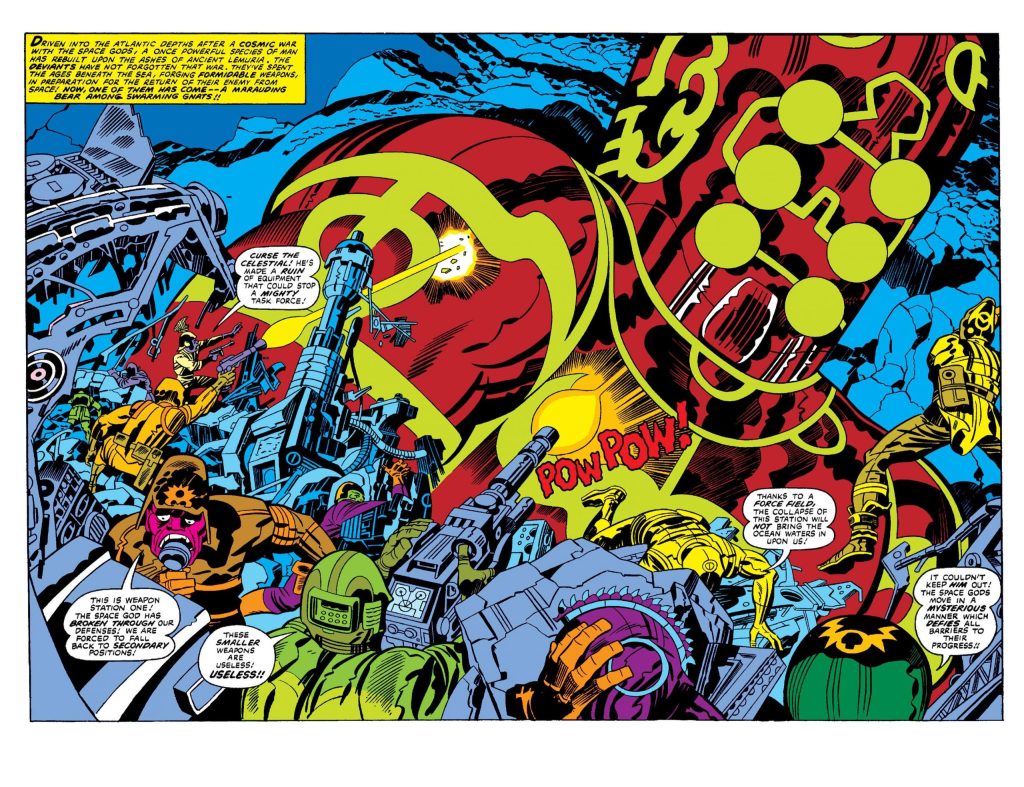
The film neuters the sheer awe and cosmic scope that Kirby’s Eternals set out to provide. The film is more narratively sound, albeit with a few plot holes—an imperfection that can be blamed on the movie already being stuffed with characters and themes. Yet, there’s not any strong themes in either the film nor the comic. The film delves into what it means to be human, not necessarily what it means to be a God. This is where Kirby’s Eternals outshines the film, its self-described Chariots of the Gods? structure screams Gods. Kirby’s Eternals—especially Ikaris—have distinct visual flair. The way characters interact in Kirby’s The Eternals matches up to the grand scale of the story. Furthermore, The Eternals has the added benefit of Kirby’s art: his larger than life figures, dynamic poses, powerful faces and awe-inspiring color work. Kirby’s artwork is genre-defining: inferior artists who replaced him have been accused of copying his style. Kirby also invented many different techniques, strategies, and conventions to help convey the unfathomable scope of his cosmic stories, including the Kirby Krackle—a collection of different sized black dots that he’d use in explosions, ray-blasts, cosmic energy, and general depictions of space. Kirby’s spectacular visual style gives The Eternals gravitas that the film sorely lacks. Visually, the film pales in comparison to the comic; though the film Thor: Ragnarok has adapted Kirby’s visuals to the big screen, an effort passionately undertaken by the film’s director, Taika Waititi. Though Eternals does translate Kirby’s beautiful, awe-inspiring Celestial drawings to the big screen rather well, the awesomeness—for a lack of a better word—just doesn’t feel as strong as it does in the comic. That being said, the comic isn’t exactly what one would consider narrative gold. The classic Kirby art carries the sometimes lacking plot and dialogue. This translates to the film, where its plot is also a bit lackluster.

Jack Kirby draws a war between the beings of Earth and a Celestial…

Kirby had a penchant for stories featuring Gods, the cosmos, and larger than life superheroes—his career was built on it. Though The Eternals isn’t anywhere close to as good as his New Gods, nor any of his previous work, it has been given the blessing of the film adaptation. To some, it would be considered a curse: seeing Kirby’s vision pulled apart and watered-down is the unfortunate consequence of adaptation. His plethora of characters have been adapted before, of course, but something truly feels off about his Shakespearean Eternals being twisted around into another group of MCU superheroes. There’s no easier way to say it, but the film is definitely different than the comic, for better or for worse.

Even if The Eternals wasn’t well-received during its release (Kirby’s run was effectively cancelled at issue #19), the run should be regarded as a monument to its creator: a man who created entire worlds that we could only dream of. A man who, for many, is regarded as the forgotten Godfather of modern-comics. And a man who would agree with his wife, saying: “[The Eternals] is an anticlimax.” But, that’s okay. After all—he was only a man. What more could he do?

Our Favorite Tropes: 6 Recommendations and Why We Love Them

This post is a collaboration between Makayla Aysien and Lauren Kuhman

Enemies to Lovers

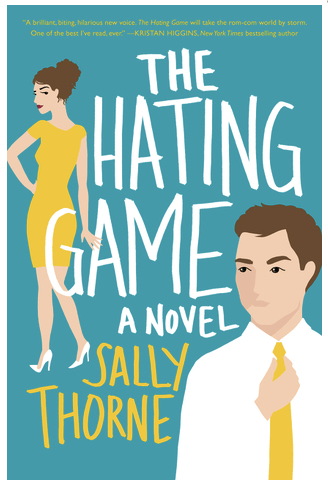
The Hating Game—Sally Thorne. The Hating Game follows Lucy and Josh—two people who work for the same publishing company—who are forced to work in the same office space, and who absolutely despise each other. Lucy is sweet, colorful, passionate, and friendly, while Josh is tough, reserved, and intimidating, but no less passionate than Lucy. The two clash so often and so epically that their heated relationship is infamous at their little publishing company, Bexley & Gamin. When a promotion becomes available—available to only one of them—their competition appears to come to an all-time high. Amid the chaos of change, and the two of them knowing that their current dynamic will surely be altered by this promotion, the main question is what kind of new relationship might blossom between the two of them. 

The Hating Game is the book that pulled me into the romance genre. I thought I had picked up a mediocre book that wouldn’t distract me while I was supposed to be committed to schoolwork, but this turned out to be one of the best mistakes I have ever made! With its endless hilarity and truly passionate romance, I couldn’t put it down. Other enemies to lovers books like to point out the fact that their main characters are “verbally sparring” without actually bantering, but Lucy and Josh know what it means to be witty. I think it’s safe to say that Sally Thorne has reinvigorated the enemies to lovers trope in the modern romance genre.


Found Family

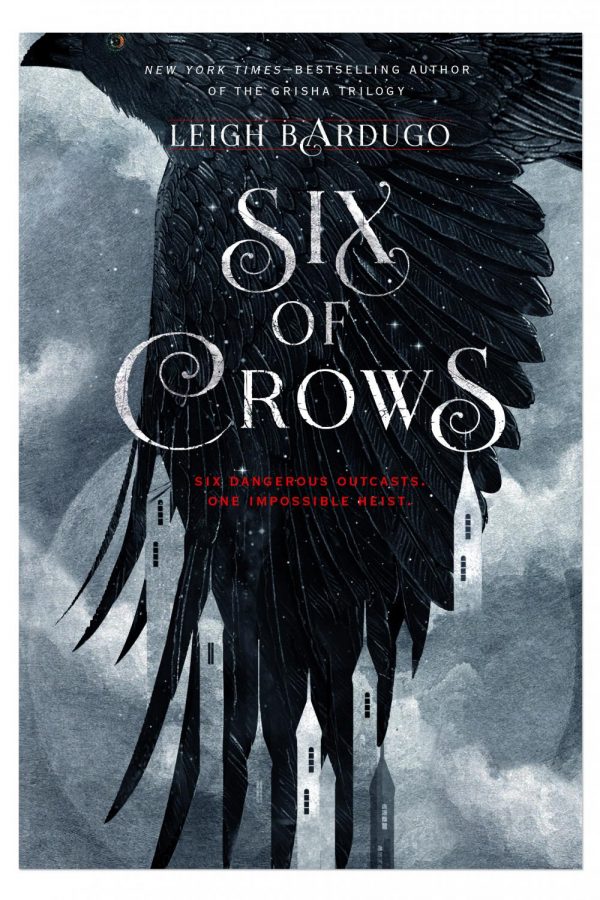
Six of Crows—Leigh Bardugo. Six of Crows follows a handful of teenagers in Ketterdam, a city where capitalists’ dreams come true and gangs run the streets. When an opportunity comes along to become obscenely wealthy, Kaz Brekker—leader of one of Ketterdam’s prominent gangs, the Dregs—recruits an unlikely crew to complete a heist. 

Six of Crows is everywhere, and it deserves all the hype it gets. It intertwines some of the greatest storylines and tropes imaginable, from heists and trickery to young love and friendship. Bardugo has created vivid, lively, but vastly different personalities who somehow come together to achieve their goals. Every member of Kaz’s crew comes from some sort of great familial loss, but in working together, they discover a love for each other that is more important than any other wealth.


Workplace Romance

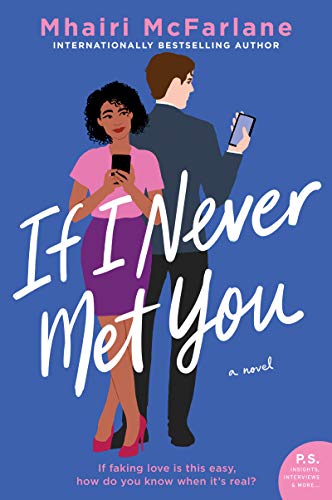
If I Never Met You—Mhairi McFarlane. This romance follows Laurie, a successful career woman, whose longtime boyfriend suddenly and unexpectedly ends their relationship. Their breakup is made all the more awkward by the fact that they work for the exact same law firm. Laurie hasn’t dated in years, but her ex and his new girlfriend, as well as the workplace gossip about her love life, pushes her to take action. After running into Jamie Carter, the office playboy whose love life is the topic of conversation far too often, they hatch a plan to pretend that they are dating.

If I Never Met You combines one of my favorite tropes—workplace romances—with another amazing romance trope: fake dating. While this is very much a romance novel, it offers a unique type of romance to the genre. It’s subtle, slow, and sweet. This book focuses a great deal on Laurie and what it’s like to move on from a relationship that ended in profound heartbreak, but also offers a gentle hand to those who are learning to open their hearts back up again.


Main Character Ends Up with a Celebrity

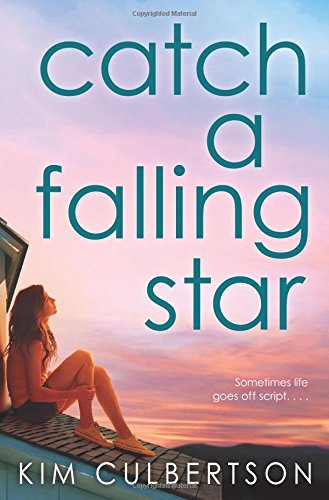
Catch a Falling Star—Kim Culbertson. I am a supporter of the fact that romances don’t need to be incredibly physical to be amazing or that adults can’t enjoy YA novels—and Catch a Falling Star is no exception. One of the first novels I bought and read myself at my school’s Scholastic Book Fair, Catch a Falling Star perfectly encompasses all the feelings of young love with the caveat that the main character doesn’t initially want such feelings. This fairly short novel is about a small town girl who, when a movie star comes to film in her town, is asked to portray the celebrity’s girlfriend. While the relationship is tense at first, it isn’t before long that both catch feelings. But is it real? Can the two survive the pull of their completely different lives?

This is a great read any time of the year, but if you don’t like the cold and are dreaming of summer look no further for a perfect wish-I-was-on-the-beach read. As well, for fans of Disney Channel’s movie StarStruck this book encompasses those tensions, feelings, and hope that young love can offer.

Honorable Mention

Girls Save the World in this One—Ash Parsons. We couldn’t include this trope without mentioning Girls Save the World in this One by Ash Parsons. A quirky and lovable novel that combines unlikely romance and the zombie apocalypse, this book is perfect for anyone wanting a typical literary trope with a unique plot.


Self-Discovery and Mental Health

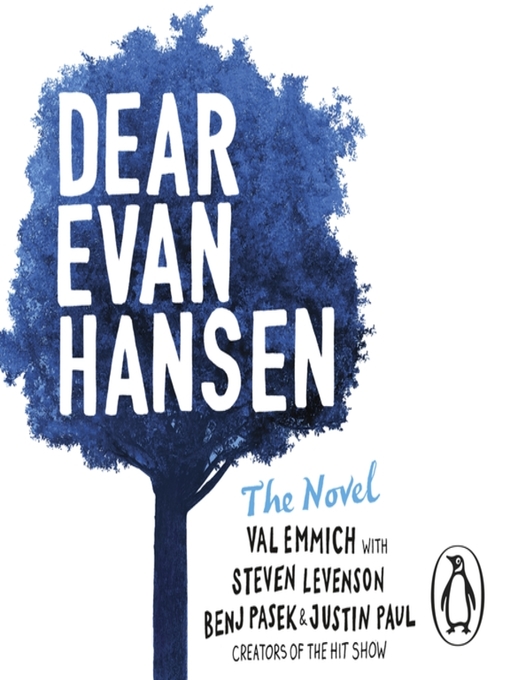
Dear Evan Hansen—Val Emmich. A musical, a book, and now a movie, it goes without saying that Dear Evan Hansen has become a world-wide phenomenon (and with good reason). The story follows Evan Hansen, an anxious and isolated high-schooler. One day he is tasked with writing a letter to himself by his therapist—however fellow student, Connor Murphy, takes the letter. The next day, Evan Hansen is approached by Connor’s grieving parents who believe that the letter was a final note from their son, who took his own life that day. Evan Hansen is pulled into a conflicting situation as he searches for belonging while addressing the harsh reality of being a young person and lifting the grief of the Murphy family.

Dear Evan Hansen is an amazing story and addresses so many ideas but mostly emphasizes the idea of personal growth and self discovery as Evan Hansen searches for meaning and belonging while making some pretty bad decisions. Additionally, the story is available in many formats that all articulate the prevalence of Evan Hansen’s journey. The book and movie are the most accessible, but as always I encourage you to read the book first (and as a bonus listen to the original sound track as you read!).


Psychological / Survivalist

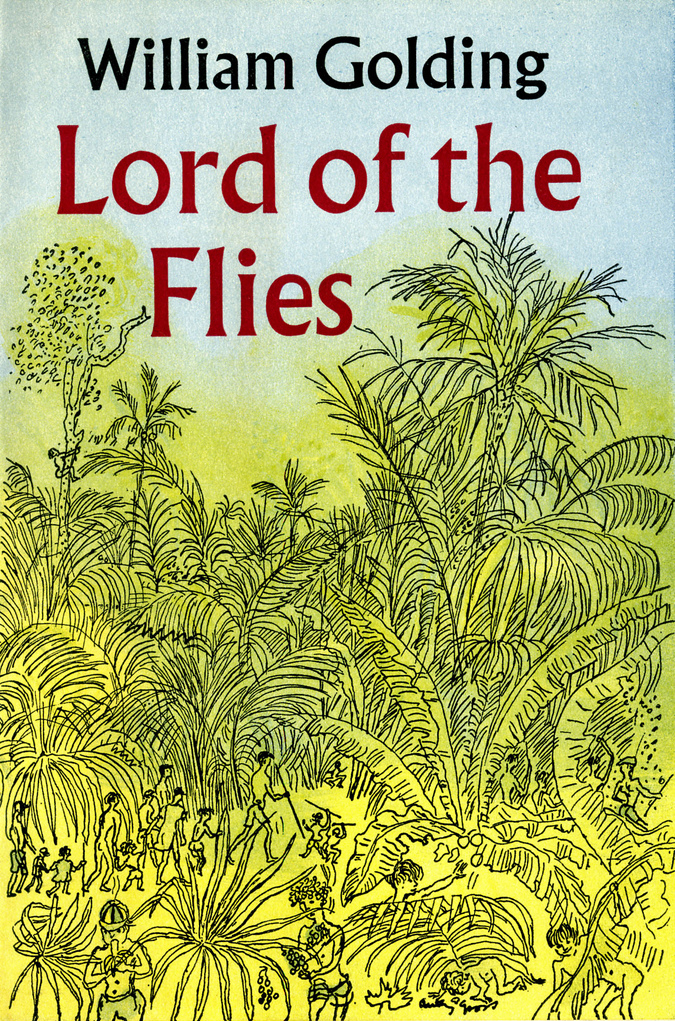
Lord of the Flies—William Golding. Lord of the Flies by William Golding is just an all-around good book. Short and concise, the novel follows a group of young boys who have recently been stranded on an island. What begins as an organized attempt to survive quickly descends to chaos. Declared a classic and recipient of the Nobel Prize, the novel goes beyond its acclaimed status. It is the type of story that offers something new every time you read it; it takes on multiple forms, multiple focuses, and articulates new ideas. It is timeless not only because it speculates some of the most innate qualities of humanity, but because it is a story that answers the age-old question of what would happen if you were stranded on a desert island. So…what would you do?

7 Books that are Overrated

Everyone talks about the books they love—those they’d recommend and can’t live without. However, despite people’s tendency to love to hate, no one likes to call out the books that deep down they just think are overrated. Fellow Spellbinding Shelf blogger Makayla and I have listed seven novels that we believe to be the most over-rated. Some of them are famous, some of them will probably be famous, and some of them are just not the best (in our opinion). That is not to say this is a comprehensive or objective list. Our list is composed of personal biases and opinions—you may or may not agree, and that’s okay! We just wanted to call out some of the novels that, while we love the author or deep down enjoyed the story, they don’t need to be as famous as they are today.


Safe Haven—Nicholas Sparks. I wish I loved Nicholas Sparks—I really do. I have had the pleasure of knowing many people who regard him highly, and I find their enjoyment adorable. However, his terrible writing, combined with the lack of diversity in his novels and the blatant sexism within the world of book publishing has left a permanent distaste in my mouth. To be fair to Nicholas Sparks, I have only read one of his books: Safe Haven, but to be fair to myself, and this post, it was because I could not manage to read more than this one. Even getting through Safe Haven took me half a year. His writing is basic and lacks depth. It wouldn’t bother me so much, because a great deal of writing is basic and lacks depth, if he was not so popular. His stories always unfold the same way, and they always feature two white leads—one male, one female. Finally, what I will never understand is why his books are shelved in “fiction.” I had the pleasure of working at a bookstore for years, and his books had to go in the fiction section because they have “fictional themes.” What that means is that Nicholas Sparks got the honor of being shelved in what people view as a more serious genre—when the romance genre, where he belongs—has no male authors, is given the deeply sexist label of “chicklit,” and disregarded as also having “fictional themes.” His popularity has been fading as the years go on, but maybe it’s time it fades all the way.


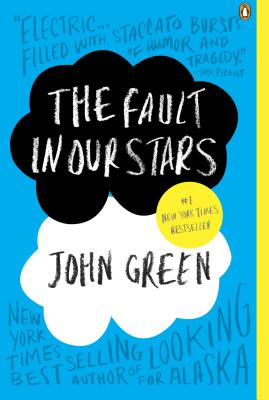
The Fault in Our Stars—John Green. I am a long-time fan of John Green and I love his novels—however, appreciation of anyone (especially authors) is not without some good ol’ criticism. While this may be an unpopular opinion, The Fault in Our Stars is a fairly basic love story, and while sad, it also doesn’t add anything new to the genre and is a form of tragic romance that was, and is, common in the romance genre. Additionally, its adaptation into a movie only pronounced the cultural craze over the fairly basic plot. It had everything that could push it into fame, right down to the cheesy tag ling “Okay? Okay.” Don’t get me wrong—I liked The Fault in Our Stars and I love John Green’s novels. However, between the facts that the novel is so famous it’s annoying and the plot doesn’t add anything new to the genre, it’s pretty overrated. Let’s just say I’ve never had the desire to reread or even rewatch the, albeit good but overrated, story.


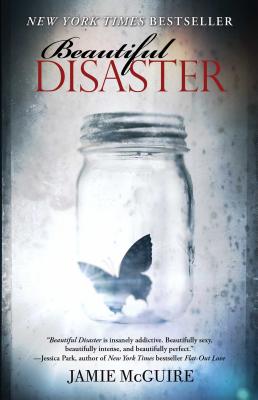
Beautiful Disaster—Jamie McGuire. As a teenage girl, the last thing that should be recommended to you is a “romance” novel that features an abusive relationship, while still being marketed to you as sweet and the ideal relationship that you should aspire to have. When I was a teenager, I eventually gave in to reading Beautiful Disaster after the incessant pestering of both the internet and other people, only to find that what I was told was an “opposites attract” romance novel was actually a disturbing story about a man with anger issues and his obsession with the main character, an average girl. A lot of romance novels feature an “average girl,” to show that everyone is deserving of love and deserving of being worshipped by the people we think are too good for us. Beautiful Disaster takes this and shows that even the average girl can find themself in an abusive relationship they can’t escape from and wouldn’t even want to escape from because they have fallen into a deeply twisted love story with someone who doesn’t really love them. The number of people who think this book depicts a romance is truly saddening. 
Perhaps worst of all, the author of Beautiful Disaster is a massive racist and incredibly sexist. This isn’t simply apparent in her writing; she has used social media to share these offensive thoughts. “Offensive” isn’t a strong enough word. She’s a despicable person who does not deserve to publish books. Even worse, last month in October, it was announced that Beautiful Disaster would be made into a movie. After other abusive stories found such success as films, like After by Anna Todd and Fifty Shades of Grey by E.L. James, how could we not throw another one into the mix? We don’t need another one! There are so many amazing romance novels to choose from that are healthy and adorable. Jamie McGuire needs to be cancelled. 


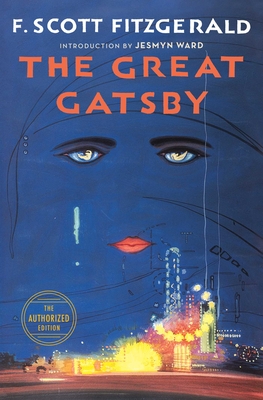
The Great Gatsby—F. Scott Fitzgerald. The Great Gatsby is a proclaimed classic, is read in practically every American classroom, and has inspired way too many 1920s-themed parties. Again—don’t get me wrong, it’s a good book—but does it really still deserve the fame? The novel only adds to the long list of predominantly white, male perspectives students receive in school and the book is arguably misogynistic. And whether or not this misogyny is a product of its author’s opinions or a deliberate criticism of the attitude towards women, the trait isn’t very redeeming. I think there are better books and stories that can be highlighted and taught and while it’s a great book and essential read it has moved into a phase of cultural phenomenon where the original intention, symbolism, and plot of the novel is now irrelevant and can be misconstrued—which has inevitably led to its overrated status.


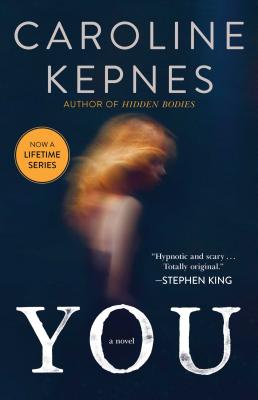
You—Caroline Kepnes. You—the popular Netflix series—was a book series first, but I bet anyone reading this post knew that already. This might be an unpopular opinion, but You, both the show and the book series, are massively overrated. The book is in the point of view of our stalker and serial killer Joe Goldberg, as he breaks into homes and kills everyone that he thinks is going to steal the object of his obsession away from him. As if the stalker and serial killer bit wasn’t enough to make you think “he’s not for me,” Joe is also massively arrogant and pompous. He’s an aspiring writer and admittedly well read, but he thinks that this makes him superior to everyone else. The problem with this is that the author Caroline Kepnes has written Joe’s narration in such a way that denies his intelligence, so we have to live with his pretension without getting the payout of smart writing. Furthermore, Kepnes’ writing perpetuates sexism and glorifies this sort of behavior. I’m not sure if she was going for creating a creepy book that we were all supposed to find creepy without her having to make some sort of moral commentary, but she failed in making this book appropriately creepy and thrilling. Rather, she made a book from the point of view of a serial killer boring, which has to be morally impermissible, right? Perhaps an example of her lack of success in achieving her intended message can be shown in the fact that my library does not shelve You in mystery or thriller. It shelves You in romance. If you want to read a book about a creepy man stalking a young woman, read The Seducer’s Diary by Soren Kierkegaard. I was nauseous the entire time, but I can’t deny that Kierkegaard succeeds in showing he’s a massive creep.


Romeo and Juliet—William Shakespeare. I have a fair amount of qualms regarding Romeo and Juliet—not Shakespeare. Mostly, my criticisms stem from the popular interpretation and public perception of this famous play. It has been referenced too many times, hailed by too many romantics and young people, and acclaimed too often. Romeo and Juliet is a tragedy and not even one of Shakespeare’s best works. It is similar to the Mona Lisa – it’s only famous because of the attention given to the work. Yes, the themes are good. Yes, the story is a “classic.” But do we need to read it so much in school? Do we need several movie adaptations and dozens of inspired stories based on this play? Probably not.


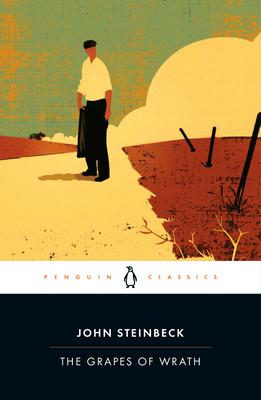
The Grapes of Wrath—John Steinbeck. Again, we have come across an author who I wished that I loved: John Steinbeck. He isn’t a terrible writer, and I can’t deny that his books reflect a time period in American history that is intertwined with such tragedy. However talented he is at reflecting the reality of many Americans, he is also very talented at crafting the driest characters and creating scenarios with unnecessary details. The Grapes of Wrath was the first book that I read by Steinbeck, and even though I thought it was terrible, he clearly has enough talent for me to force myself to read some of his other books (Cannery Row and Tortilla Flat). What I learned is that all of these books are the same: his characters are poor and desperately want alcohol. If we’re allowed to write this repetitively, then maybe I can go on to win the Nobel Prize in literature too! He is praised for his “keen social perception,” but I have to say, it feels like a bunch of white men patting each other on the back for doing nothing. 

Book Review

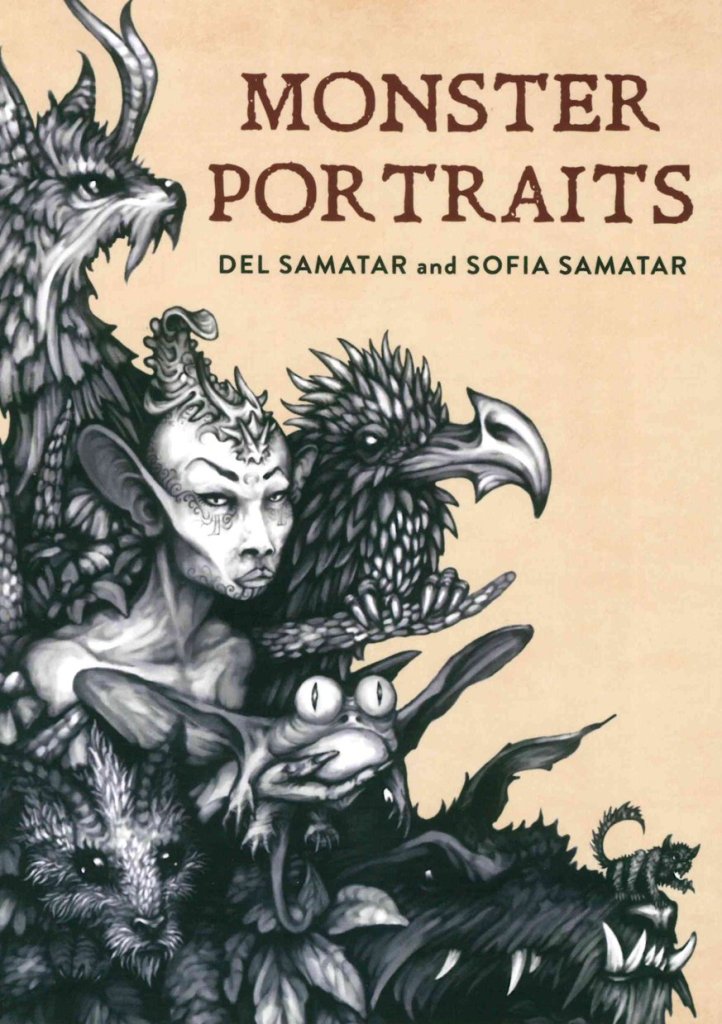
Monster Portraits by Del Samatar and Sofia Samatar

Publisher: Rose Metal Press
Genre: Autobiography
Pages: 84
Format: Paperback
Buy Local
My Rating: 5/5 stars

Summary

Monster Portraits is the autobiography of two siblings told through a collection of monsters. Each monster is given a visage through Del Samatar’s intricate illustrations and a voice through the collected snippets of story, lore, and ephemera transcribed by Sofia Samatar. But each portrait also contains a fragmented depiction of the authors. Their own mosaic portrait makes its lair in the margins.

Monster Portraits is as gorgeous as it is challenging. It won’t take you long to finish and once you do, you’ll immediately want to read it again.

Thoughts

I love books of monsters. The Monster Manuals of assorted tabletop roleplaying games, the seventh-century Liber Monstrorum, the apocalyptic visions of Daniel, and now Monster Portraits. As a kid I would pore through illustrated works of fantasy and religion looking for pictures of strange creatures. I made my own monster catalogues in 70-page college-ruled notebooks with pencil drawings to show where the claws and the guns and the wings went.

What compels me most about books of monsters is not first reading them, but rather returning to them later. Monsters draw their strength from how well they compel us to reimagine them again and again. They are representations of our fears, testing grounds for our desires, or metaphors for power beyond our reach. And so the ones we return to are those which are useful for storing bits of ourselves we cannot otherwise find shapes for. In this way, all books of monsters are autobiographical.

Sofia Samatar has been interested in monsters for a long time too. In many ways this book is a continuing conversation of her early short stories on monsters, particularly “Those” and “Ogres of East Africa.” Sympathy for and self-identification with monsters was also a major theme of her first novel, A Stranger in Olondria.

Del Samatar’s illustrations, however, force her writing into a new track. The monsters in this book feel quite distinct from those she usually writes about. Del’s illustrations are exactingly detailed—and so rather than clarifying, Sofia here seeks to obfuscate. Her fragments are interspersed with conjecture and tangent which add a layer of mystery to the precise images. Some of the entries read like prose poems, others like clippings from the history books of a parallel world, others like the start of short stories without endings.