Book Review

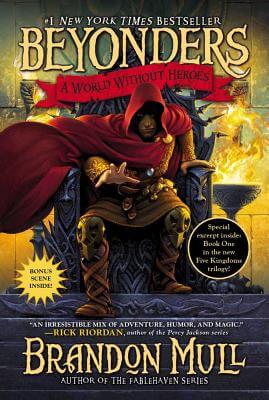
Beyonders: A World Without Heroes by Brandon Mull

Publisher: Aladdin
Genre: Fantasy
Pages: 512
Format: Paperback
Buy Local
My Rating: 5/5 stars
Summary

Jason and Rachel were from our world and lived very ordinary lives until they were sucked into a magical realm known as Lyrian. This world is run by an evil ruler named Maldor. After accidentally discovering a secret that has Maldor hunting after them, Jason and Rachel must set off on a strange quest. There is a word that has been divided into several syllables that, if spoken to Maldor, will kill him. With the help of a blind king named Galloran and several new friends made along the way, Jason and Rachel will do whatever they can to end Maldor’s reign of terror.

However, Maldor has some tricks of his own. Deceitful loyalists, deadly obstacles, sinful temptations, and a dark secret from centuries ago will strive to stifle any attempt to unseat this dark ruler. After all, Lyrian is a world without heroes, and Maldor will do whatever it takes to keep it that way.

Thoughts

The best part of any Brandon Mull book is undeniably his world-building, and Beyonders is no exception. Lyrian is a magical realm unlike any other and is exclusively populated with unique fantasy characters that can’t be seen anywhere else. My two favorite creatures introduced are the displacers—beings who can remove any piece of their body without losing its function—and the seed-people, beings who, when they die, plant a seed found at the base of their neck and grow an entirely new body. These creatures make Lyrian a world that can only be experienced within this series, giving it a unique touch that makes rereading easy. Not only that, but the uniqueness of the people within Lyrian help guide the reader to oppose Maldor, as his destructive need to control Lyrian inherently threatens the world the reader has come to love.

In a similar vein, the character building in this series is also magnificent. Rachel and Jason are charming characters who balance their confusion and fear in the face of this new world with their desire to help their new friends seamlessly. They also have incredible chemistry as a duo and their interactions lead to some of the funniest parts of the series. The people they meet along the way are also unique and well-rounded—there are no throwaway characters in this series. Everyone has fully developed desires, aspirations, and personalities and they all feel integral to the overall narrative. This also aids in the reader’s investment when these characters are in danger or die. There are no meaningless deaths in this book: they all impact the characters and the reader.

The most unique aspect of character building in this series is the redemption arc of a specific character. Not to spoil the series, but there is one character revealed to be a spy for Maldor that eventually joins the heroes. The constant question as to whether they will betray them again is fascinating enough as it is, but it’s the struggle of the character themselves that really makes this story a special one. Brandon Mull doesn’t pull any punches with this character—rather, he fully addresses the difficultly of abandoning what you once believed, the struggle to be honest after deceiving for so long, and the pain of being constantly distrusted and despised even as you try to change. By far, this is the best arc of the series, and it ends perfectly in the third book, and anyone who wishes to write a redemption arc should read this series.

Lastly, this book also has both a great sense of humor and the ability to be serious. The comarderie between the characters leads to hilarious banter that really lets the characters connect on a personal level. Likewise, the book doesn’t shy away from showing the abuses that Maldor perpetrates and the risks that these characters face in opposing him. When characters die, they stay dead, and their loss is felt for the rest of the book. These conflicting energies play off each other perfectly, with the humorous moments showing the beauty of Lyrian and the serious moments showing how much would be lost if Maldor took over completely. The reader feels the risk and the loss along with the characters and is therefore brought along for the ride.

Overall, I adored this series. My favorite aspect of the fantasy genre is that the reader gets to experience a brand new world full of incredible people and places, and Beyonders delivered that in spades. I highly recommend Beyonders to anyone looking for a great fantasy adventure to dive into this year.
Al Ewing’s Immortal Hulk: What Makes a Good Person?

Are you a good person?

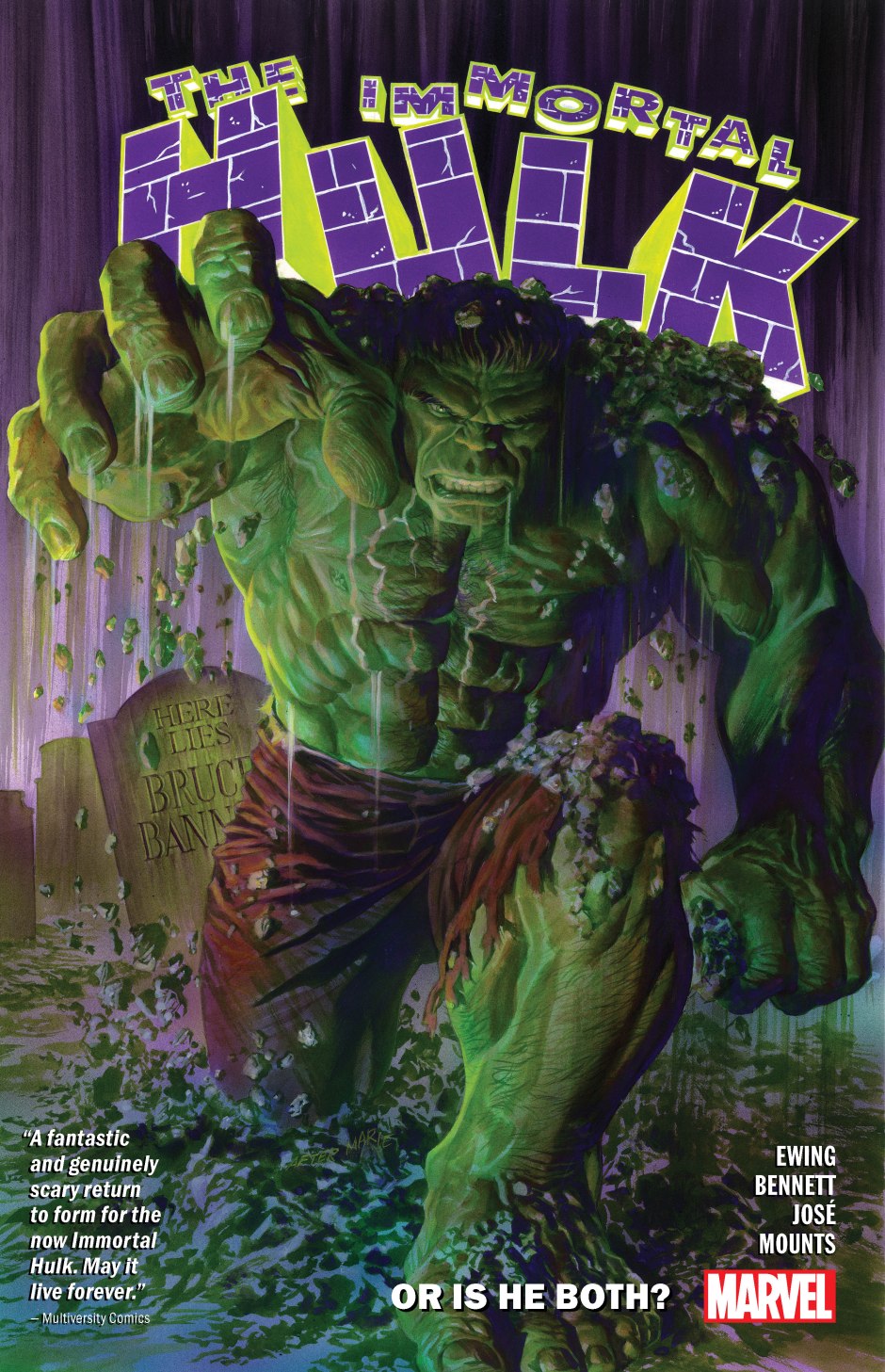
That’s the question The Immortal Hulk asks. The series recently wrapped up with Issue #50—it enjoyed a strong three year run that I’m honored to have experienced since Issue #1. I remember the cover to Issue #1 (pictured above) and how I couldn’t stop staring at it when I went to pick up my subscriptions for the week… Hulk stared right back at me. Hand outstretched, one massive leg pushing the enormity that is Hulk out of his grave. I must’ve blacked out: the next thing I remember is devouring every word Al Ewing penned for Issue #1 as if it were gospel. This comic isn’t Hulk as you know him, this is The Immortal Hulk: you can’t kill him.

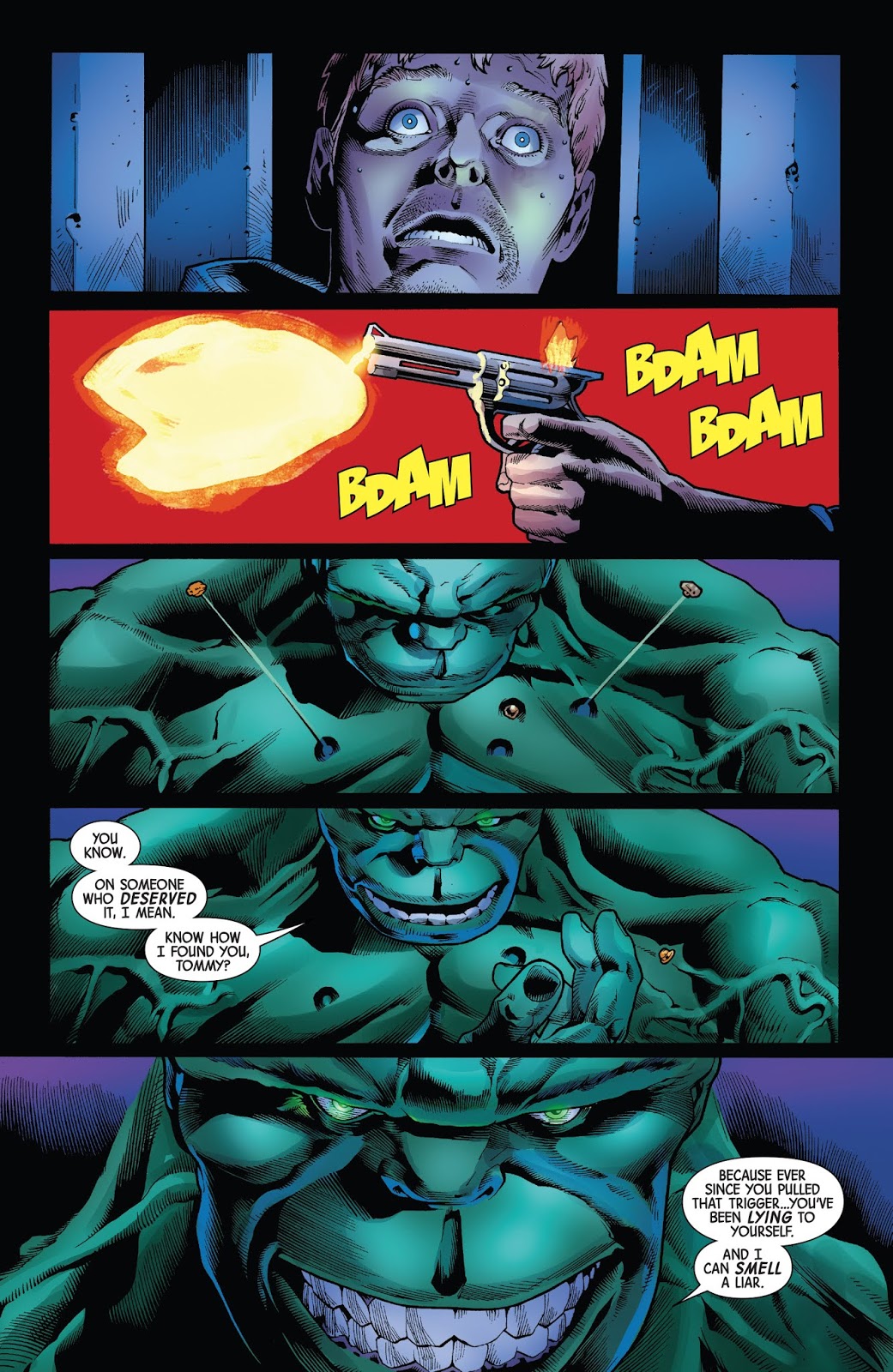
Immortal Hulk confronts a criminal in Issue #1…

Issue #1 establishes everything you need to know for the entire 51-issue series. (The Immortal Hulk ran from issues 1–50, but also has Issue #0, which is a must read.) You can’t kill Hulk, but you can kill Banner. This story came off the coattails of Marvel’s Civil War 2, wherein Bruce Banner was killed by Hawkeye and his conveniently made Gamma arrow. Ewing’s answer to the outrage that followed Bruce’s death was simple: “You can kill Banner, but you can’t kill Hulk.” What followed is his run with a wide range of influences: Dante’s Divine Comedy, the Bible, as well as Jack Kirby and Stan Lee’s original 5 issues of The Incredible Hulk are but a few examples. While the literary influences are enough to make your head—and computer—spin, it’s the original issues of The Incredible Hulk that were monumental in shaping Ewing’s story. Many people know Marvel’s Hulk and the trademarks that make up his character: he’s the strongest there is, you wouldn’t like him if he’s angry, and of course, “Hulk smash!” But few don’t realize just how different today’s Hulk is from the Hulk Kirby and Lee envisioned during his creation. Today’s Hulk is a dabbing member of the Avengers, a fun monster who smashes cars and buildings without any serious repercussions until the narrative deems it necessary. Even then, all the damage Hulk causes is dismissed as the actions of a mindless monster, similar to the treatment of Dr. Frankenstein’s very own monster. You can’t blame the latter just as you can’t blame Hulk. After all, his whole schtick is smashing and being the strongest; he’s a green giant who loves smashing things, and eventually Bruce Banner will find a way to get rid of Hulk and everything will be fine… right?

Ewing’s response would be an emphatic “no,” in the form of 51 issues of The Immortal Hulk. Ewing uses all 58+ years worth of Hulk comics to cultivate a story that goes against what people may think Hulk is about. Yes, Hulk is very strong and smashes things occasionally. But in those original issues of The Incredible Hulk, the monster had some depth. Stan Lee took inspiration from Dr. Jekyll and Mr. Hyde as well as Frankenstein when creating Hulk, and Ewing’s one of the few Hulk writers who understands what that means. Hulk is horrifying in The Immortal Hulk—no kidding. If you’re brave enough to read it—which you should be—you’ll see Hulk eating people, tearing monsters’ limbs off, decrepit skeletons, and more Cronenberg-esque body horror. Unlike the Hulk people have grown accustomed to with his mindless smashing, smiling, dabbing, and where he is now after Endgame: a happy Bruce, Ewing’s Immortal Hulk is damaged. He remembers all the horrible sins he’s done, as well as sins done to him. And they’re immortal, just like him.

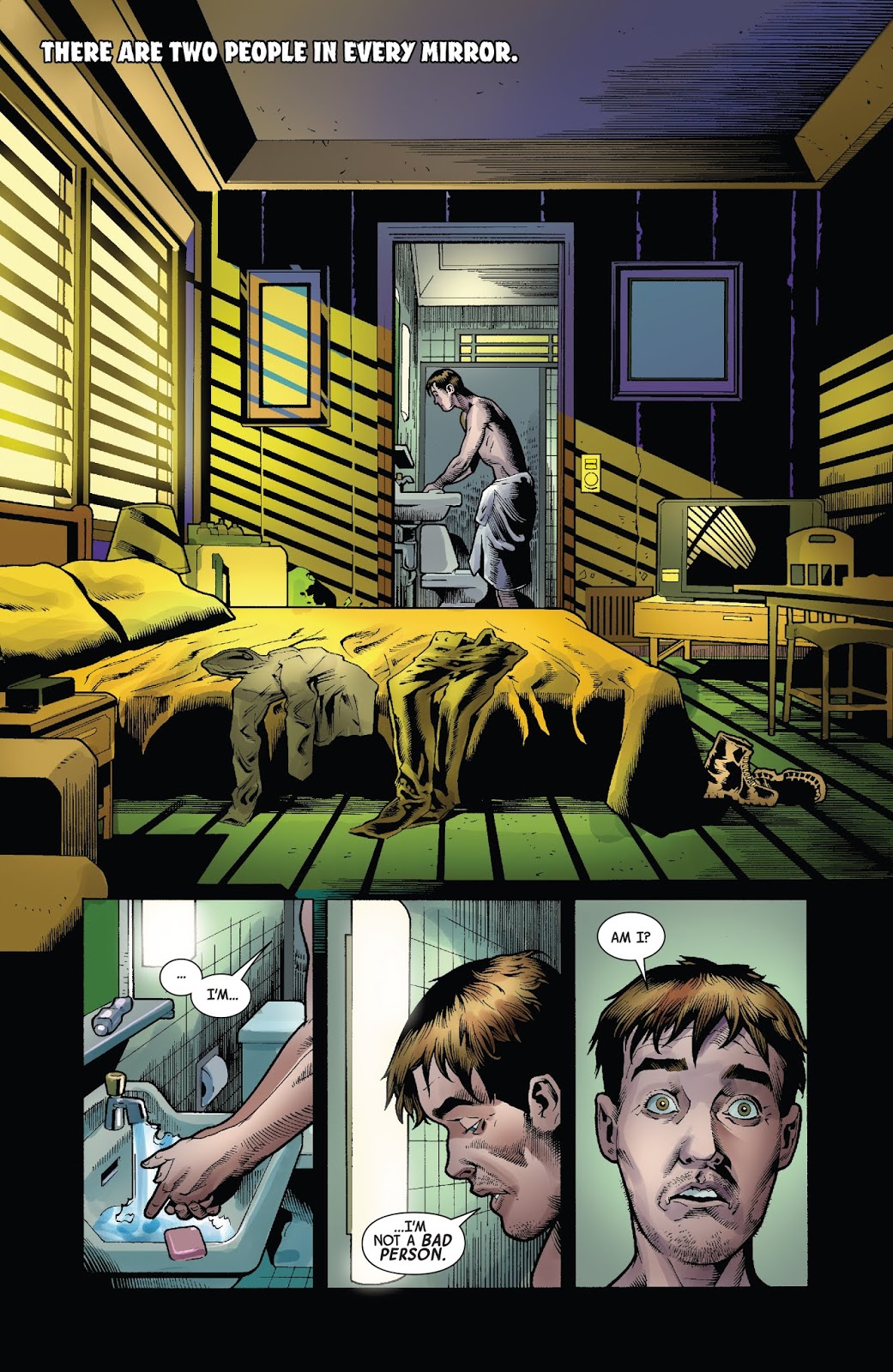
Bruce confronts himself in the mirror…

Ewing’s Hulk is what Hulk is meant to be: horrifying, and a commentary on mental health. Most Hulk fans credit Rocket Raccoon creator Bill Mantlo, and prolific Hulk writer Peter A. David (PAD) for establishing Bruce’s traumatic childhood. His father beat his mother, and later killed her. As a result, Bruce develops Dissociative Identity Disorder (DID)—with Hulk manifesting for the first time to protect a young Bruce. Traditionally, Hulk comes out when Bruce is angry, a manifestation of his anger-management issues. Ewing’s Immortal Hulk takes from PAD’s run and comes out at night, similar to Mr. Hyde. The Immortal Hulk doesn’t distance itself from what came before, but recontextualizes the past for this new terrifying—but human—Hulk.

Bruce’s failed relationships are a manifestation of his inability to overcome his traumas. His friends’ distrust in him is a result of his frequent “Hulk smash!” episodes. He tries to do good, but Hulk will still destroy, ruining (and sometimes ending) lives. Bruce is flawed. He kills his father in an attempt to run away from the pain he caused in his childhood. It didn’t work. He lashes out, trying to patch the scars up with good deeds. Nonetheless, his father will always be a part of him. It’s his struggle, one that mirrors our own as we try to be a good person. In The Immortal Hulk, Ewing forces us to ask ourselves:

Can I truly be a good person?

Book Review

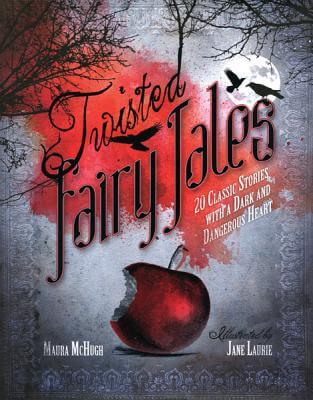
Twisted Fairy Tales By Maura McHugh

Publisher: B.E.S. Publishing
Genre: Fantasy
Pages: 144
Format: Hard Cover
Buy Local
My Rating: 4/5 stars

Summary

This Fairy Tale Anthology book is more than just another collection of classic Grimm Brothers’ Fairy tales. Each story contains a dark and dangerous heart that exposes the more fearsome side of these colorful tales. It includes 20 gothic retellings of classics such as Snow White, Little Red Riding Hood, and The Pied Piper of Hamelin, now filled with murder, blood, and a whole lot of macabre. Readers beware, the classics you loved are as twisted as they come, and you may never look at them the same again.

Thoughts

As a lover of classic fairy tales, this book was a nostalgic treat. The beats of the story remain the same overall, with only occasional twists that age up the children’s tales for a more adult audience. Snow White killing her mother, the witch being strangled by Rapunzel’s hair, Cinderella also being abused by her father, and the like give the stories a chilling aftereffect. This was helped by the fact that there were several less popular fairy tales included like “The Bone Whistle”, “May and the Elf Knight,” and “Vasilisa’s Fire.” These stories were completely new to me and as such their chilling elements had a stronger effect.

Aiding the book’s eerie atmosphere is the truly amazing art by Jane Laurie. These illustrations are the highlight of the book, providing gritty watercolored pictures of the book’s many gruesome stories. These images breathe new life into these old tales and create hauntingly beautiful portraits that pull the reader into the story in a way that the simple tales cannot. The book is also formatted beautifully, with purposely stained pages and a beautiful font that is reminiscent of the old Brothers Grimm books. This combined with Jane’s art creates a very stunning book that has an ambiance of both fear and beauty.

The one issue I took with this book is that, despite claiming to have a dangerous heart, the stories stuck too closely to the classic Brothers Grimm stories. If you are at all familiar with the origin of most of our beloved fairy tales you know that a great deal of them already have dark origins. Cinderella’s sisters cut off pieces of their feet to fit into the slipper, the Witch blinds the prince for falling in love with Rapunzel, the wolf eats Granny, and so on. When I began this book I assumed that these stories would be amped up to a more disturbing level, but for the most part, the stories simply returned to their origins and stuck with what was already dark about them. This isn’t necessarily a bad thing, but it was far from the new take on fairytales I was hoping for and left the macabre fan in me disappointed.

Overall, this was a solid fairytale retelling for an older audience. Though the stories are a bit predictable, they maintain their enjoyability and the style and artwork make them unique. If you’re in the mood for a classic retelling that embraces the dark side of fairytales, Twisted Fairy Tales may be what you’re looking for.

Literary Event Reflection: Write Here, Write Now | Kelli Trapnell: “Using Genre Techniques in Literary Fiction”

About a month ago I posted an invitation to attend the Changing Hands virtual writing worship on Monday, October 5th and now – after successfully attending my first writing workshop – I am here to reflect on my experience.

To be honest going into this workshop I didn’t know a lot. I didn’t know what “literary fiction” meant, and I didn’t understand the structure of virtual writing workshops. Also, given my current degree, I didn’t know how to write creatively.

However, since attending this workshop I find myself not only wanting to write more, but wanting to learn more. The event was virtual and included a brief lesson regarding the difference between fiction and “literary fiction” as well as an hour of practicing and learning key writing techniques within literary fiction.

Surprisingly, and probably contrary to popular opinion, I actually liked the virtual structure of the event. Besides affording me the flexibility to attend the event, I think the virtual structure helped me be more willing to read my work. As well, the instructor, Kelli Trapnell, was very supportive and not only pushed the other participants and I to think creatively, but tried to foster community with discussion and conversation throughout the program. I had never attended a literary event previously and as someone not studying English or Literature, I appreciated the opportunity to learn more, engage with the literary community, and practice creative writing with an open and supportive group.

I look forward to engaging further and learning more within my literary community, so my question to you is…what are you waiting for? Grab your pen (or laptop) and get writing!

5 Science Fiction and Fantasy Books for YA Lovers

Of all genres, science fiction and fantasy most closely match the wild exuberance and sense of wonder that makes young adult fiction so enjoyable. But when new readers are introduced to these genres, they are often recommended the first 600 page tome in a series written by an old white guy with a beard. And while there’s nothing wrong with those epics (if that’s your thing), they are certainly not the only books these genres have to offer.

Here is a list of science fiction and fantasy titles that explore the themes of self-discovery and growing up YA readers will find comfortingly familiar, but feature styles, ideas, and worlds that YA readers will find enticingly novel.

These are some of my very favorites, and I hope you enjoy them!


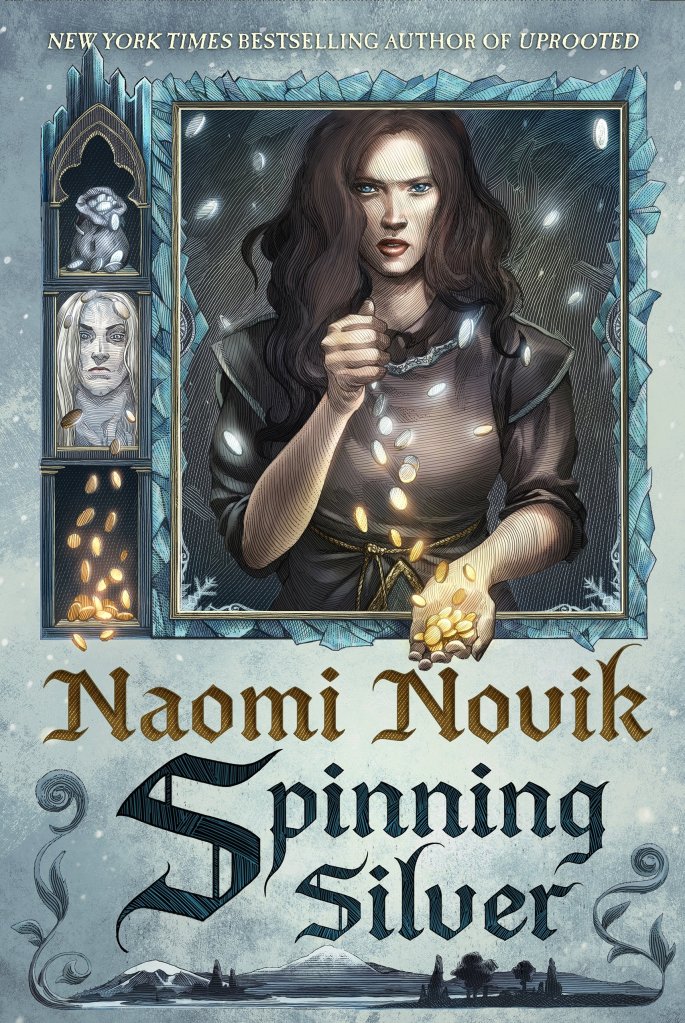
Spinning Silver—Naomi Novik. The winters in Lithvas are getting longer, the harvests poorer. But Miryem Mandelstam, despite her youth, is keeping her family fed, clothed, and sheltered. She has taken over her father’s failing moneylending business and rebuilt it. But one day, proud of her success, she unwisely brags that she can “turn silver into gold.” Word of this brag reaches the Staryk—the strange and cruel winter fae who inhabit Lithvas’ woods. They take her brag literally, and show up at her doorstep with fairy silver, expecting gold in return. If she fails this impossible task, Miryem knows the Staryk will kill her, but even if she succeeds, the strange kindnesses of the fae may be more terrible than their wrath.

A new take on a classic fairy story, Spinning Silver is equal parts clever, romantic, and terrifying.

Trigger Warning(s): This book is written from a Jewish perspective and deals frankly with the history of antisemitism in Eastern Europe.


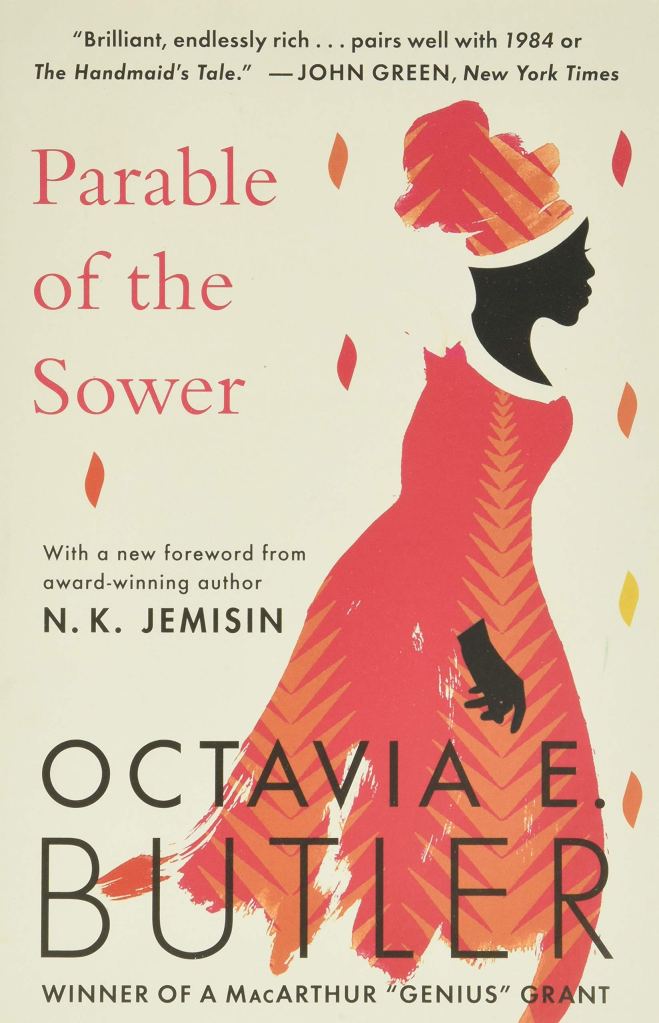
Parable of the Sower—Octavia E. Butler. In a future United States ravaged by climate change and capitalism (not too dissimilar from our current reality), teenaged Lauren Oya Olamina keeps a journal of her life. She had been blessed (cursed?) with the ability of hyper-empathy, which forces her to share the sensations of people around her. Hyper-empathy can be quite deadly to those who suffer from it in this violence-plagued world. Lauren must struggle to survive and grow, always seeking a place where she and her loved ones can be safe.

A decade before dystopian novels would become a trope of YA fiction, Parable of the Sower invented many of the conventions that would later become staples of the subgenre.

Trigger Warning(s): This book depicts a collapsing society. It contains depictions of violence, including racist and sexual violence.


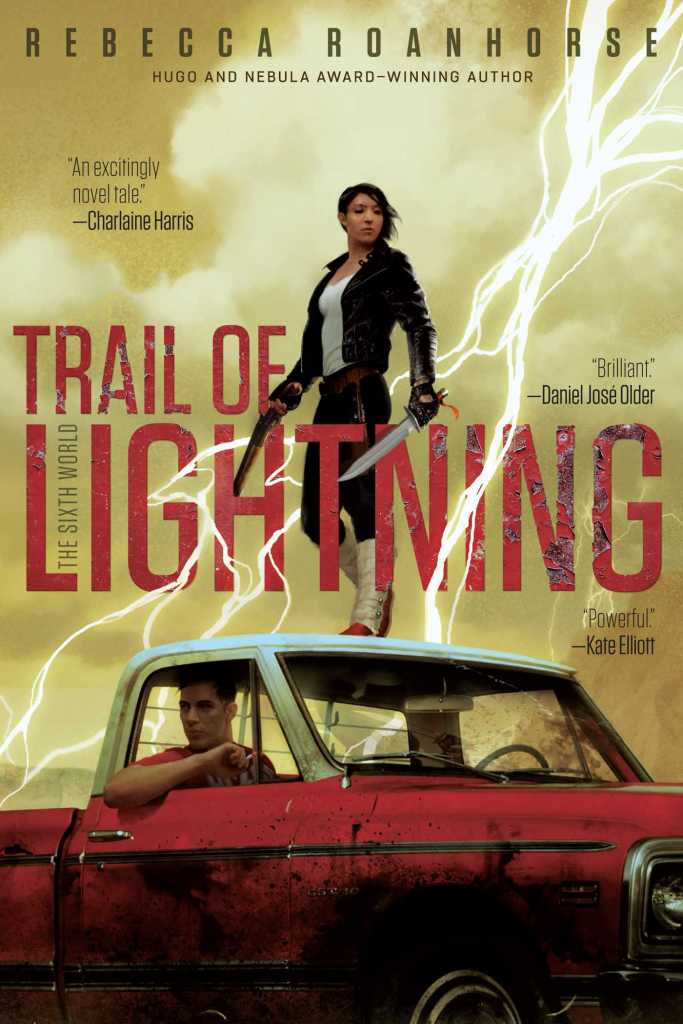
Trail of Lightning—Rebecca Roanhorse. After a great flood, most of the world is underwater, but Dinétah—traditional homeland of the Diné (Navajo) bordered by four sacred mountains—has survived, becoming an independent nation in the post-apocalyptic world. The flood that obliterated most of the world brought back magic with it, and monsters. On Maggie Hoskie’s sixteenth birthday her grandmother is murdered and her home destroyed by a witch. This traumatic event activates her magic powers, inherited from her ancestral clans. Her magic attracts the attention of the demigod monster-slayer Neizghání, who agrees to train her in his craft. Filled with sorrow and a lust for vengeance, Maggie sets out on a quest to defend the people of Dinétah from monsters, by any means necessary.

A bold work of fantasy that blends tropes from the mythic and urban subgenres in a way I’ve ever seen before, Trail of Lightning is unputdownable.

Trigger Warning(s): This book deals frankly with violence and its aftereffects, including PTSD.


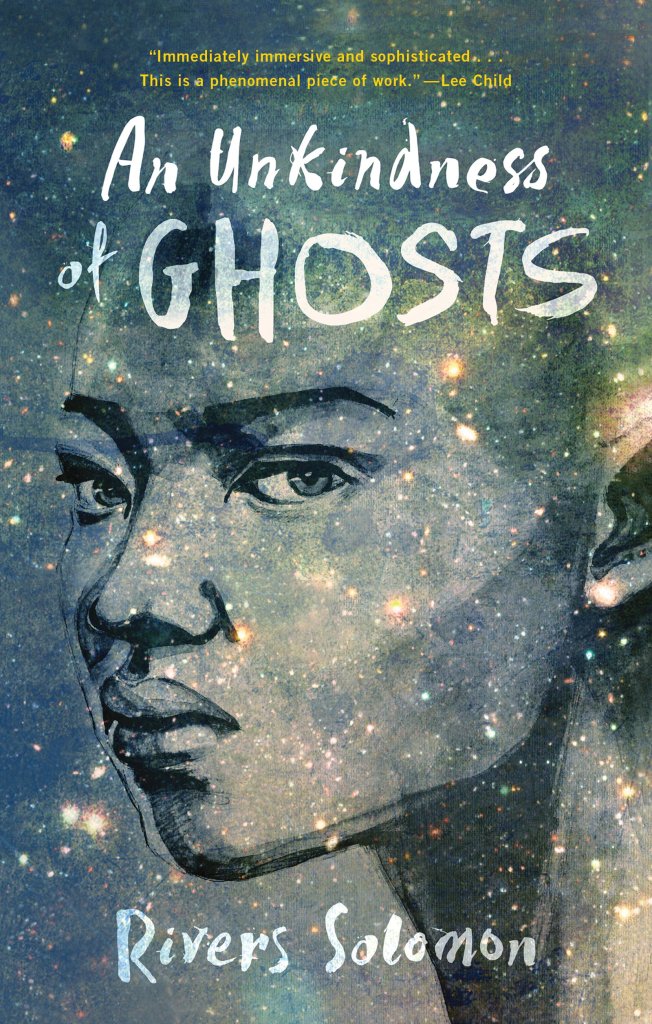
An Unkindness of Ghosts—Rivers Solomon. The survivors of Earth set out many years ago on the colossal spaceship Matilda towards a new planet. In the generations since its launch, society in the Matilda has stratified into a racial caste system reminiscent of an antebellum Southern plantation. Aster Gray is a healer born into a life of slavery on the lower decks. From her secret laboratory in a long abandoned part of the ship, she researches the journals her mother left behind before her death 25 years ago. Hidden in their pages may lie the secret to understanding her own history and how it entwines with the future of this broken ark. Or perhaps all she will find are ghosts.

A bleak, lyrical meditation on intergenerational trauma and claiming life amidst a system of racial oppression, An Unkindness of Ghosts is heavy and rewarding.

Trigger Warning(s): This book examines a system of slavery much like Southern chattel slavery of Black Americans. It contains depictions of the racial and sexual violence and the consequences of said violence.


Assassin’s Apprentice—Robin Hobb. FitzChivalry is a bastard. That’s what his name means: Prince Chivalry’s bastard. Royal bastards are considered dangerous in Buckkeep Castle—left unchecked they could become rivals to the true princes for the throne. Accordingly, royal bastards are never allowed independent lives, but are kept as servants and wards of the crown. They are trained as diplomats, magicians, and even assassins. Assassin’s Apprentice chronicles the childhood and young adulthood of a lonely boy caught up against his will in a political system much bigger than him. He is passed from faux father figure to tutor to liege lord, searching for an identity of his own and people who love him for more than the power he represents.

A tender, character-driven fantasy, Assassin’s Apprentice has the most memorable characters of any book I’ve ever read and a hero you can’t help but root for despite his flaws.

Trigger Warning(s): A dog dies in this book.

Mike Mignola’s Hellboy: A Seed of Creation

For many comic creators, it’s a harsh reality that your series will not even survive a year—for Mike Mignola, his Hellboy series is about to turn 30. Mignola was your average comics jobber before Hellboy: he worked on assignments for Marvel and DC, and he didn’t have much say in what was being created. Effectively a cog in the overbearing corporate machine that is mainstream comics, Mignola knew at his soul that while he worked on superhero books such as Batman: Gotham by Gaslight, superheroes weren’t quite his thing. He famously hated drawing cars, wasn’t a huge fan of winding city landscapes, and would occasionally receive hate mail from dedicated fans lambasting him for ruining their favorite heroes. Faced with an uncertain future in comics, Mignola did what he had to do and persevered—and drew for fun. One day, he drew Hellboy; thus, everything changed with a few strokes of his pencil.

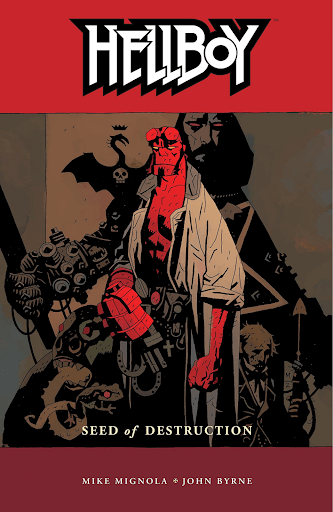
Transfixed on his rough sketch of a brutish looking demon with horns, Mignola fleshed Hellboy out in the early ’90s until his character landed a book at Dark Horse 1994, the aptly titled Hellboy: Seed of Destruction. While some Hellboy stories stand on their own, the aforementioned book kickstarted Mignola’s epic, winding tale showing his hero facing trials, tribulations, and the truth of his own destiny. In Seed of Destruction, Hellboy is established as having been summoned by the Nazis during World War II, aided by the famous Russian wizard, Rasputin. Rasputin explains to Hellboy that his destiny lies in the fact that he alone holds the power to control an immensely powerful deity set to bring about Ragnarok—the destruction of the entire world. Not only is this the reason for his entire existence, but it’s one that Rasputin makes clear he has absolutely no say in.

Hellboy is accompanied by his friends Abe Sapien and Elizabeth Sherman, the former being an intelligent, but otherwise ironically named fish-man who has a penchant for adventure. Elizabeth on the other hand, is a much more tragic character who is host to a destructive, fiery entity that wants nothing more than to be unleashed at any moment—an action that would devastate any and all life in their immediate area. Both her and Hellboy are pinned as tragic characters destined to do nothing more but destroy everything they hold dear. For Abe, his position as an investigator of paranormal phenomena is all and well, but his name was a joke, as he was found with a note sharing the same date as the assassination of Abraham Lincoln. For Hellboy, these things are commented on in a brutish, blunt fashion, yet still pertaining to a sense of humanity. He expresses discontent by noting that Elizabeth’s file at the Bureau for Paranormal Research and Defense—an organization they all work for—reads as if it isn’t about a human. They face off against Rasputin not as a team, but as a broken group of friends who are separated from each other in Hellboy’s ultimate time of need. As Rasputin recounts how he summoned Hellboy for the Nazis and then waited about 50 years for the culmination of his plans, he offers Hellboy a chance to join him knowingly—of his own free will—so that he can fulfill his destiny. Hellboy vehemently refuses, and Rasputin’s world ending spell is brought to a stop. Mignola isn’t reinventing the wheel with his plot structure here, it’s no surprise that Hellboy is victorious, but his refusal to be the destructor of the world comes at a cost: finally killing Rasputin, the only man who knows who he really is, and what power lies within him and his striking red right hand. He accepts this, saving the world and damning himself, as the story ends with him slowly starting on the path of self-discovery. It’s a powerful origin story, one that paints Hellboy in a sympathetic red light, and frames him as a tragic hero.

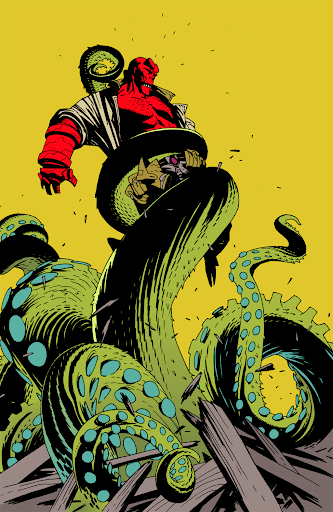
Image taken from Hellboy: Seed of Destruction #2 (pg. 24)

It’s not my place to comment on just how poignant Hellboy’s character is and how rich his universe has become over the last 27 years—that is painfully apparent today. What may not be so apparent is why Mignola’s story has such a faithful following. In the grand world of comic books, many stories come and go without ever really contributing to the status of American literature. Mignola’s work is different, as seen in his striking art-style where he happens to break one of the most basic rules of traditional art: negative space. His use of negative space, and his philosophy of drawing less, not more may have been controversial when he was working on Batman, but now it’s the source of his genius. Hellboy is a comic that originally was built in that use of negative space, a space that exists outside of rules and regulations, where artists can truly thrive and find freedom. Though some artists may find that they really don’t understand what makes the use of negative space so special, the ones that have found the will to choose for themselves and utilize it may very well be all the better for it. That will to choose for yourself is what makes Mignola’s Hellboy: Seed of Destruction stand above the plethora of mediocre comics—it’s what his protagonist does in every breath he draws for himself, not as the seed of destruction. Faced with insurmountable odds, both Mignola and his titular character were given a destiny they’d rather not have fulfilled. For Mignola, he was destined to never have made it big in comics, for Hellboy, well, you’ve already read all about that. Their response to destiny is what makes them human, what makes them still lovable today.  Their response to destiny can be found in the 27 years’ worth of Hellboy comics, and defying destiny has never looked so cool.